Department Of Civil Engineering

Empowering the next generation of technologists through innovative research, practical learning, and strong industry collaborations.

About the Department

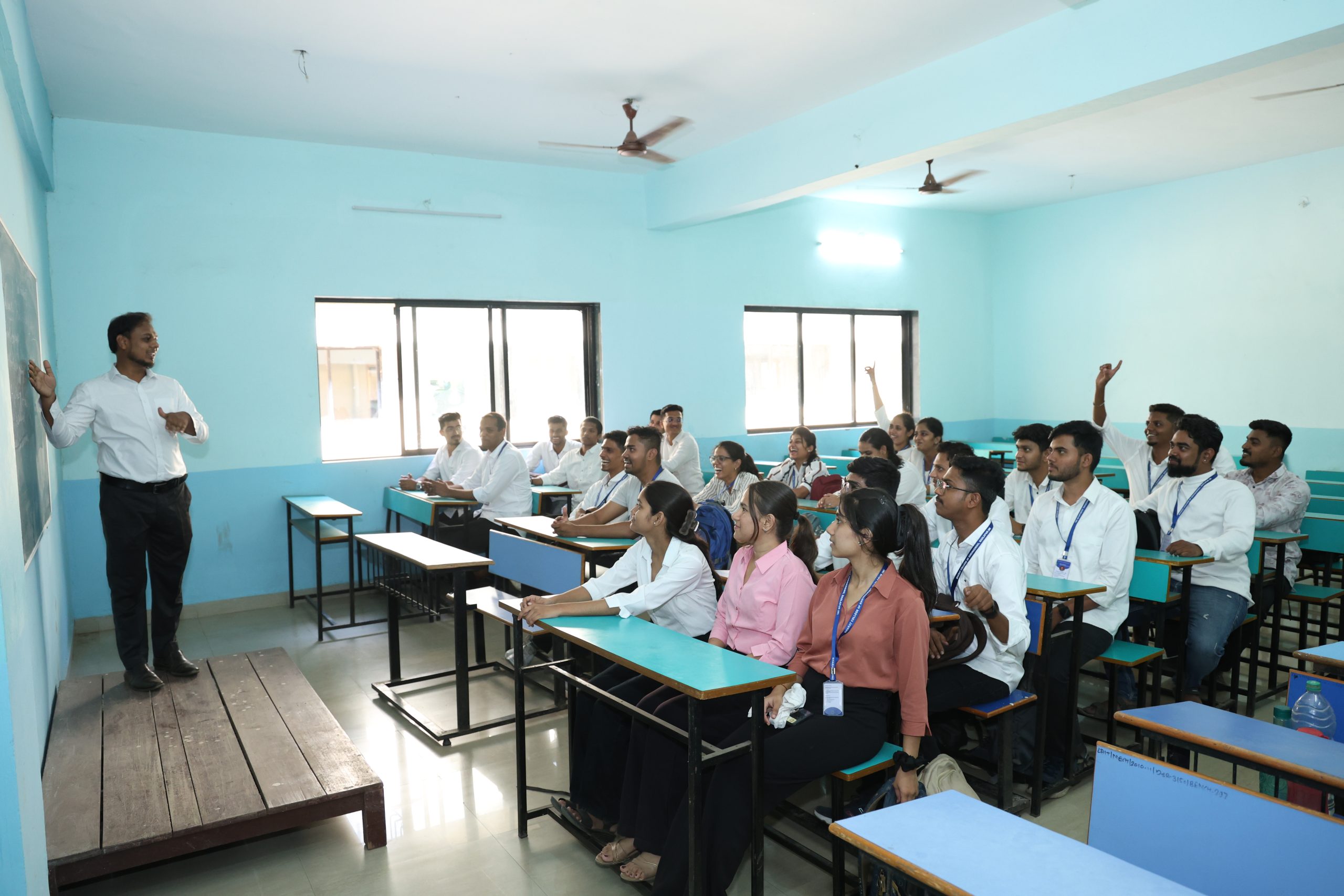
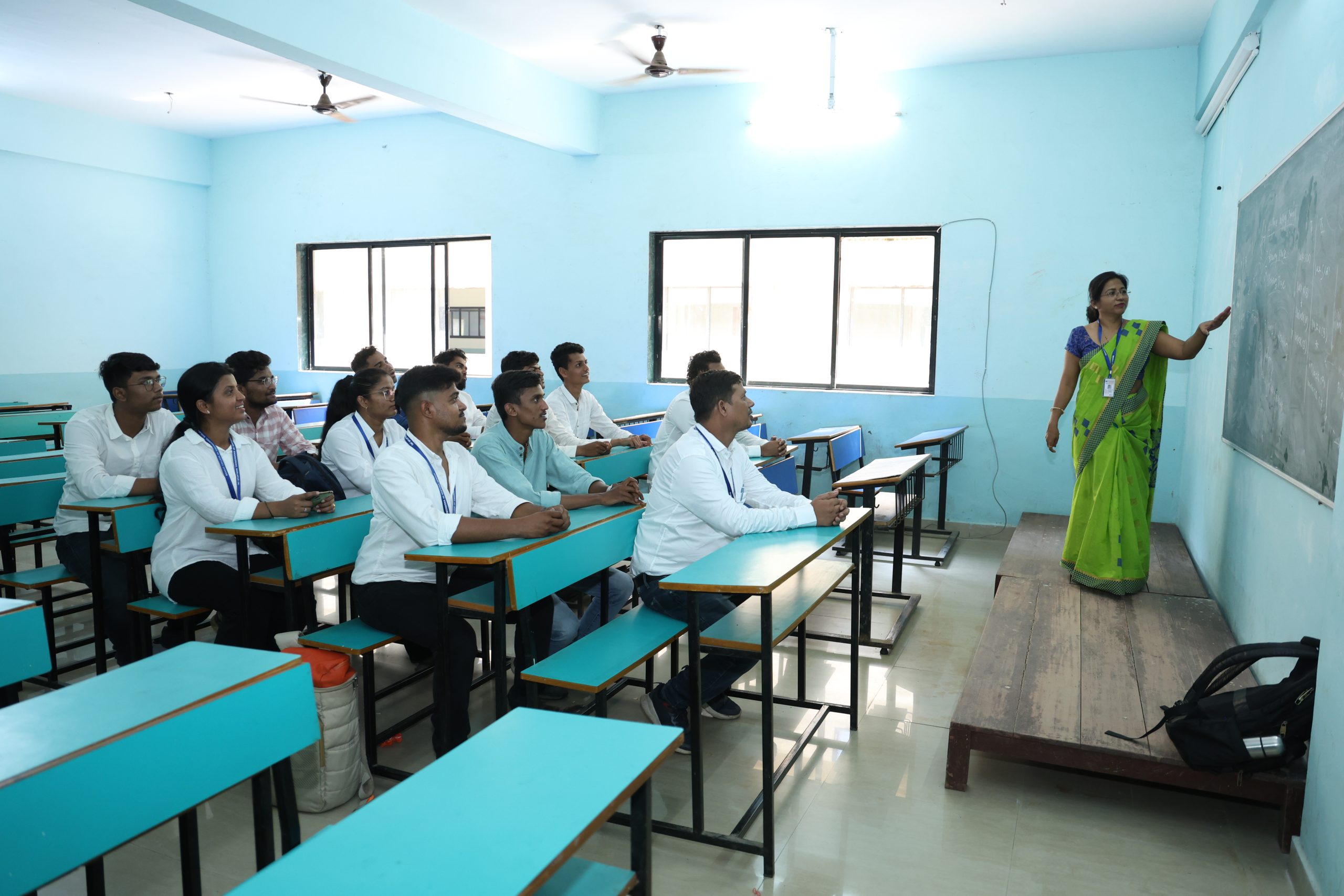
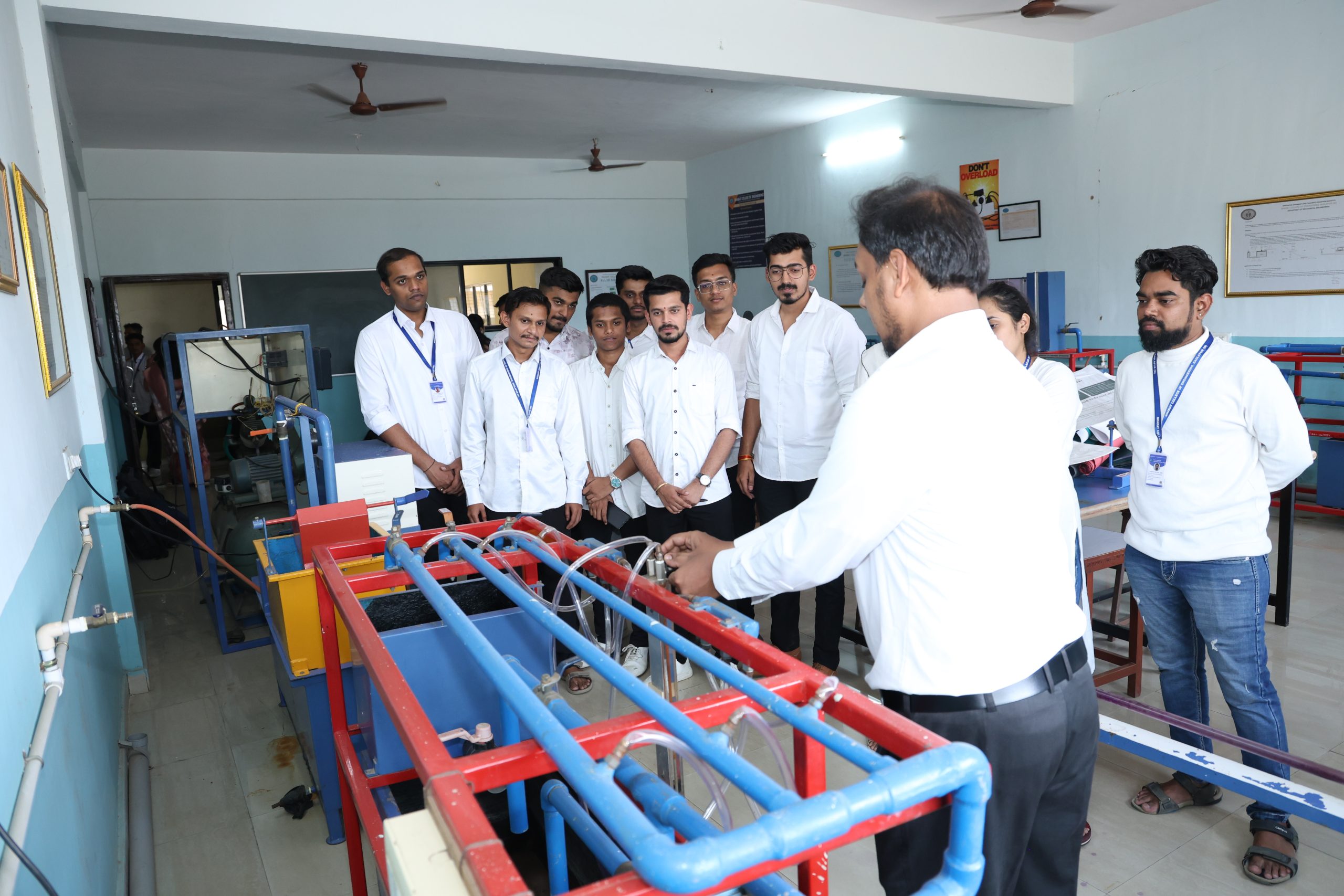
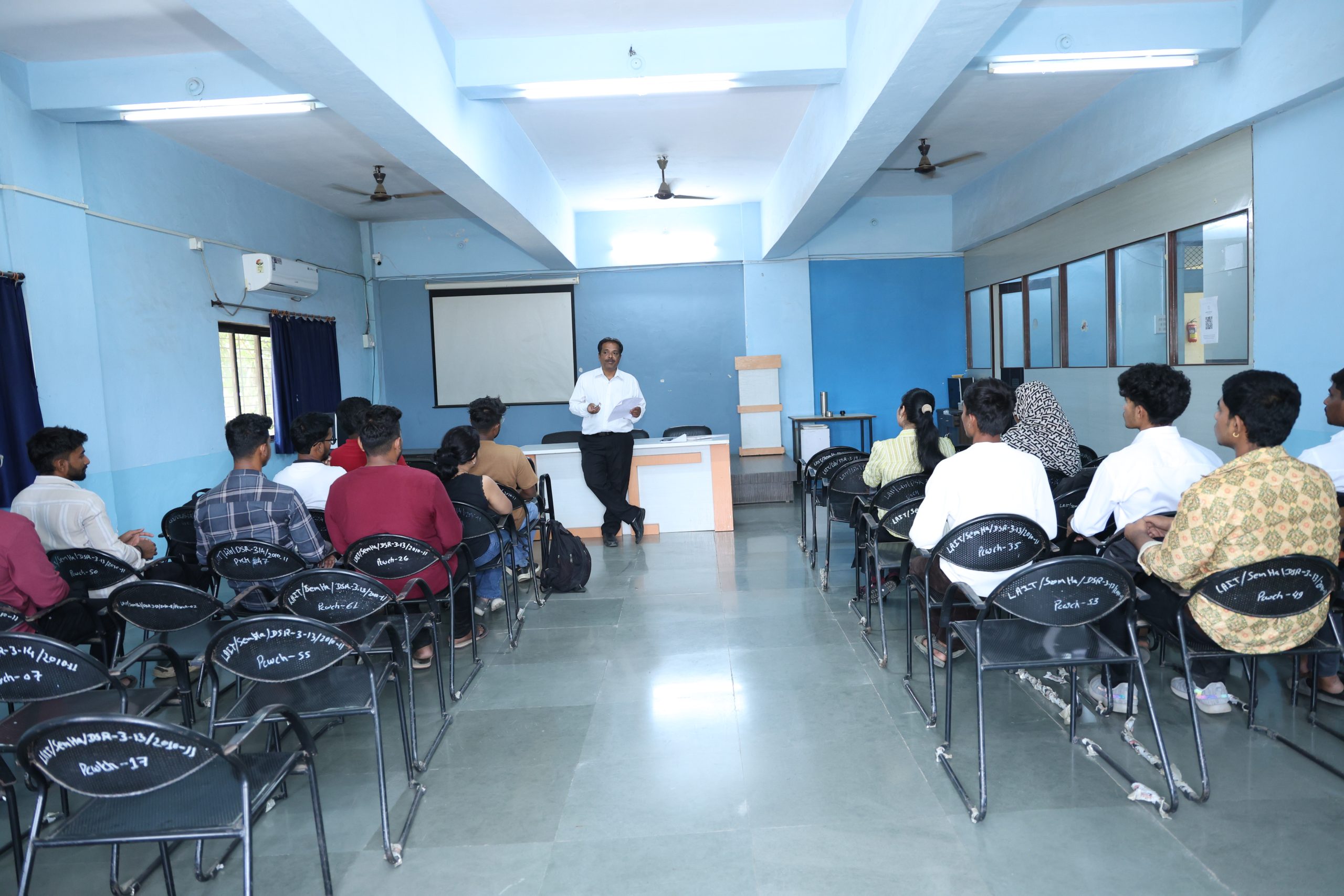
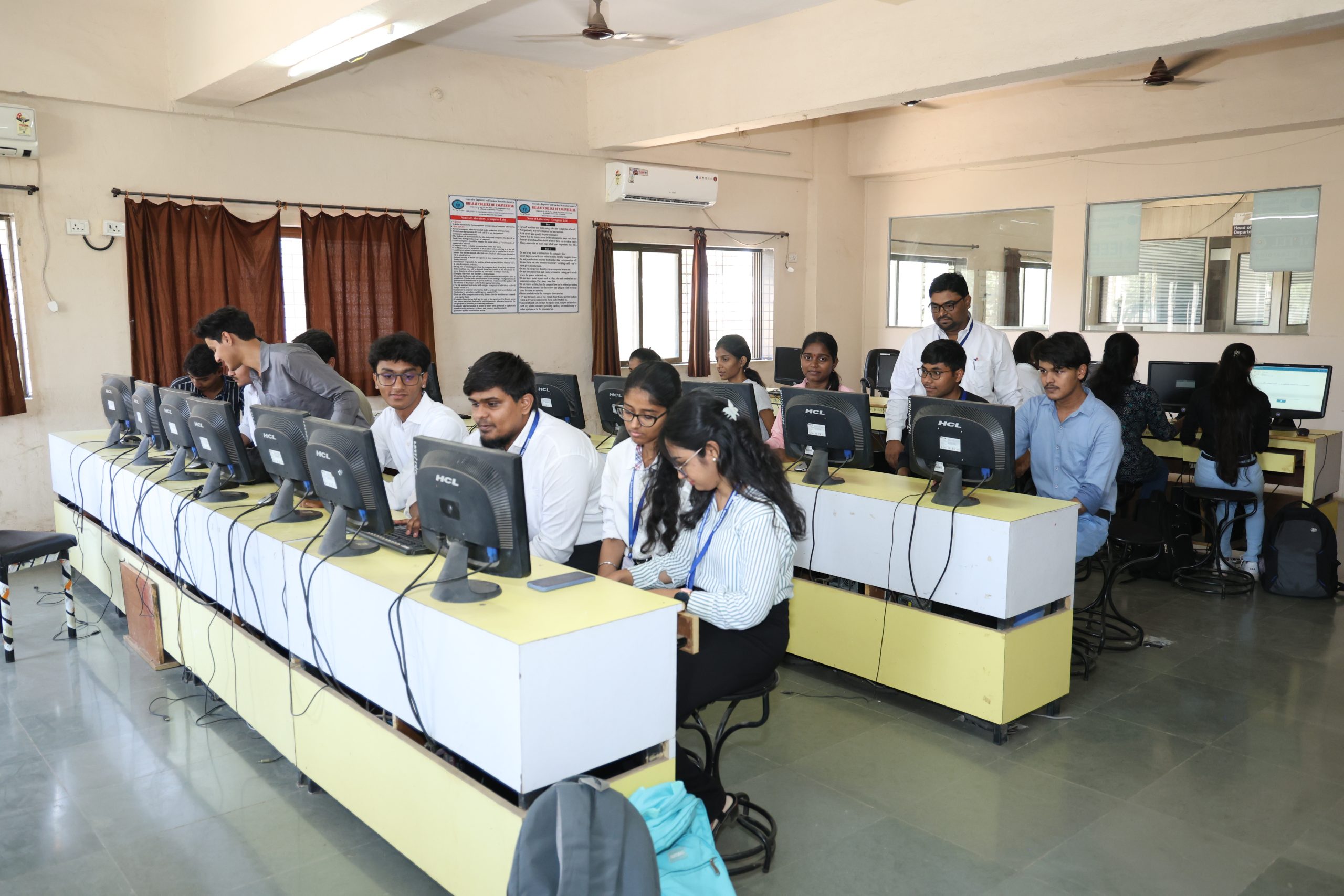
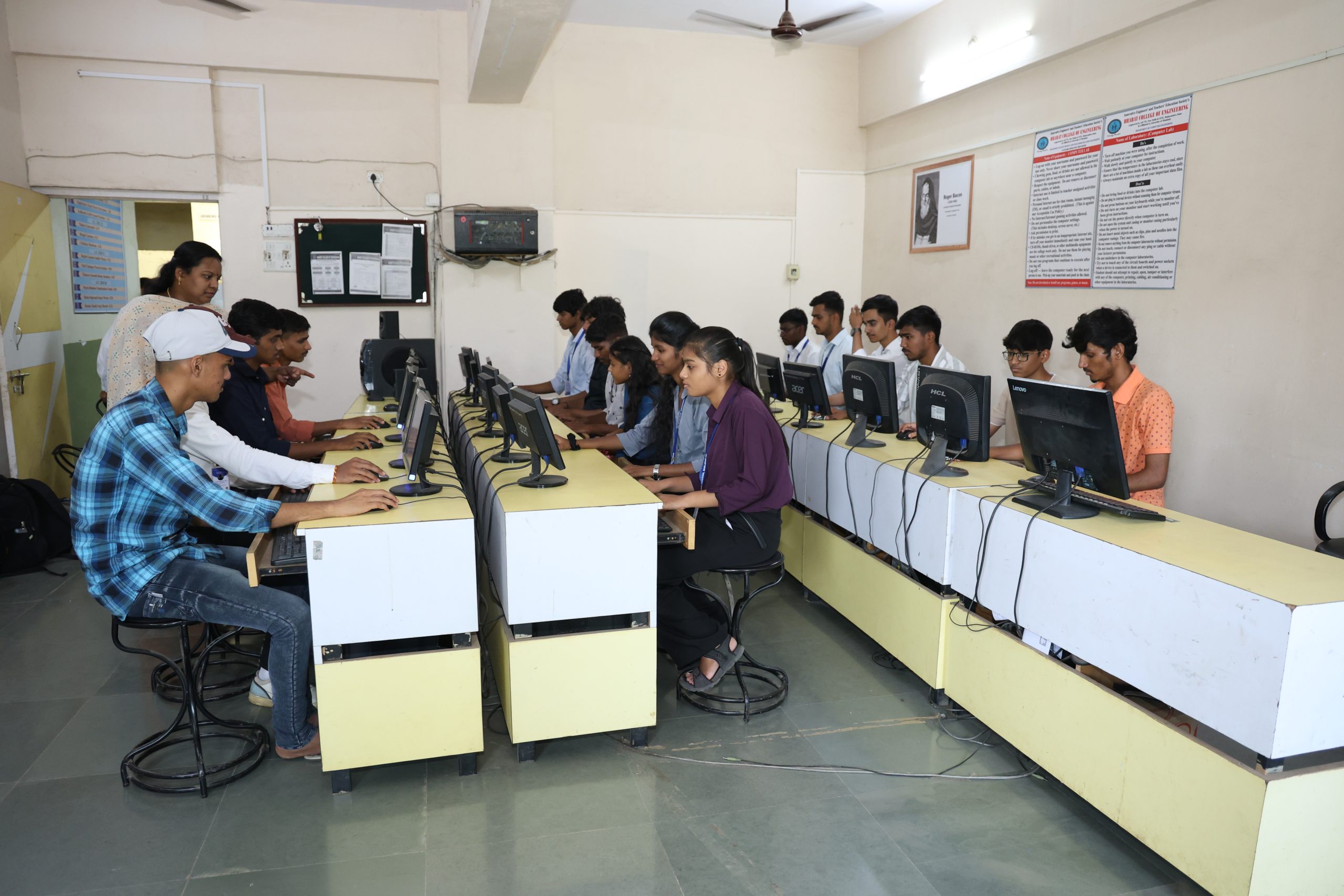
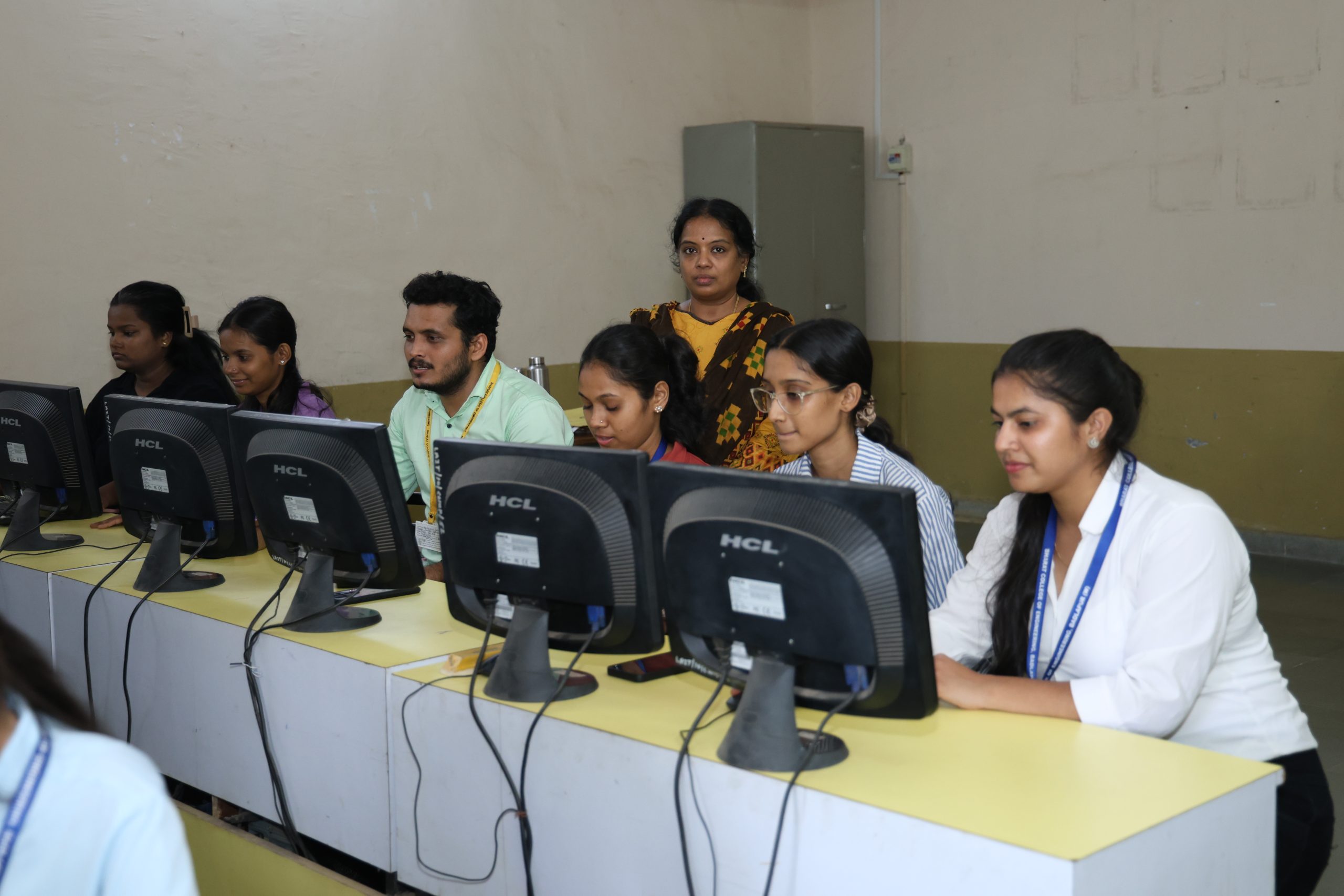
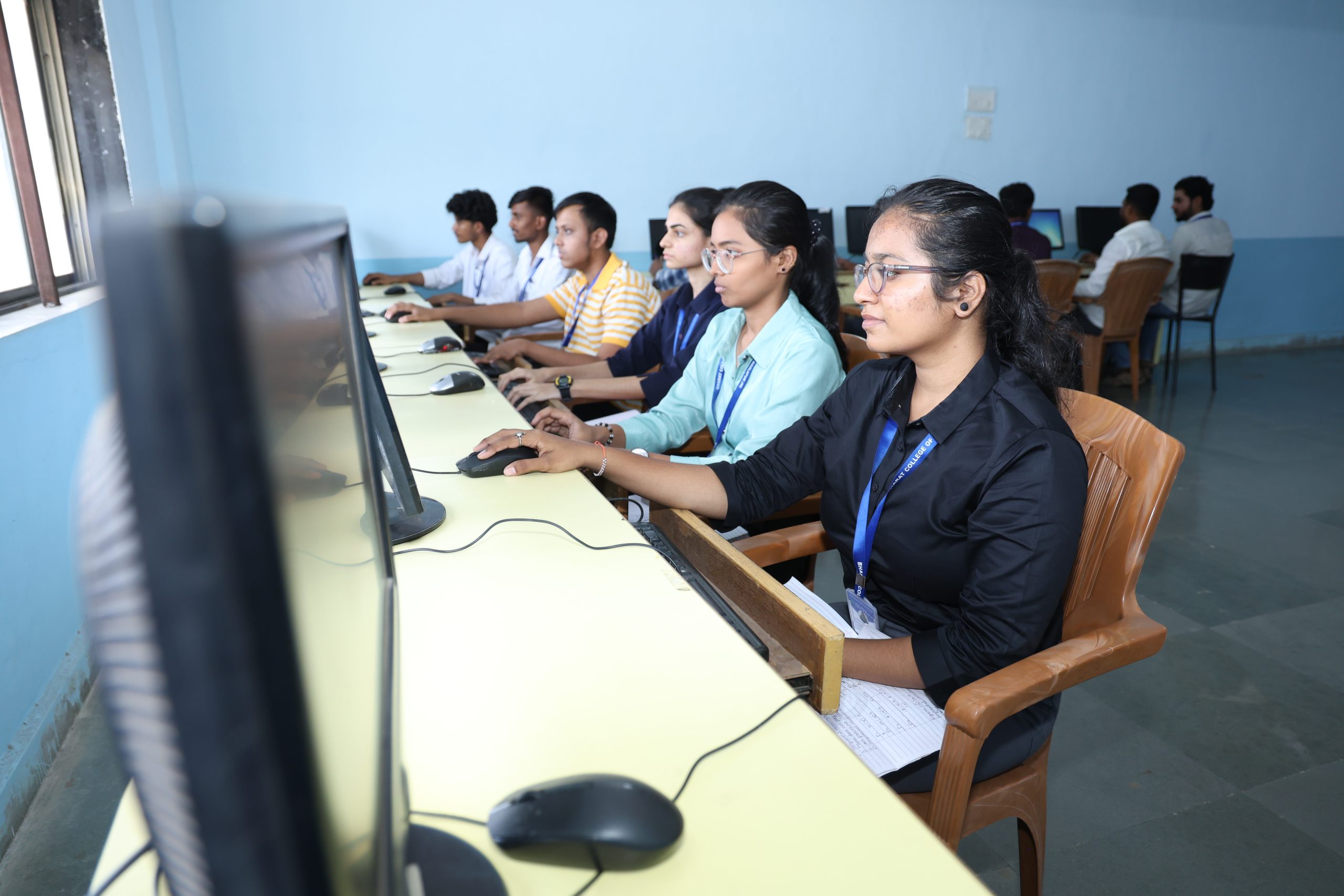
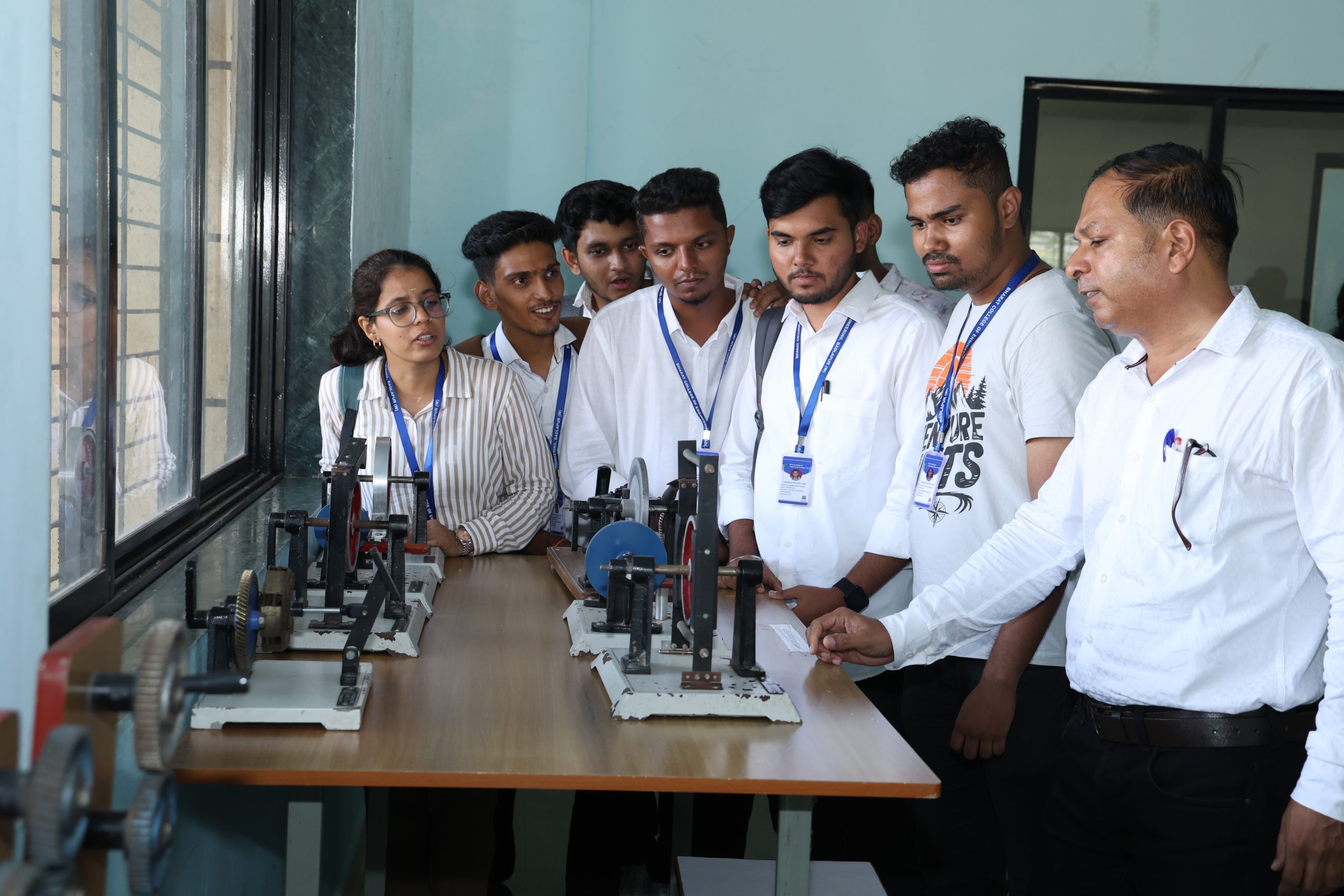
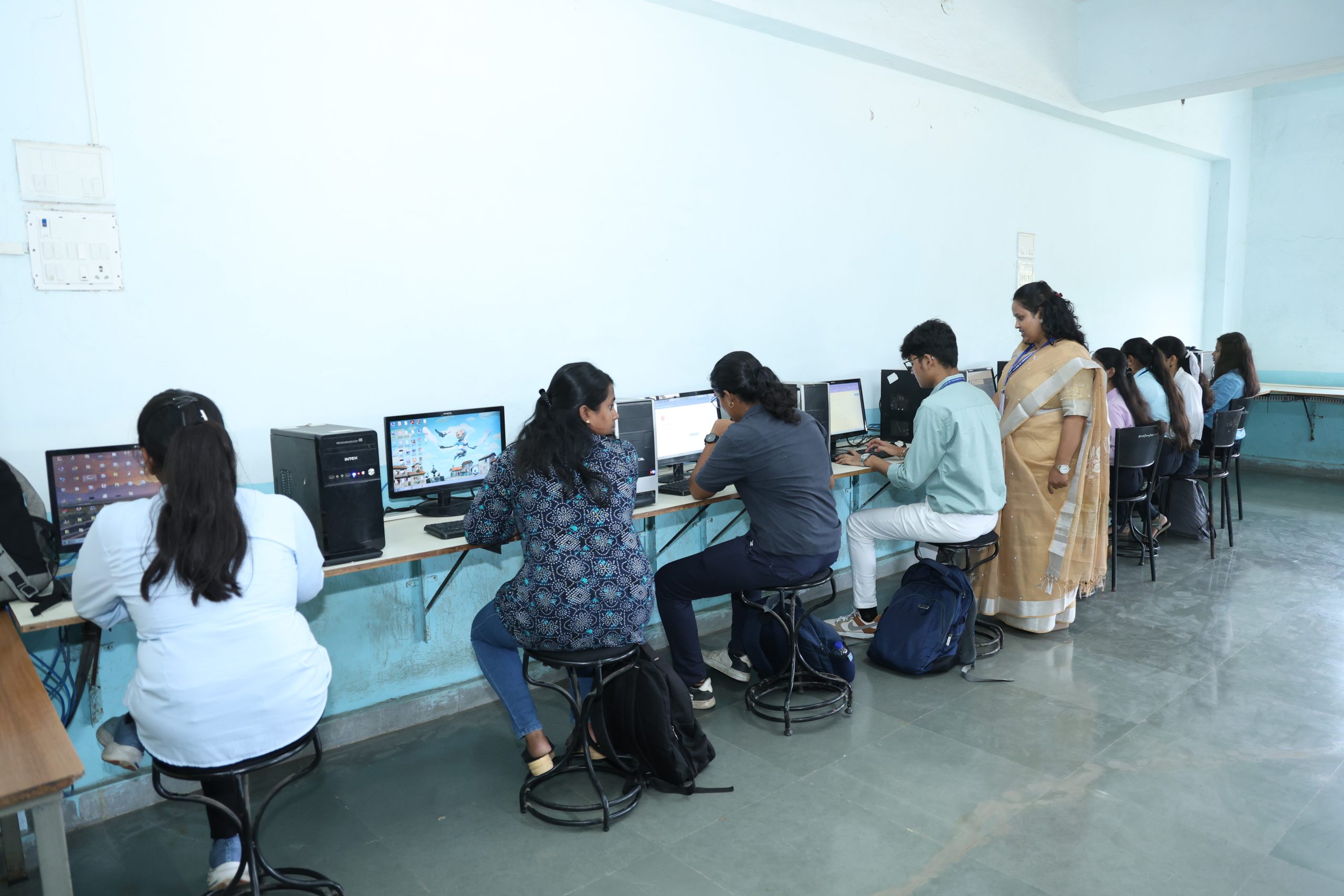
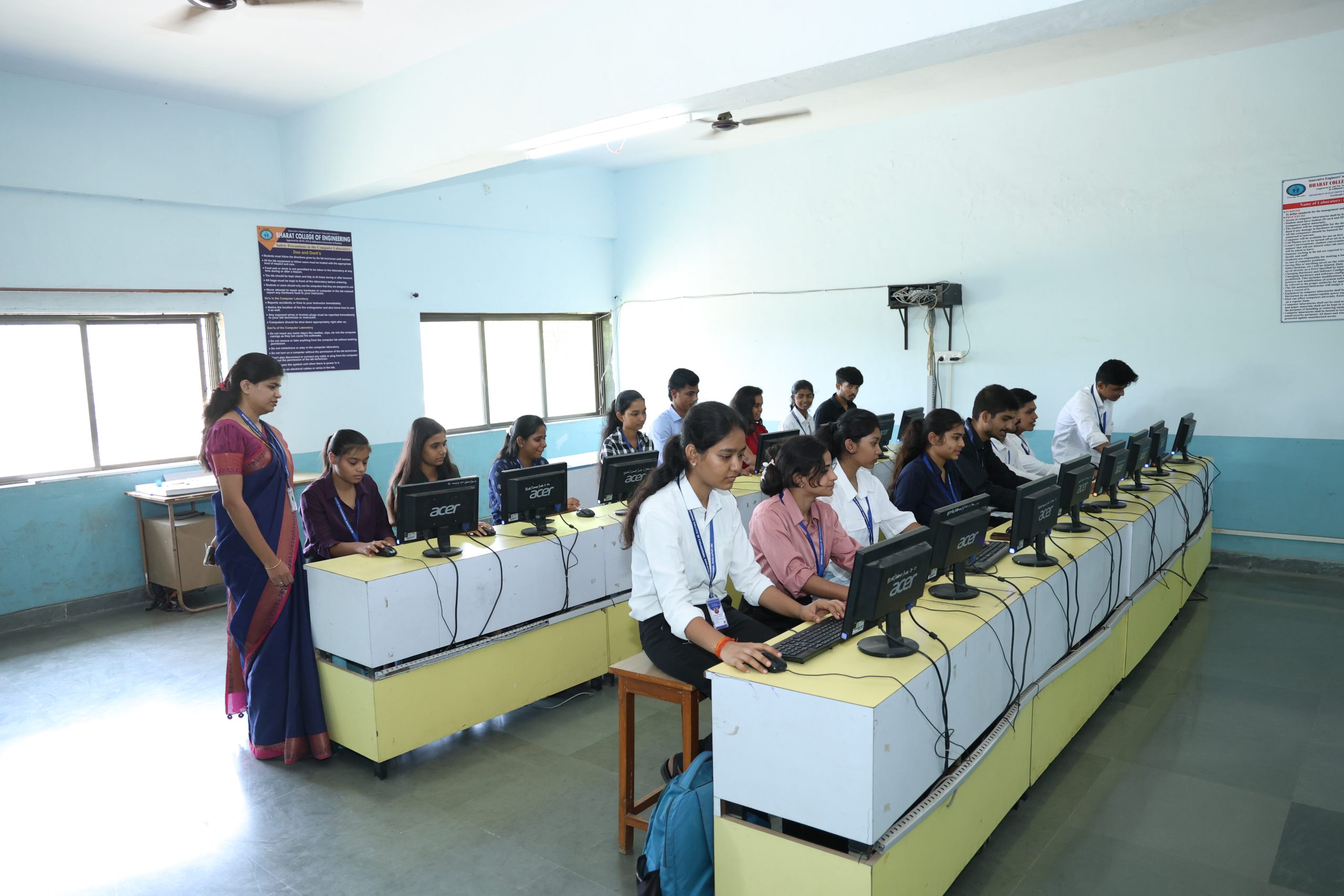
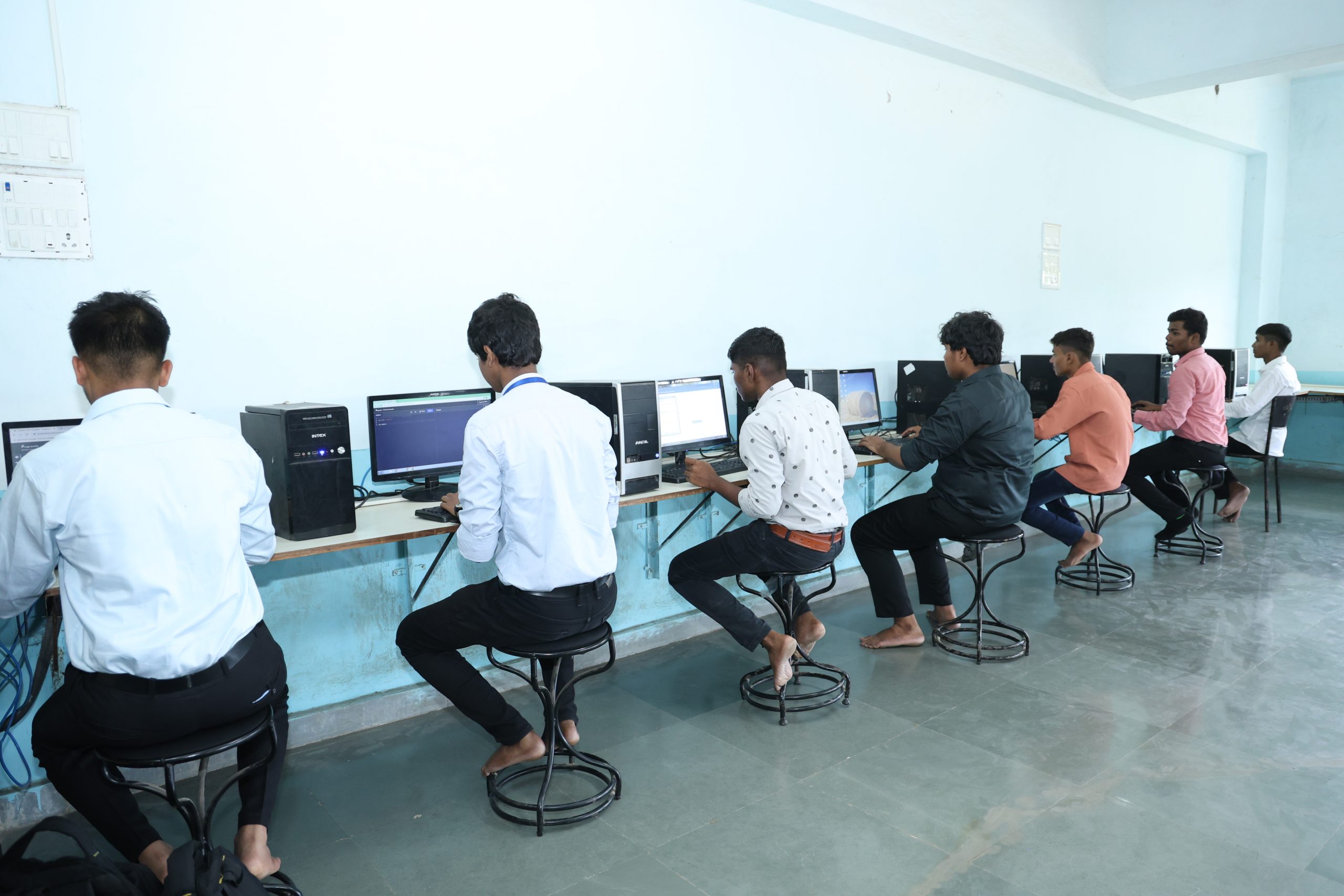
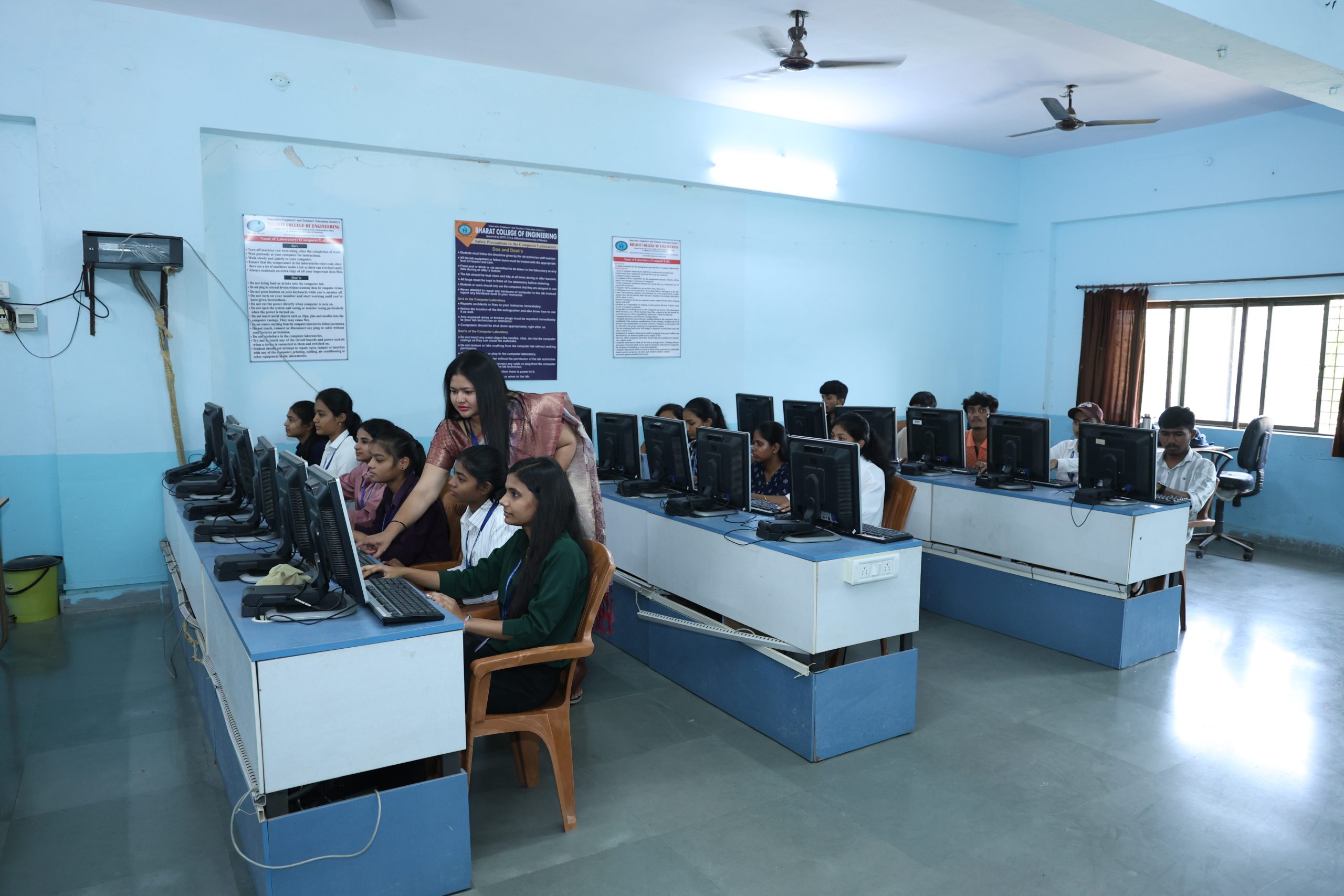
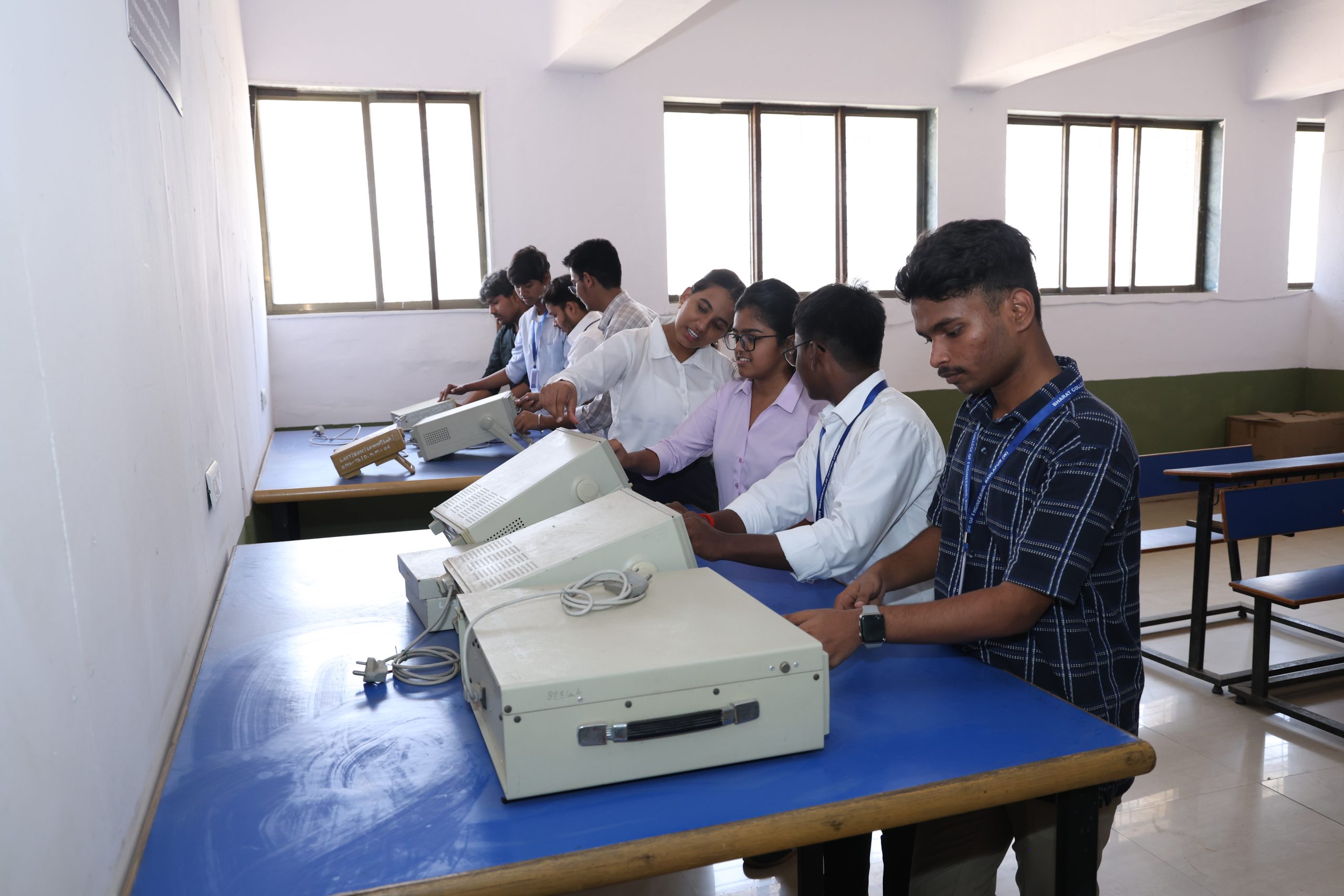
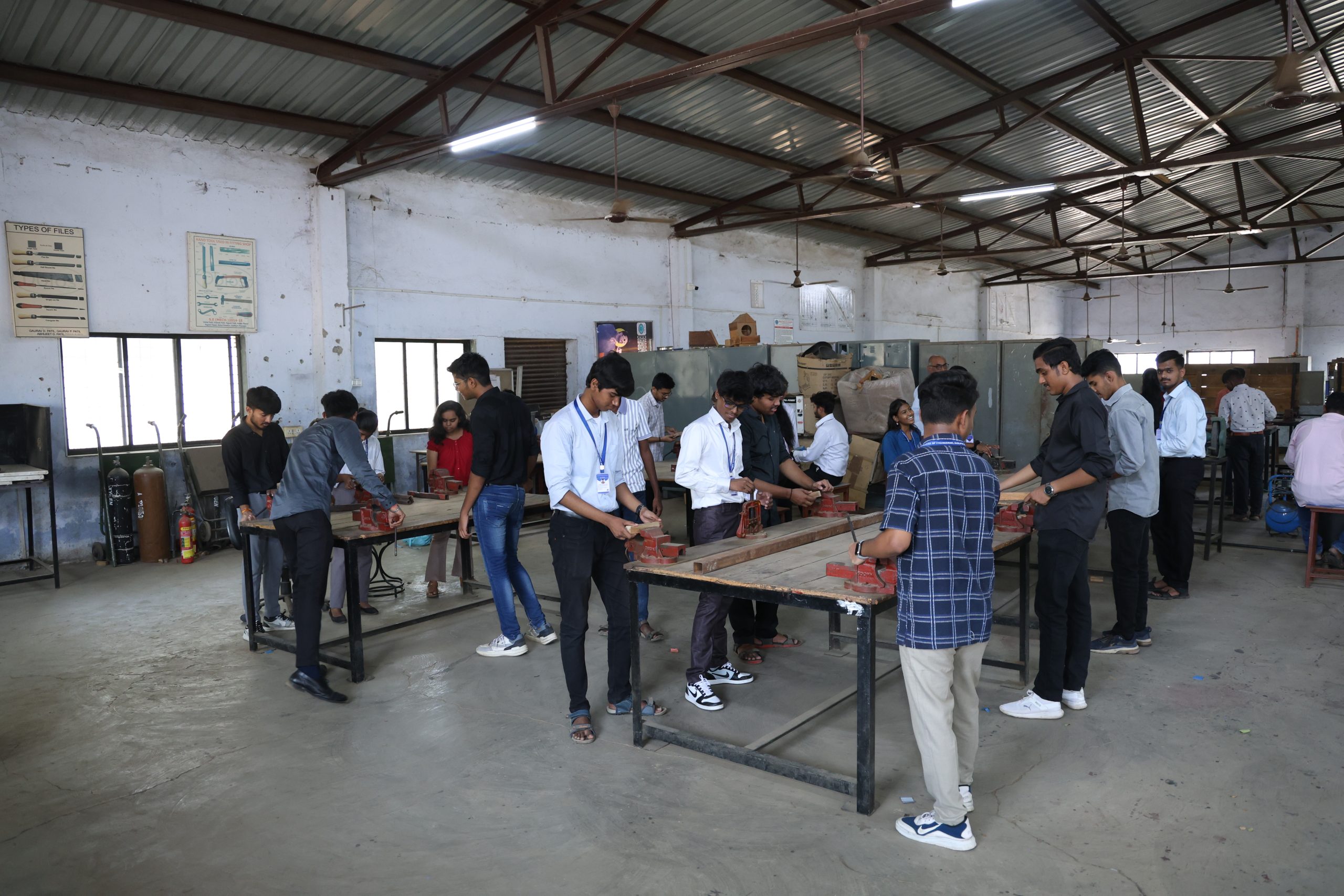
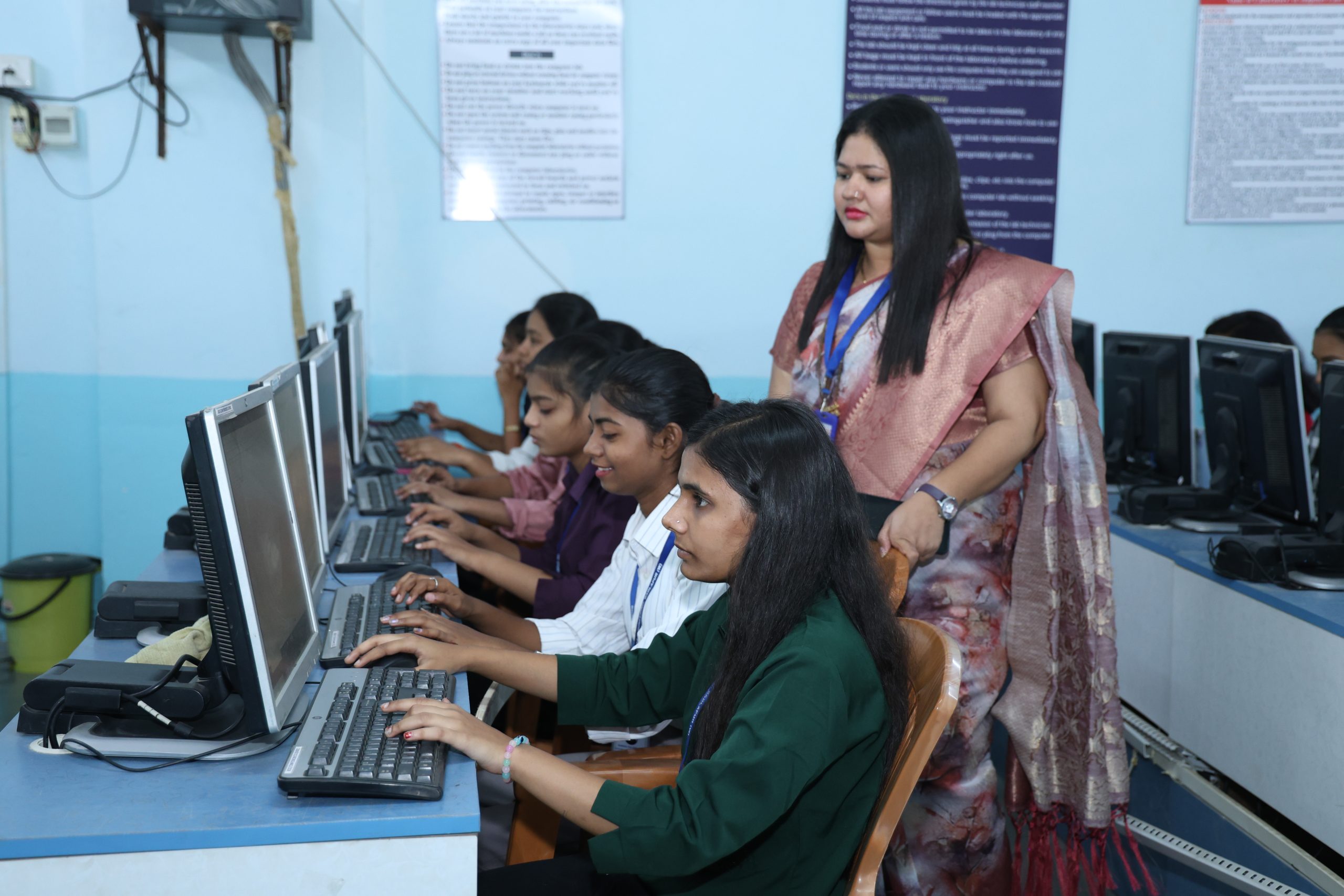
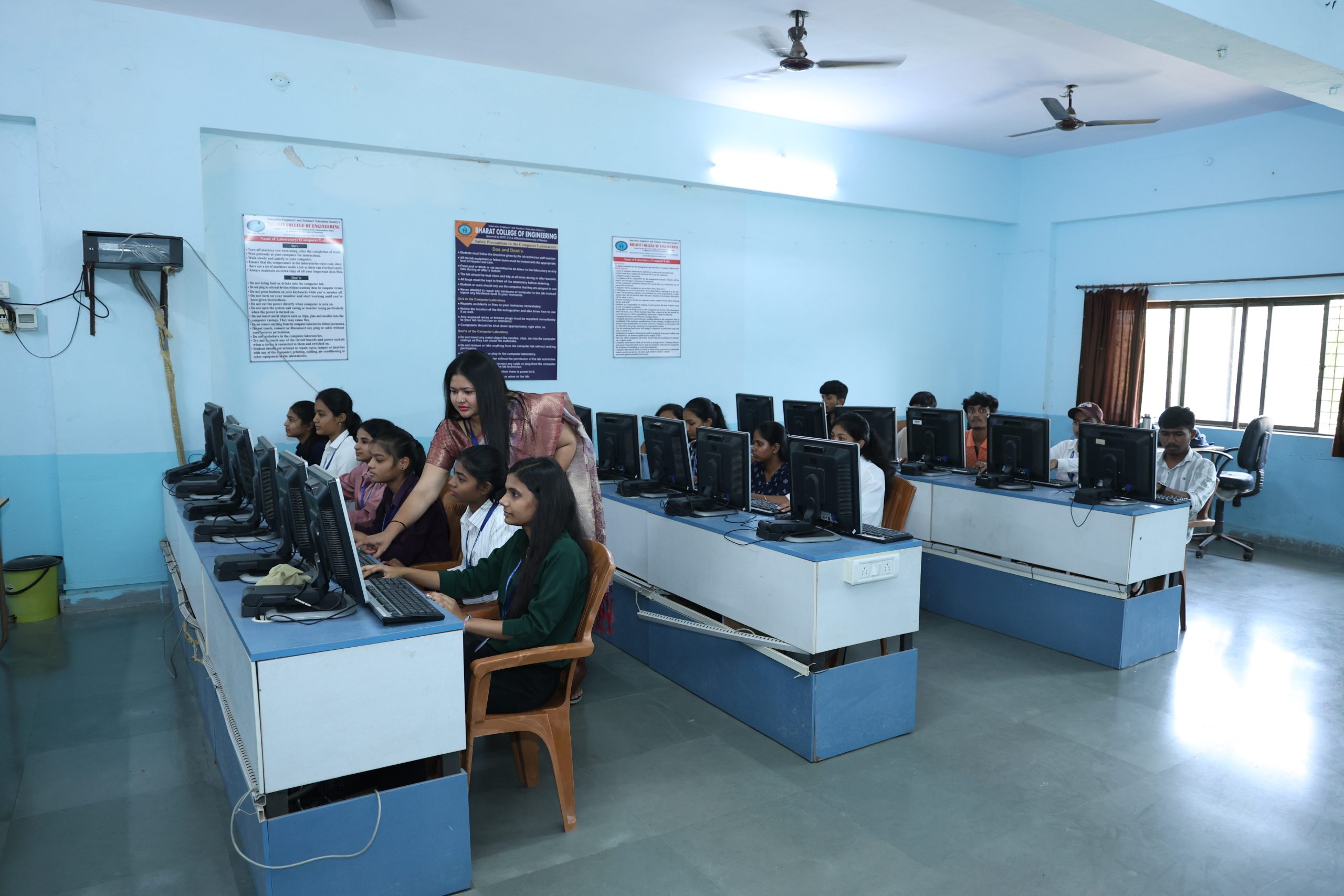
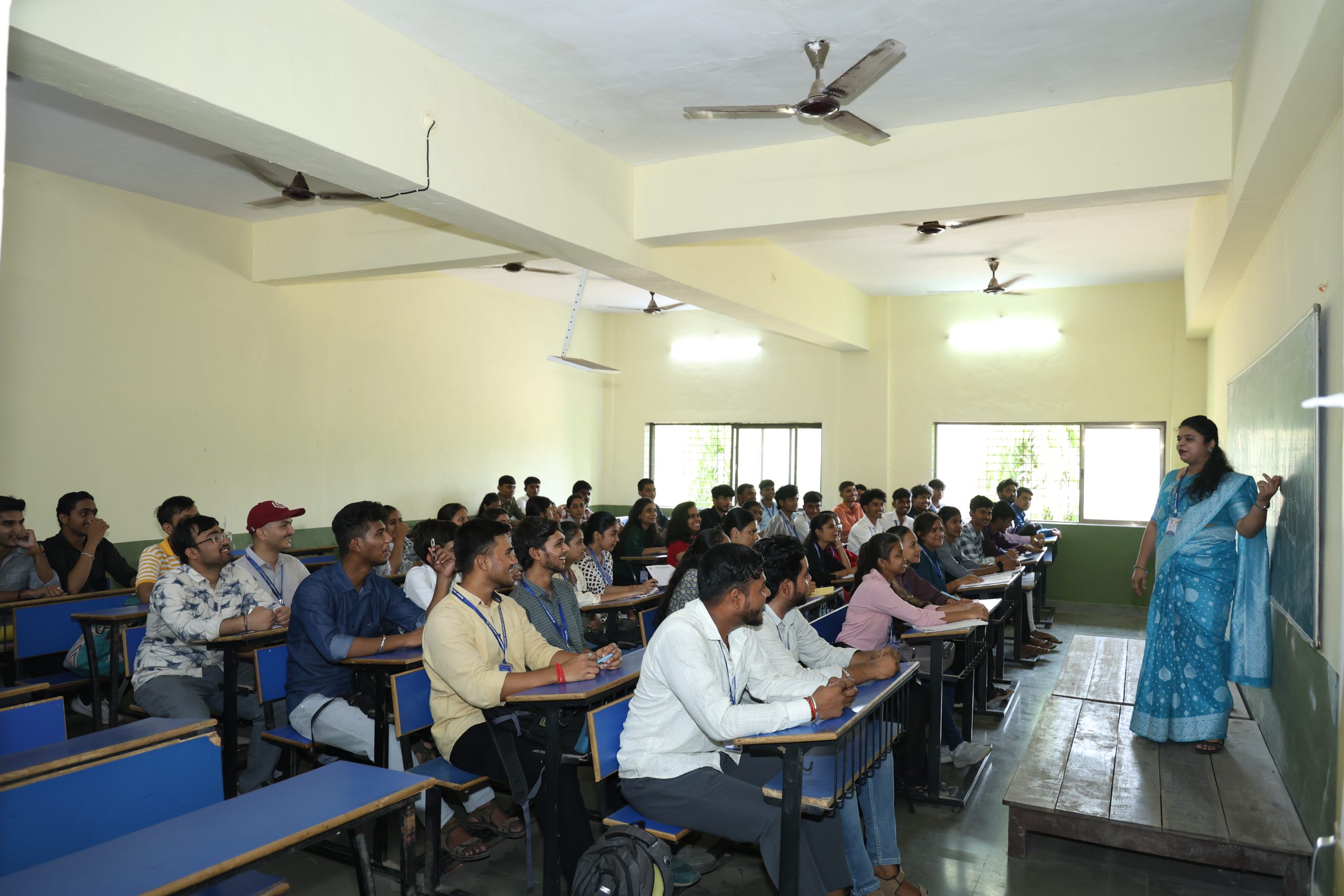
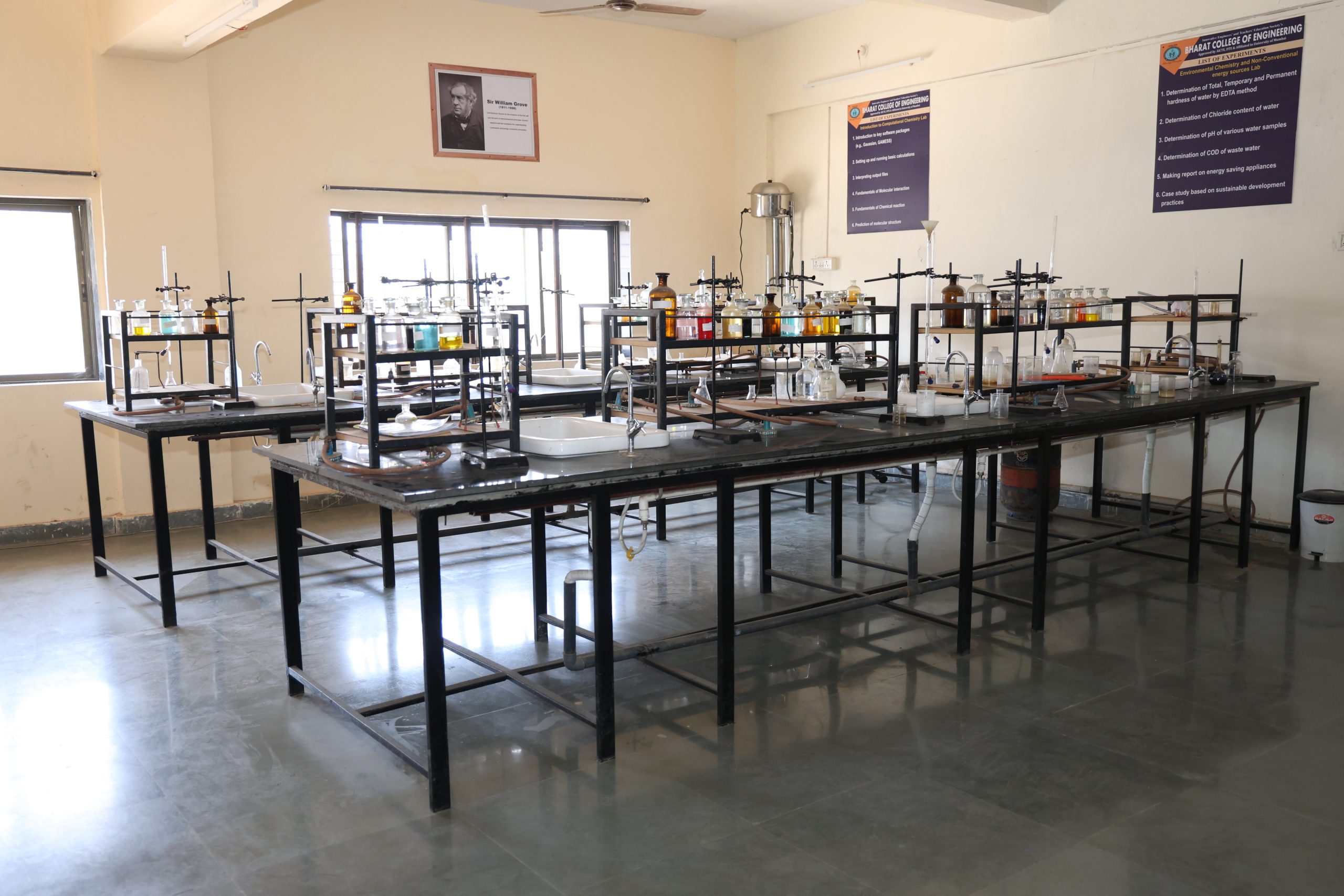
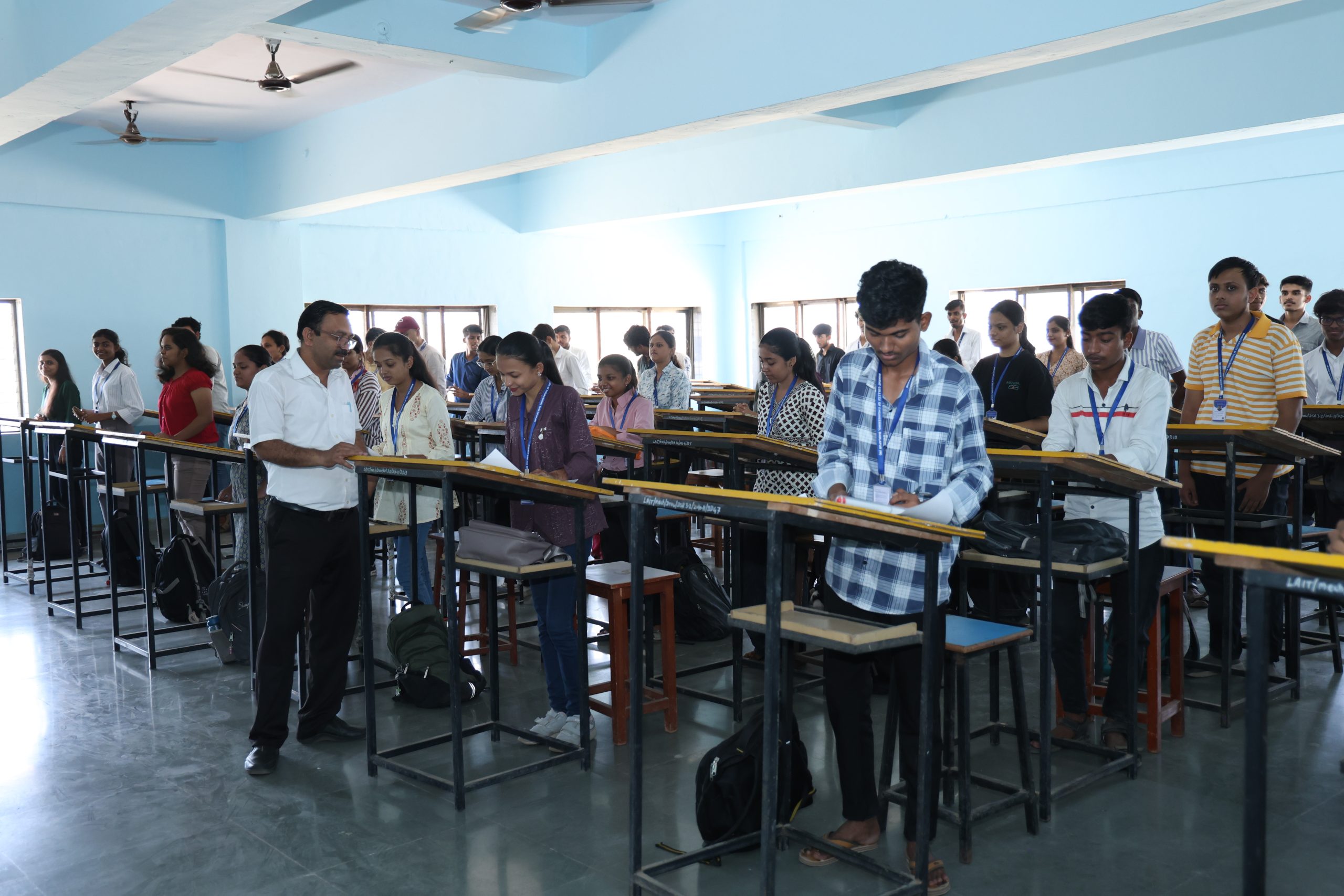
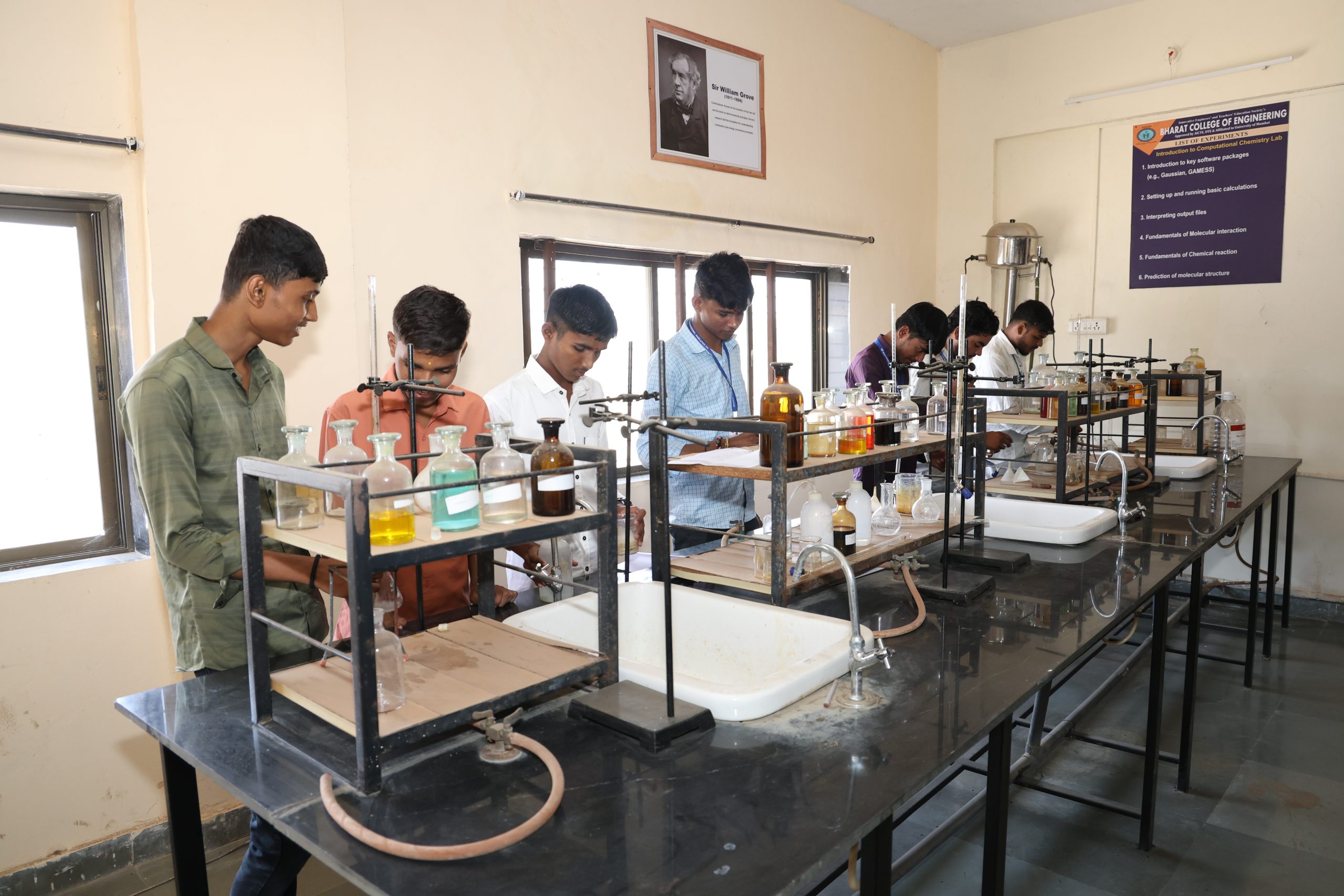
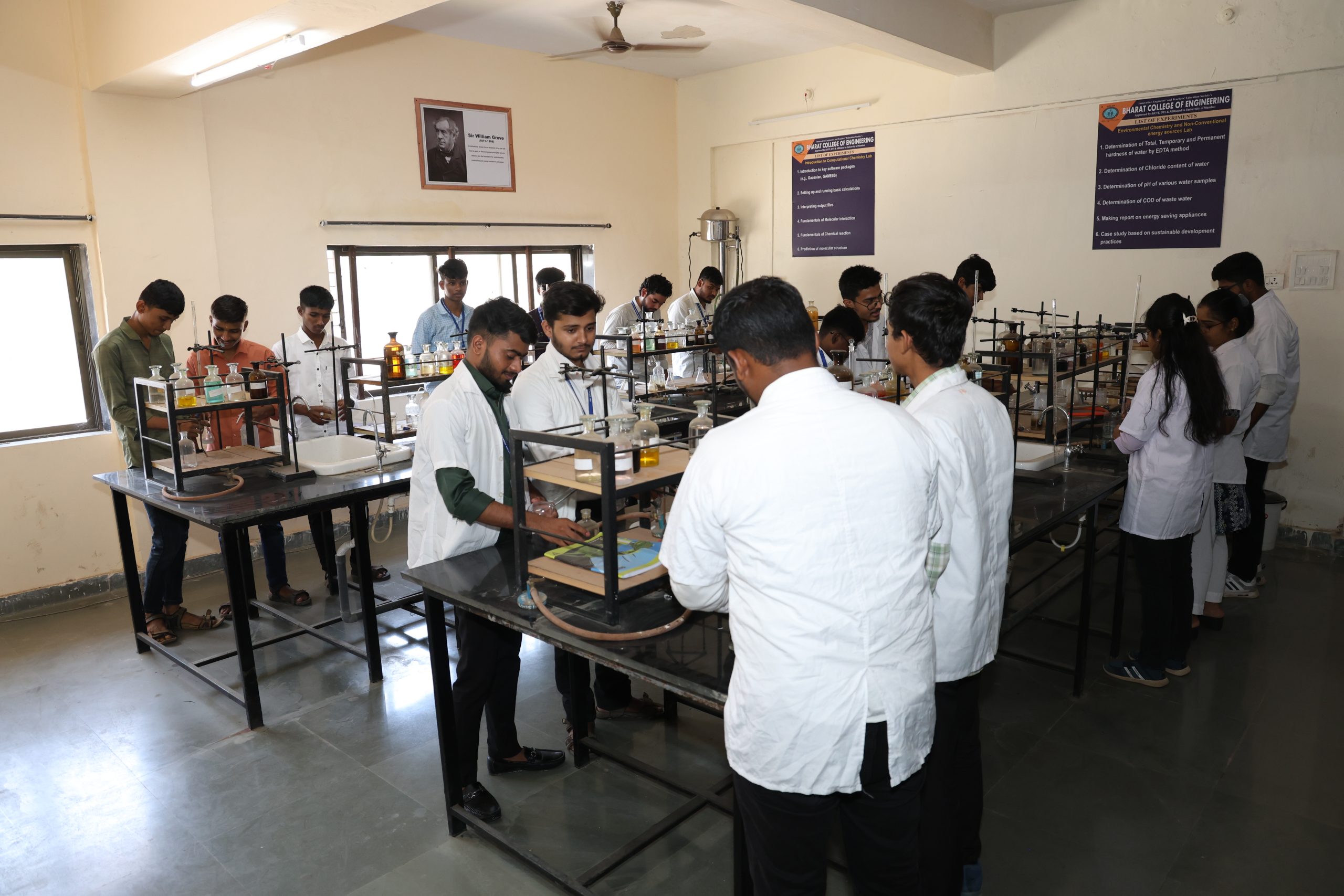
Welcome to the Civil Department at Bharat College of Engineering, where we shape the future of civil engineering professionals. Our department offers a comprehensive curriculum that encompasses structural engineering, transportation engineering, environmental engineering, and geotechnical engineering. Through a perfect blend of theory and practical applications, our students gain a deep understanding of the principles and practices of civil engineering. With well-equipped laboratories and experienced faculty, we provide hands-on learning experiences and industry-relevant skills. Graduates of our Civil Department are well-prepared for diverse career opportunities in construction, infrastructure development, urban planning, and environmental sustainability. Join us to make a lasting impact on the world through the field of civil engineering.

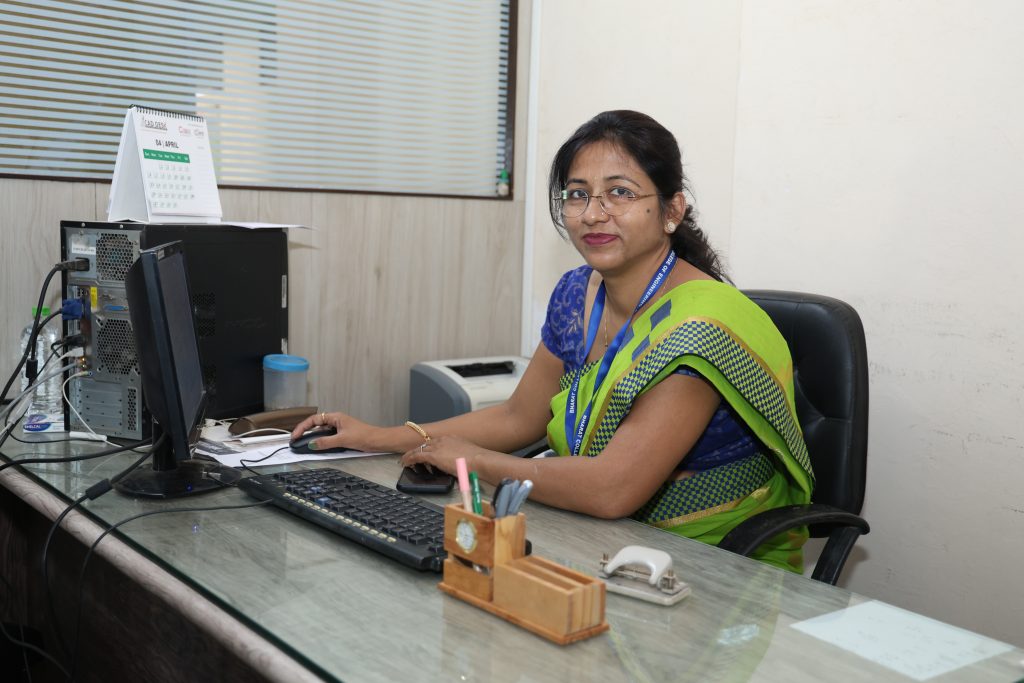
Prof. Minal kitey

Head of the Civil Engineering Department

"Welcome to the esteemed Department of Civil Engineering at ...."

🎯

Our Vision

Our vision is to provide an ambient under this program which will foster the students so that these students can take effective participation in building and development of our nation.

🚀

Our Mission

Our aim is to develop a learning process which will enable students to become strong in their fundamental concepts. To create an atmosphere which will develop students as a professional, ethical and wise civilians who eventually add to nation’s glory and wealth.

Objective & Outcome

Objectives: The objective of the Civil Department at Bharat College of Engineering is to provide students with a comprehensive education in civil engineering. Our curriculum covers structural engineering, transportation engineering, environmental engineering, and geotechnical engineering. We aim to develop graduates who can contribute to sustainable infrastructure development and address society’s challenges.

PROGRAM OUTCOMES (PO’s)

Sr.NoPO CodeProgram Outcomes
1PO.1

Engineering knowledge: Apply the knowledge of mathematics, science, engineering fundamentals, and an engineering specialization to the solution of complex engineering problems.

2PO.2

Problem analysis: Identify, formulate, review research literature, and analyze complex engineering problems reaching substantiated conclusions using first principles of mathematics, natural sciences, and engineering sciences.

3PO.3

Design/development of solutions: Design solutions for complex engineering problems and design system components or processes that meet the specified needs with appropriate consideration for the public health and safety, and the cultural, societal, and environmental considerations.

4PO.4

Conduct investigations of complex problems: Use research-based knowledge and research methods including design of experiments, analysis and interpretation of data, and synthesis of the information to provide valid conclusions.

5PO.5

Modern tool usage: Create, select, and apply appropriate techniques, resources, and modern engineering and IT tools including prediction and modeling to complex engineering activities with an understanding of the limitations.

6PO.6

The engineer and society: Apply reasoning informed by the contextual knowledge to assess societal, health, safety, legal and cultural issues and the consequent responsibilities relevant to the professional engineering practice.

7PO.7

Environment and sustainability: Understand the impact of the professional engineering solutions in societal and environmental contexts, and demonstrate the knowledge of, and need for sustainable development.

8PO.8

Ethics: Apply ethical principles and commit to professional ethics and responsibilities and norms of the engineering practice.

9PO.9

Individual and team work: Function effectively as an individual, and as a member or leader in diverse teams, and in multidisciplinary settings.

10PO.10

Communication: Communicate effectively on complex engineering activities with the engineering community and with society at large, such as, being able to comprehend and write effective reports and design documentation, make effective presentations, and give and receive clear instructions.

11PO.11

Project management and finance: Demonstrate knowledge and understanding of the engineering and management principles and apply these to one’s own work, as a member and leader in a team, to manage projects and in multidisciplinary environments.

12PO.12

Life-long learning: Recognize the need for, and have the preparation and ability to engage in independent and life-long learning in the broadest context of technological change.

PROGRAM SPECIFIC OUTCOMES (PSO’s):

Sr.NoPSO CodeProgram Specific Outcomes
1PSO.1

Identify, understand, formulate and analyze complex engineering problems in Civil Engineering such as Structural, Environmental and Water Resources Engineering.

2PSO.2

Plan, design and execute efficient safe, sustainable and cost effective high-rise structures, bridges, expressways, offshore structures and dams using modern construction tools and techniques ethically.

PROGRAM EDUCATIONAL OBJECTIVES (PEO’s):

Sr.NoPEO CodeProgram Educational Objectives
1PEO.1

To prepare the Learner with a sound foundation in mathematical, scientific and engineering fundamentals.

2PEO.2

To motivate the Learner in the art of self-learning and to use modern tools for solving real life problems.

3PEO.3

To prepare the Learner for a successful career in Indian and Multinational Organizations and for excelling in post-graduate studies.

4PEO.4

To motivate learners for life-long learning.

5PEO.5

To inculcate a professional and ethical attitude, good leadership qualities and commitment to social responsibilities in the Learner’s thought process.

Laboratories