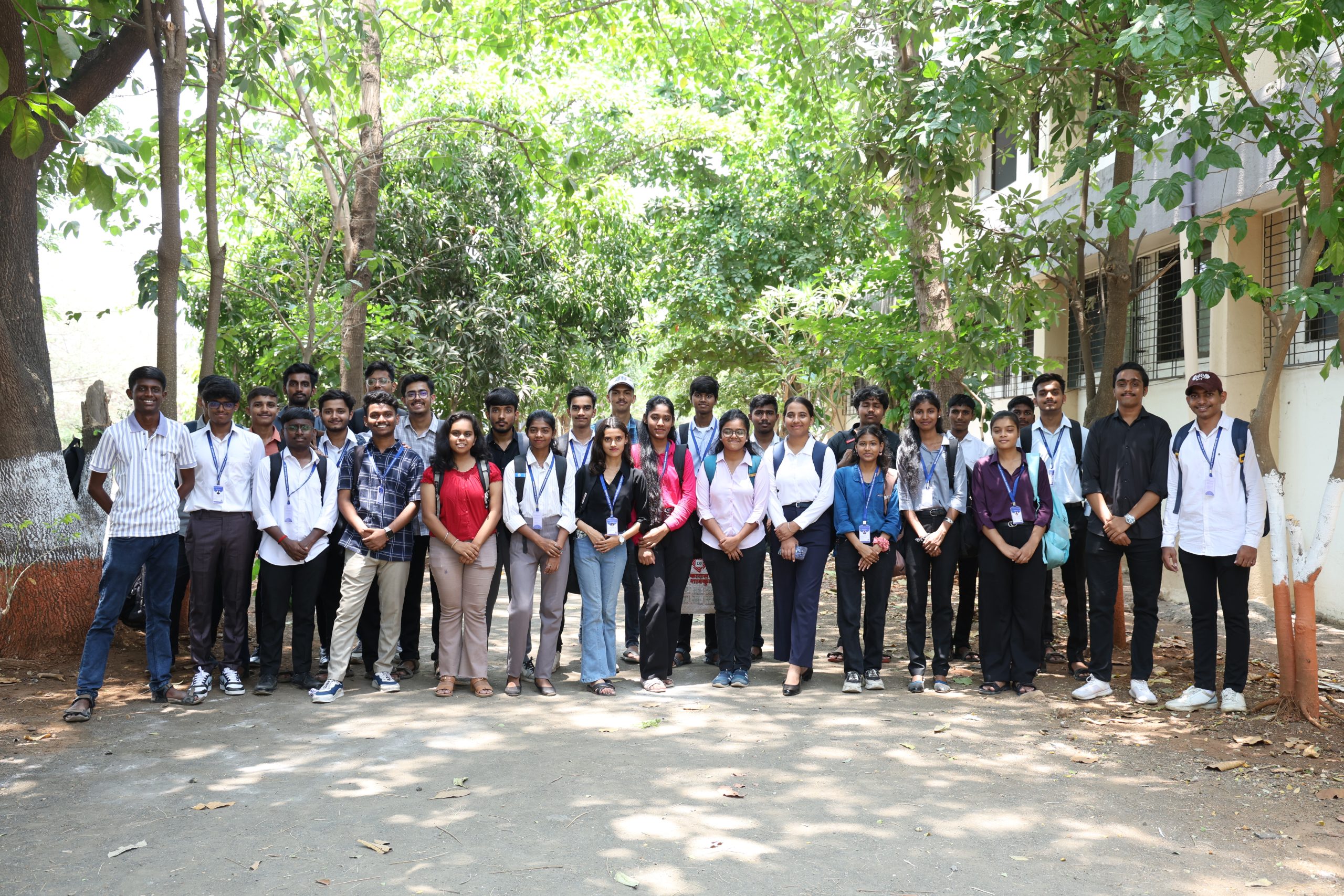
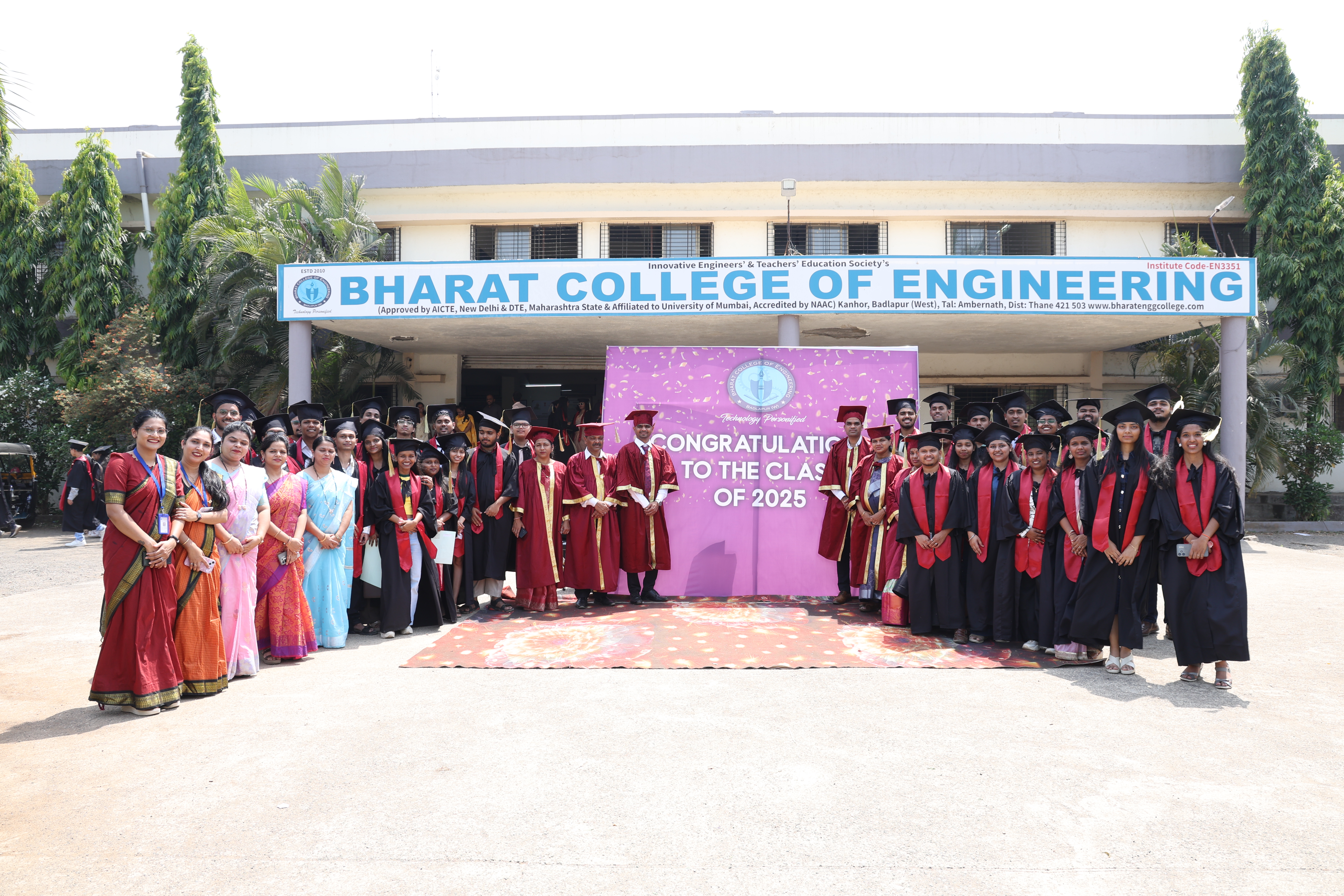
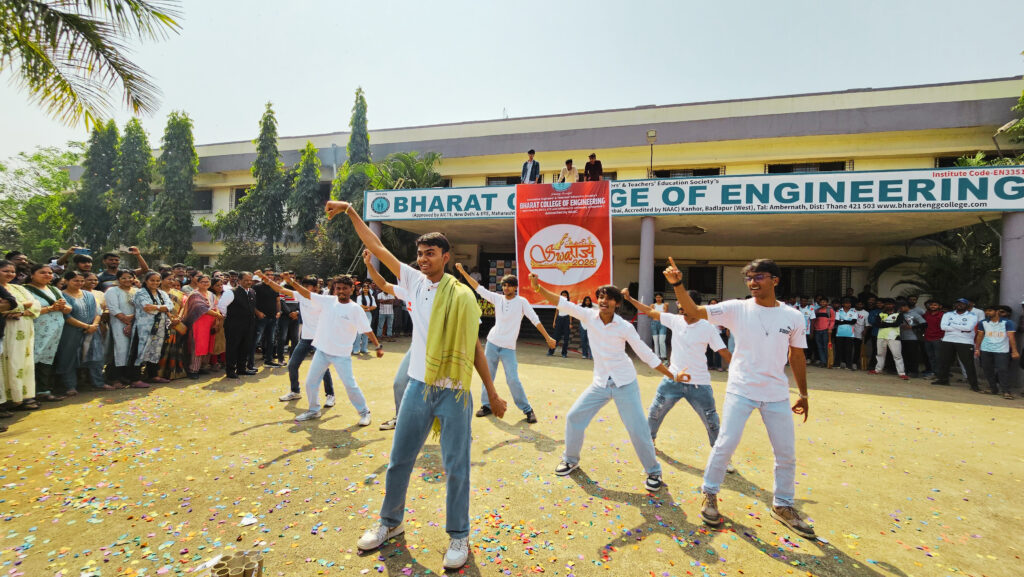
At Bharat College of Engineering, the Department of Artificial Intelligence and Machine Learning is established with a forward-looking vision to cultivate intelligent, adaptive, and industry-ready professionals. The department is designed to foster a deeper understanding of AI and ML technologies while promoting innovation, collaboration, and problem-solving capabilities aligned with future technological demands.
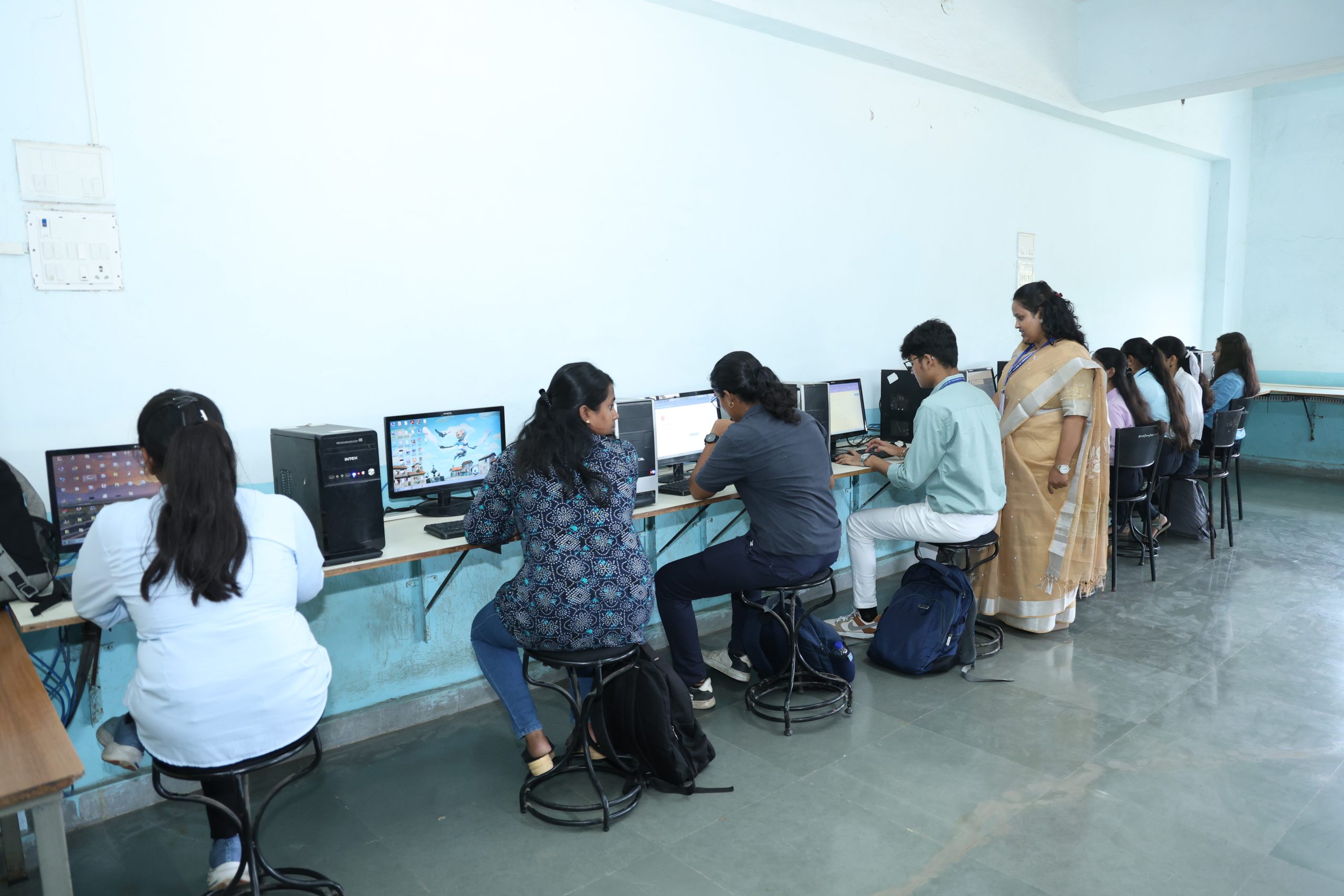
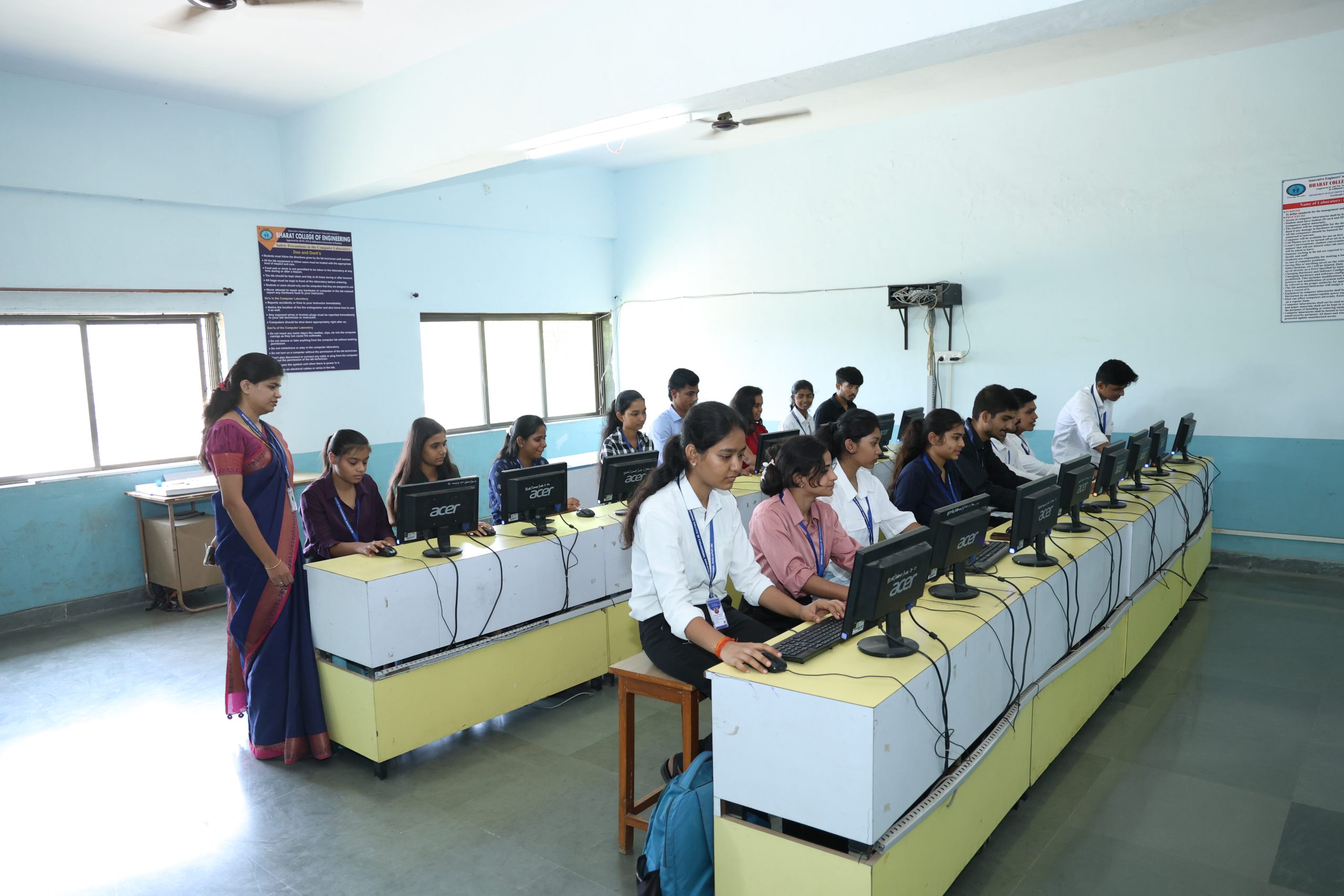
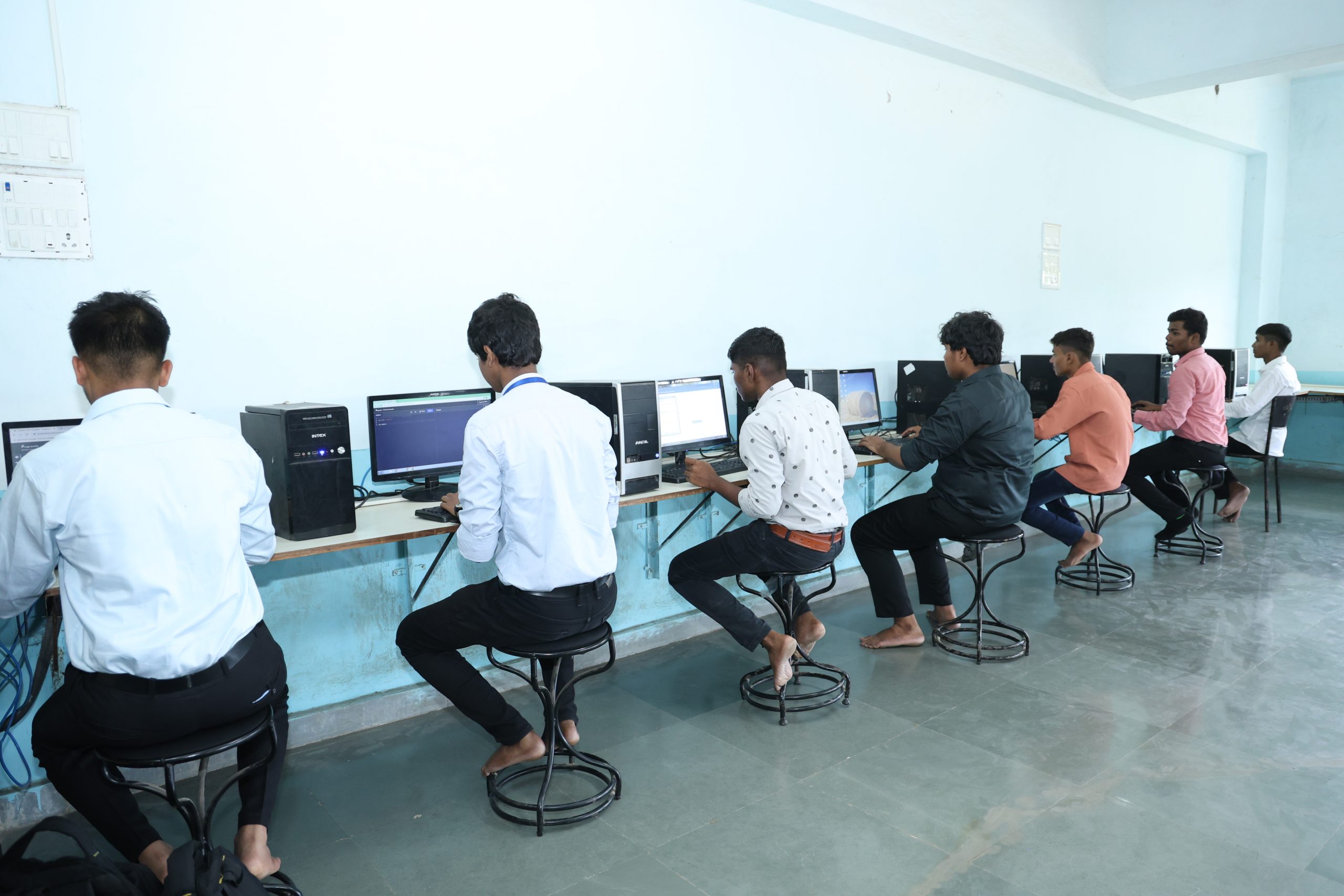
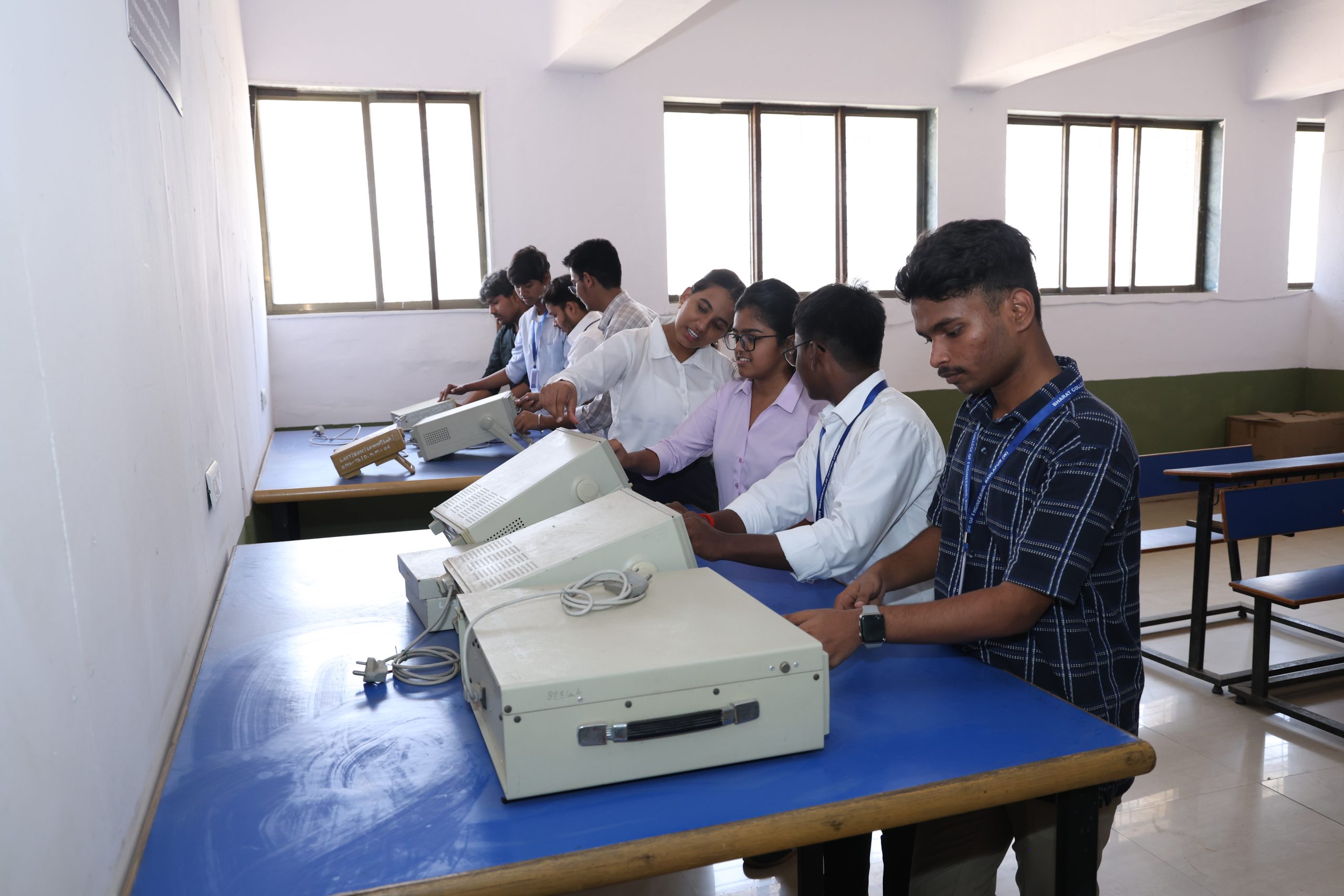
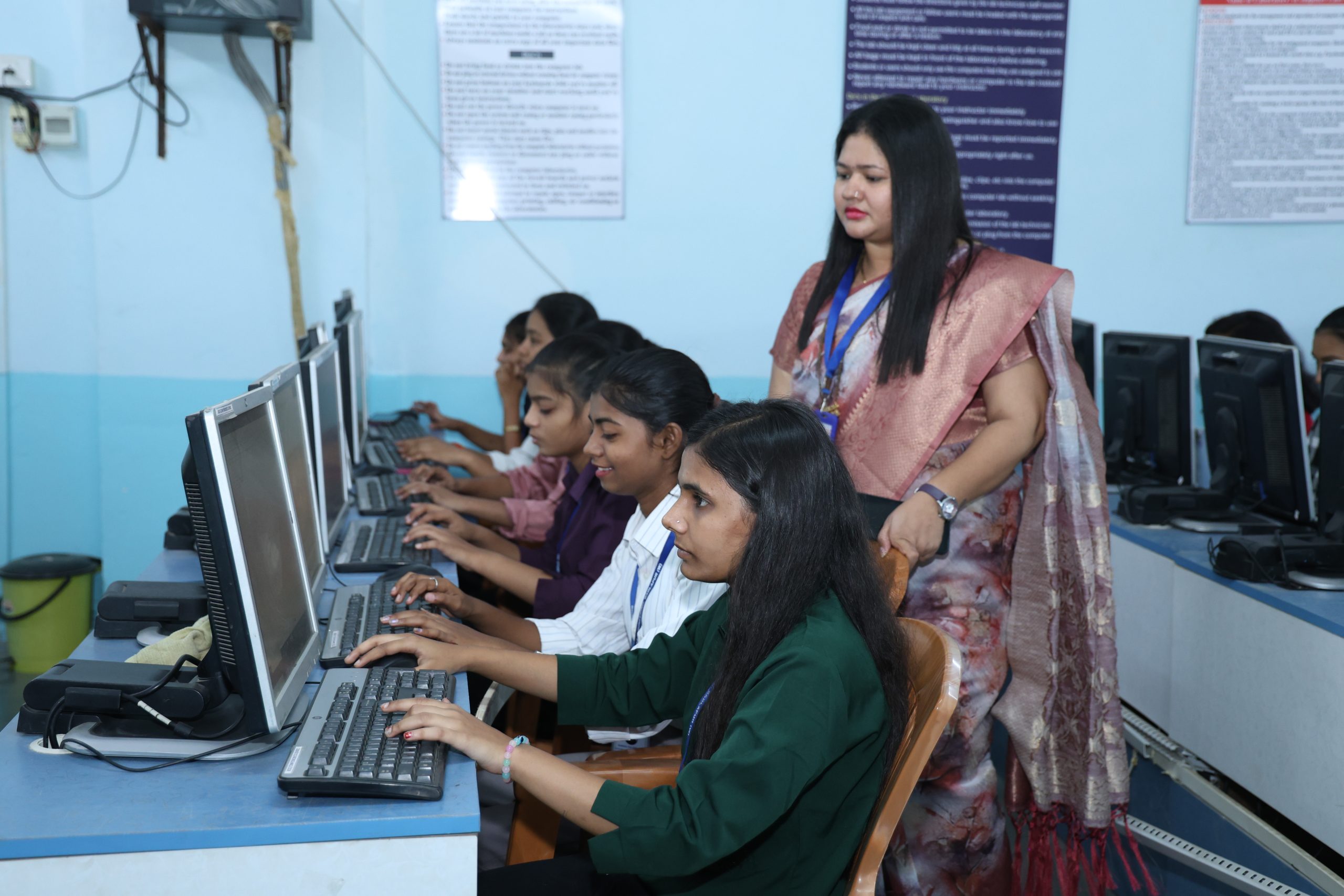
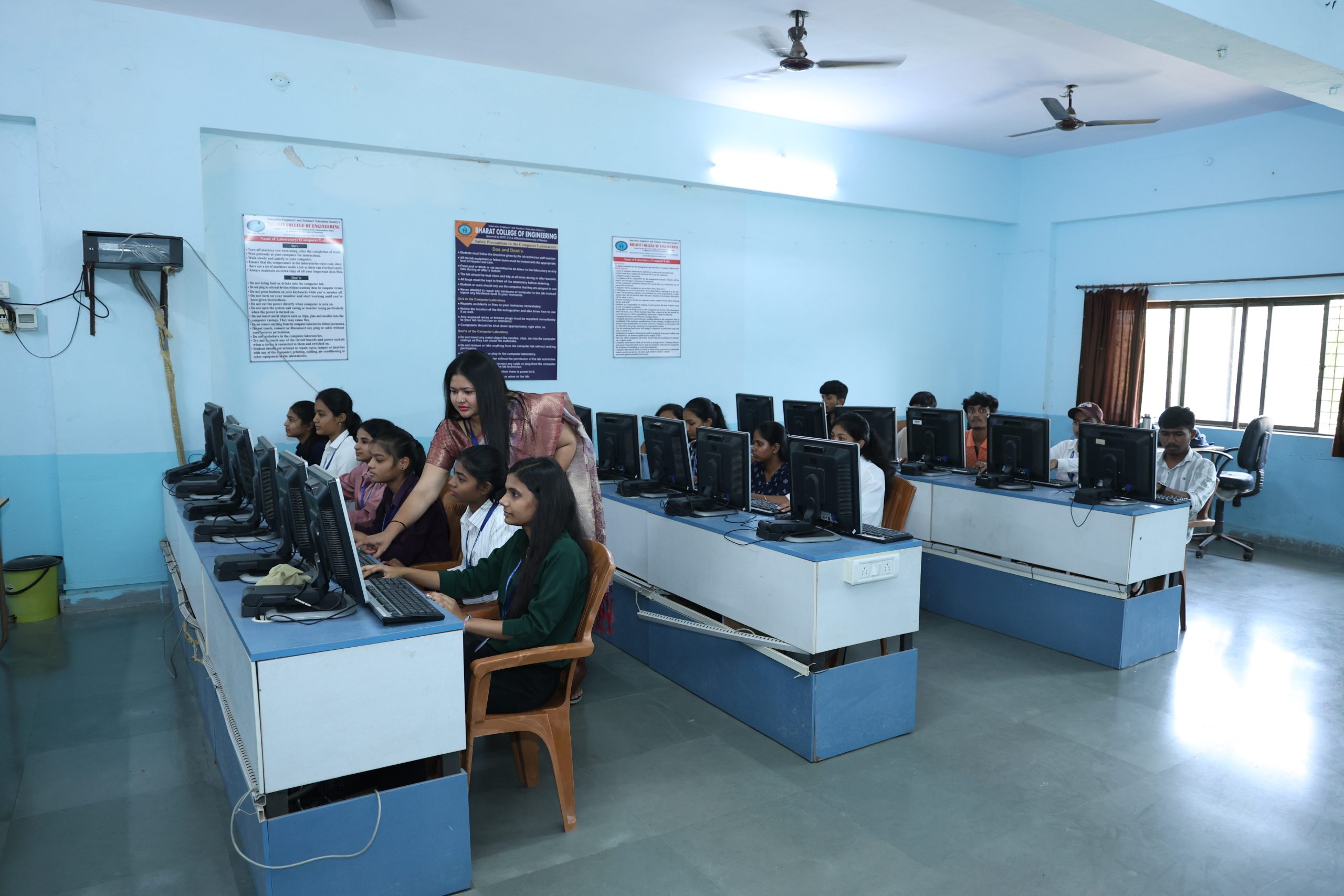
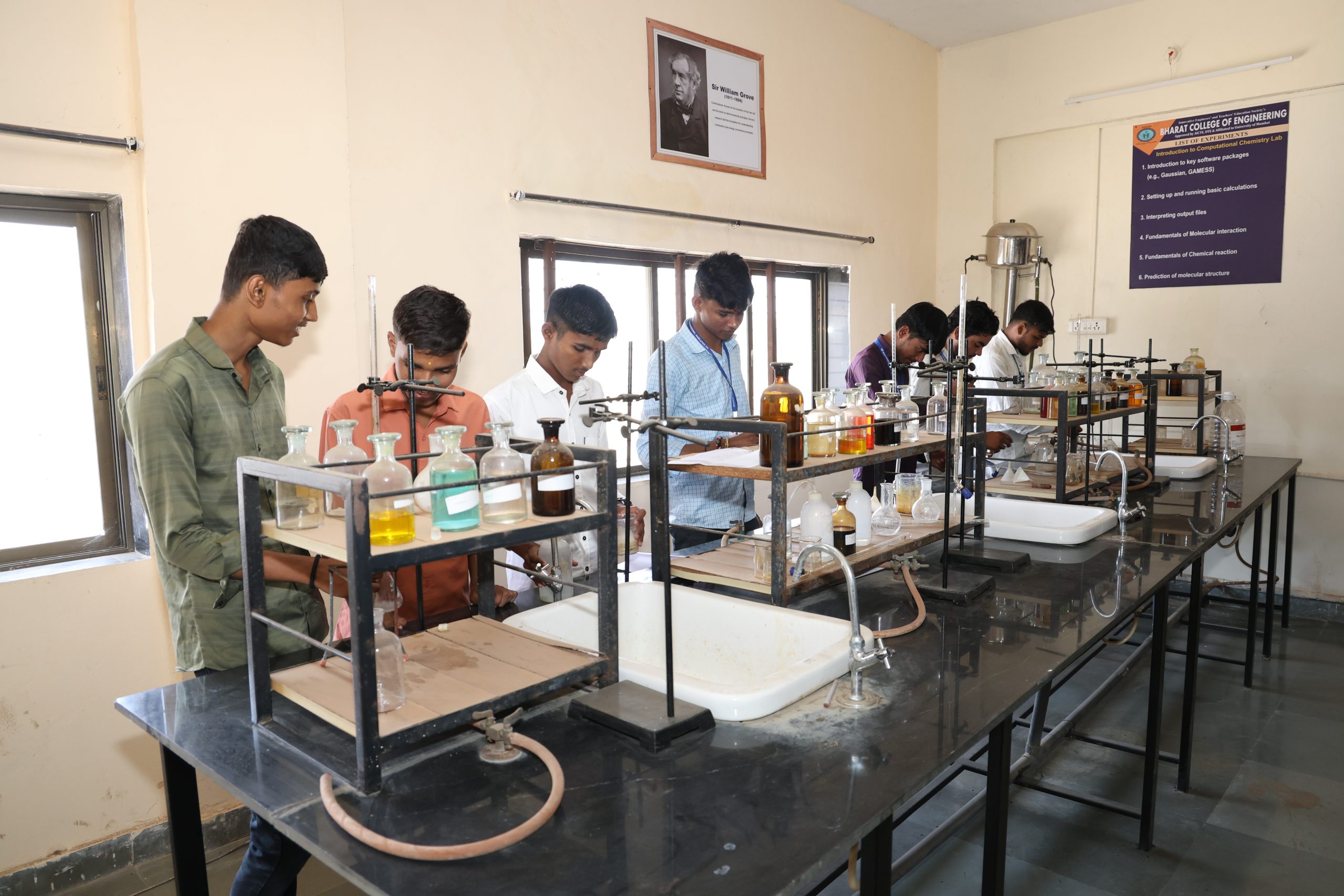
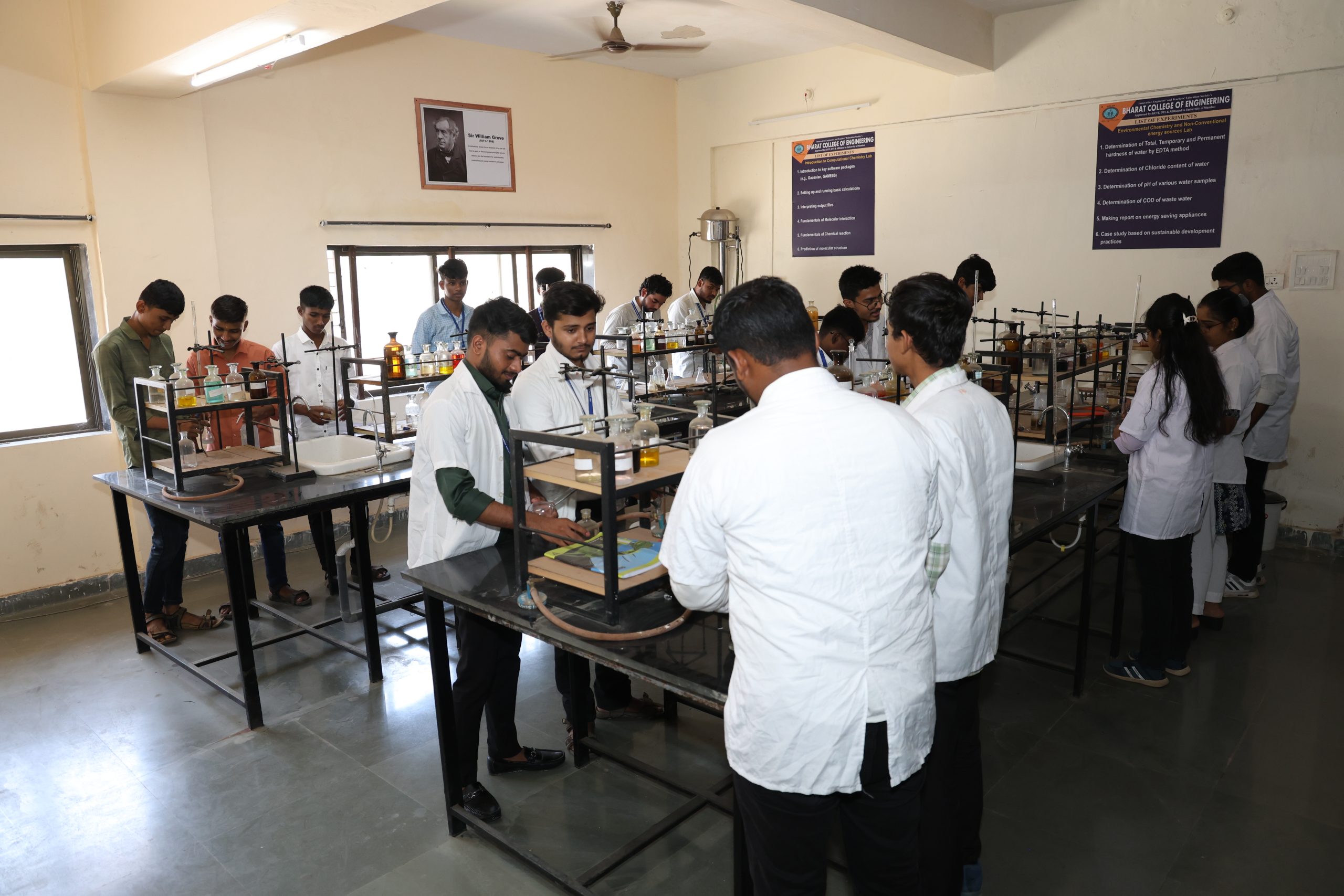
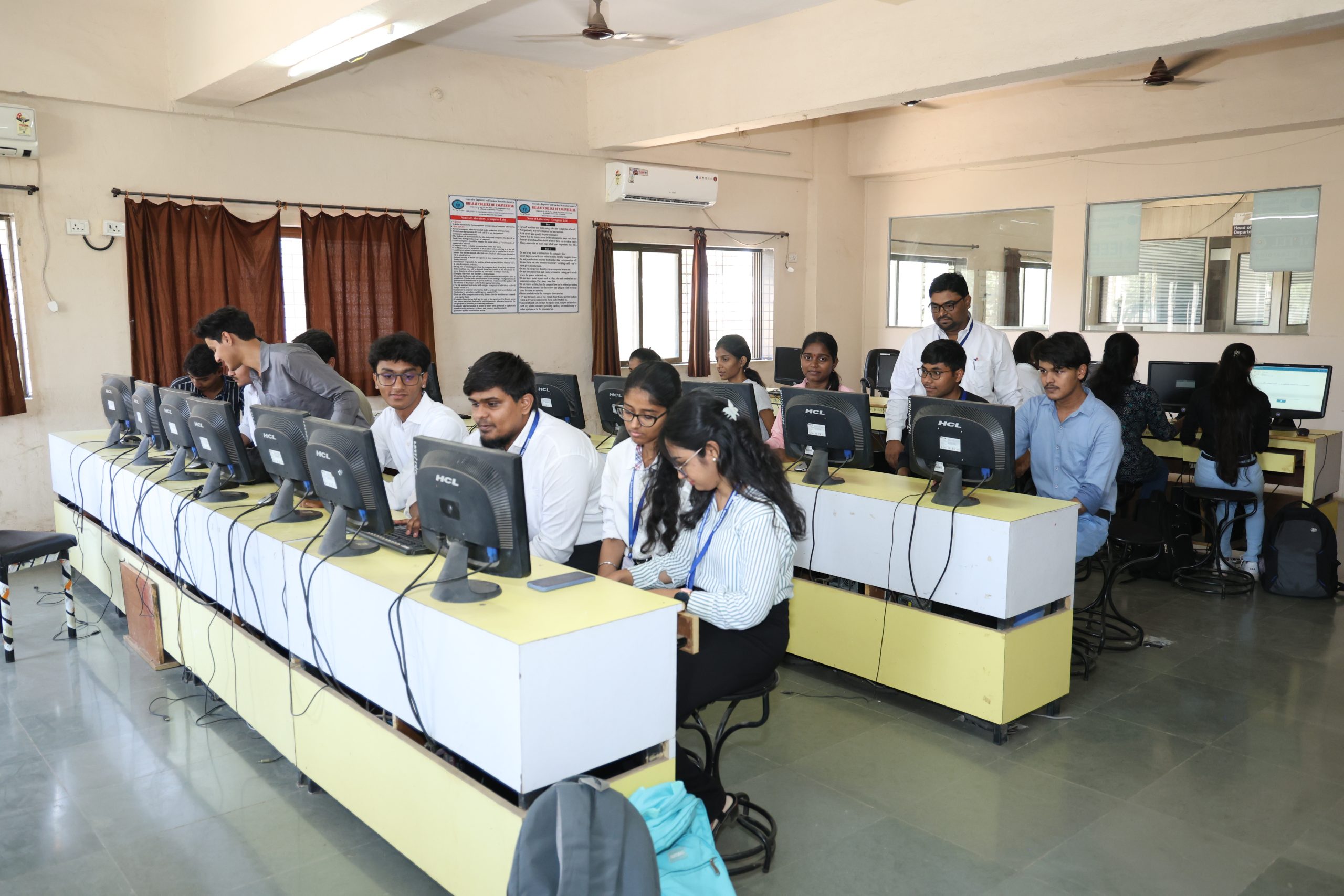
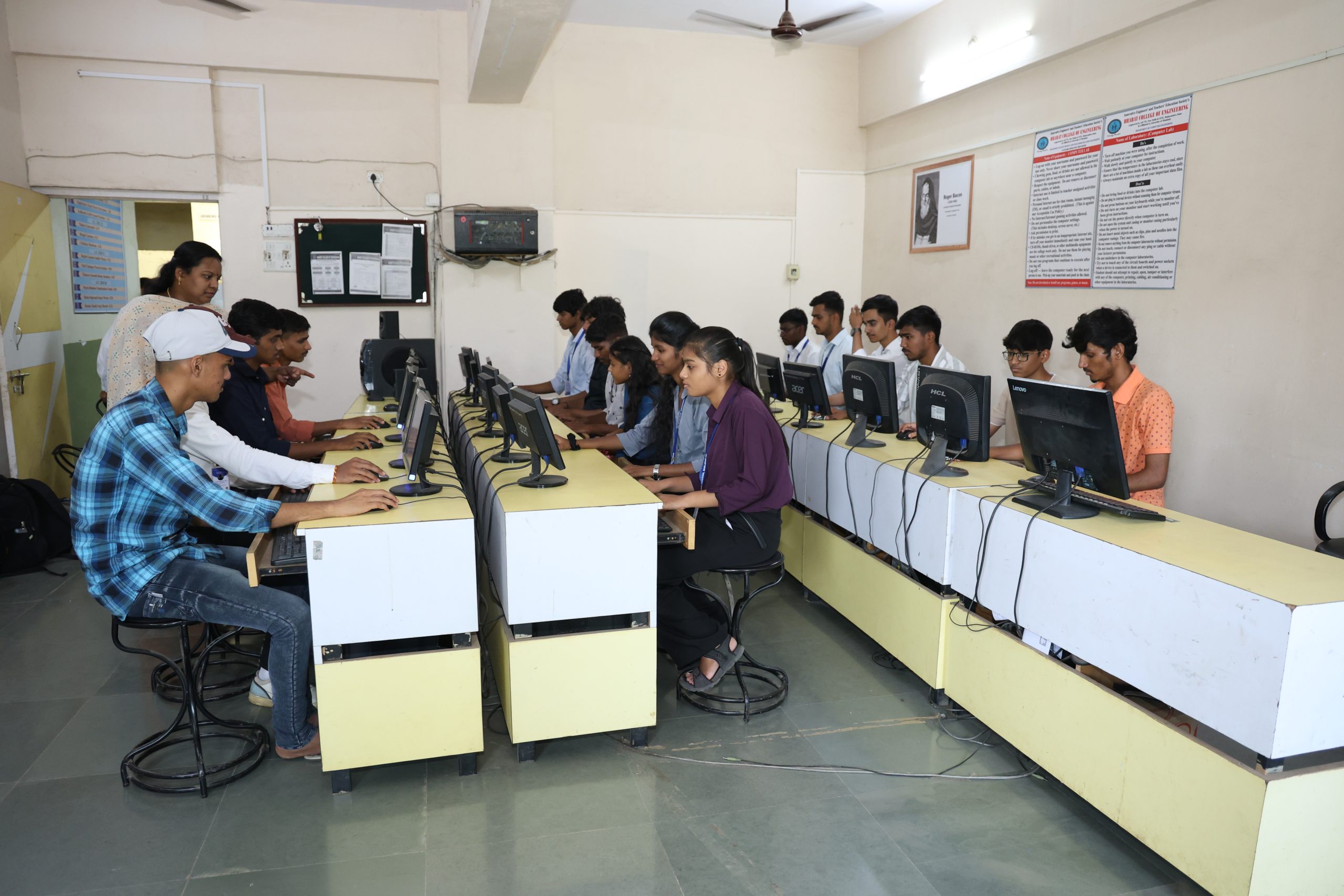
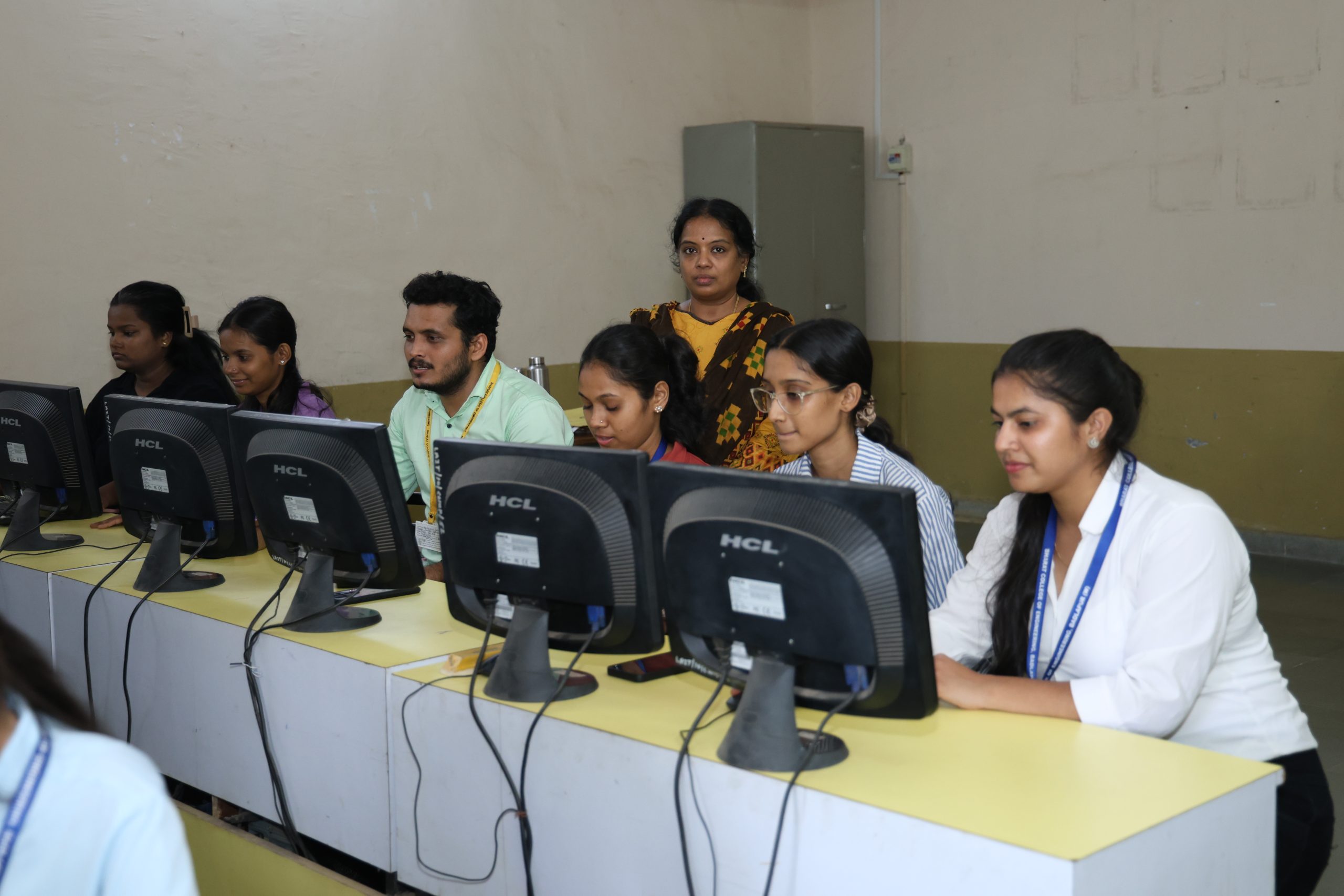
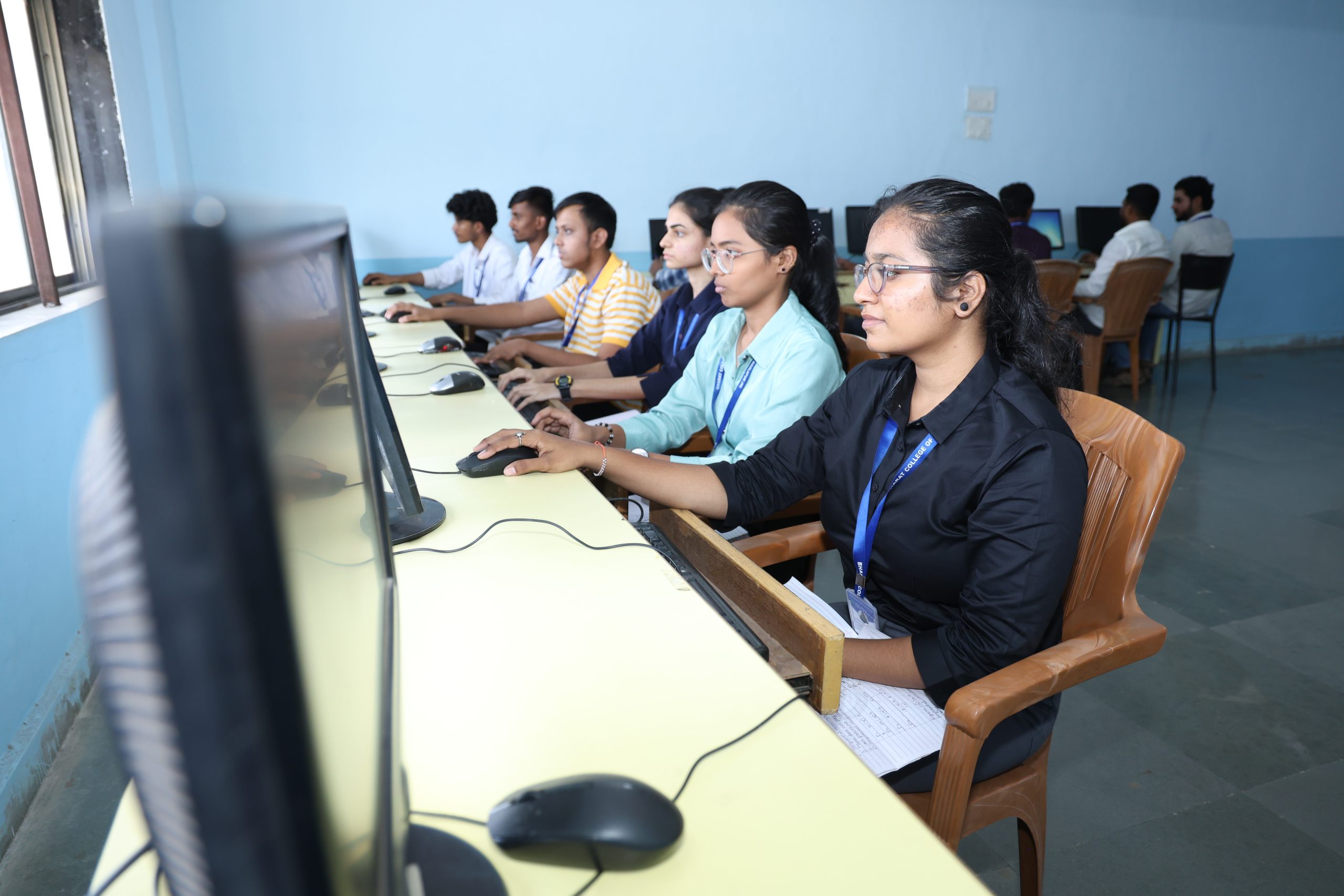
The department is supported by well-equipped computer laboratories featuring advanced infrastructure and licensed software environments, enabling students to gain hands-on experience with contemporary tools and platforms relevant to the AI and ML domain. This robust technical ecosystem ensures that learners are aligned with current industry practices and emerging trends.
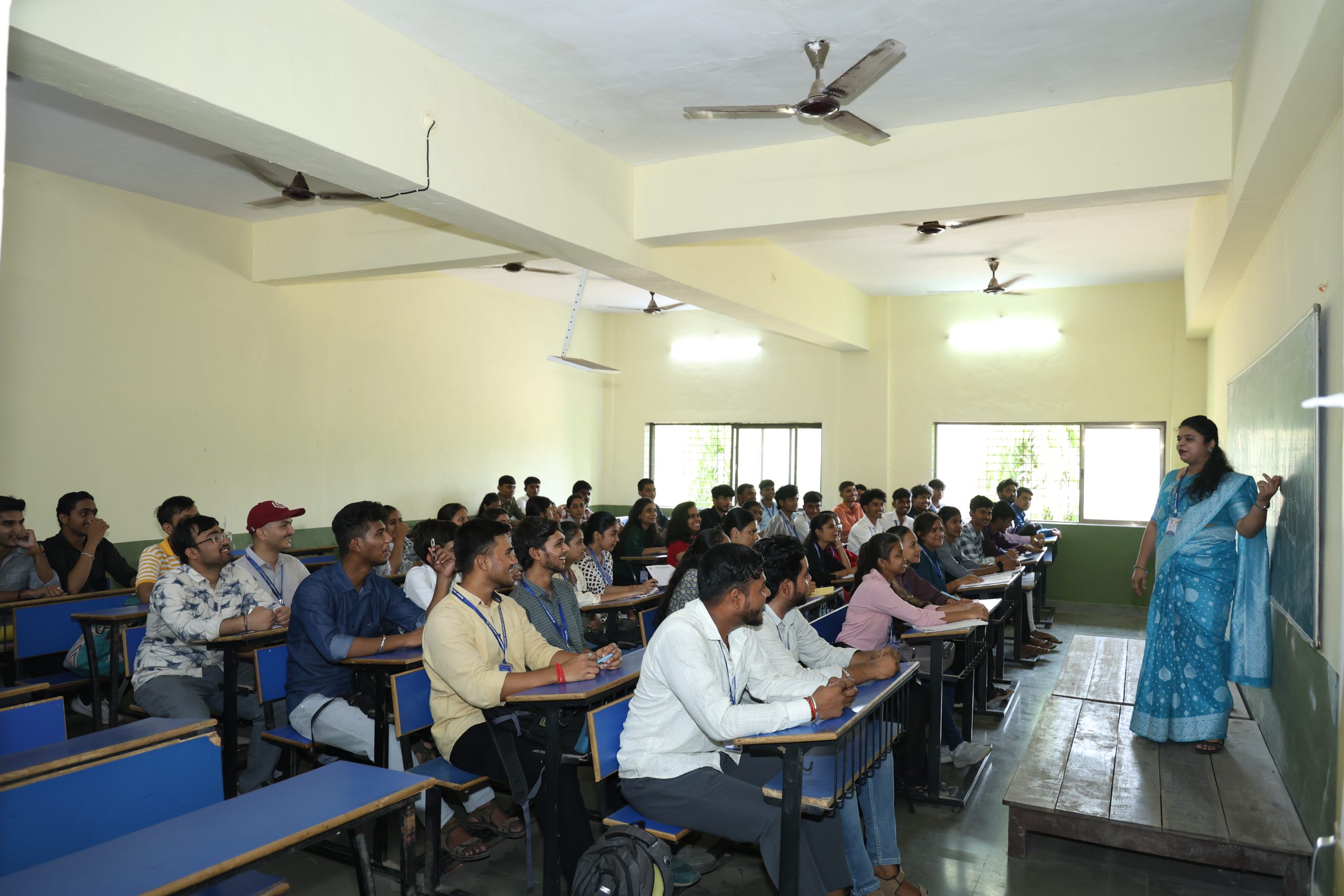
A team of highly qualified and experienced faculty members, with diverse specializations, forms the backbone of the department. Their continuous engagement with evolving technologies enables effective knowledge delivery and mentorship, ensuring that students are well-prepared to adapt to dynamic AI-driven applications. The department is committed to maintaining high academic standards while continuously enhancing the quality of education and training.
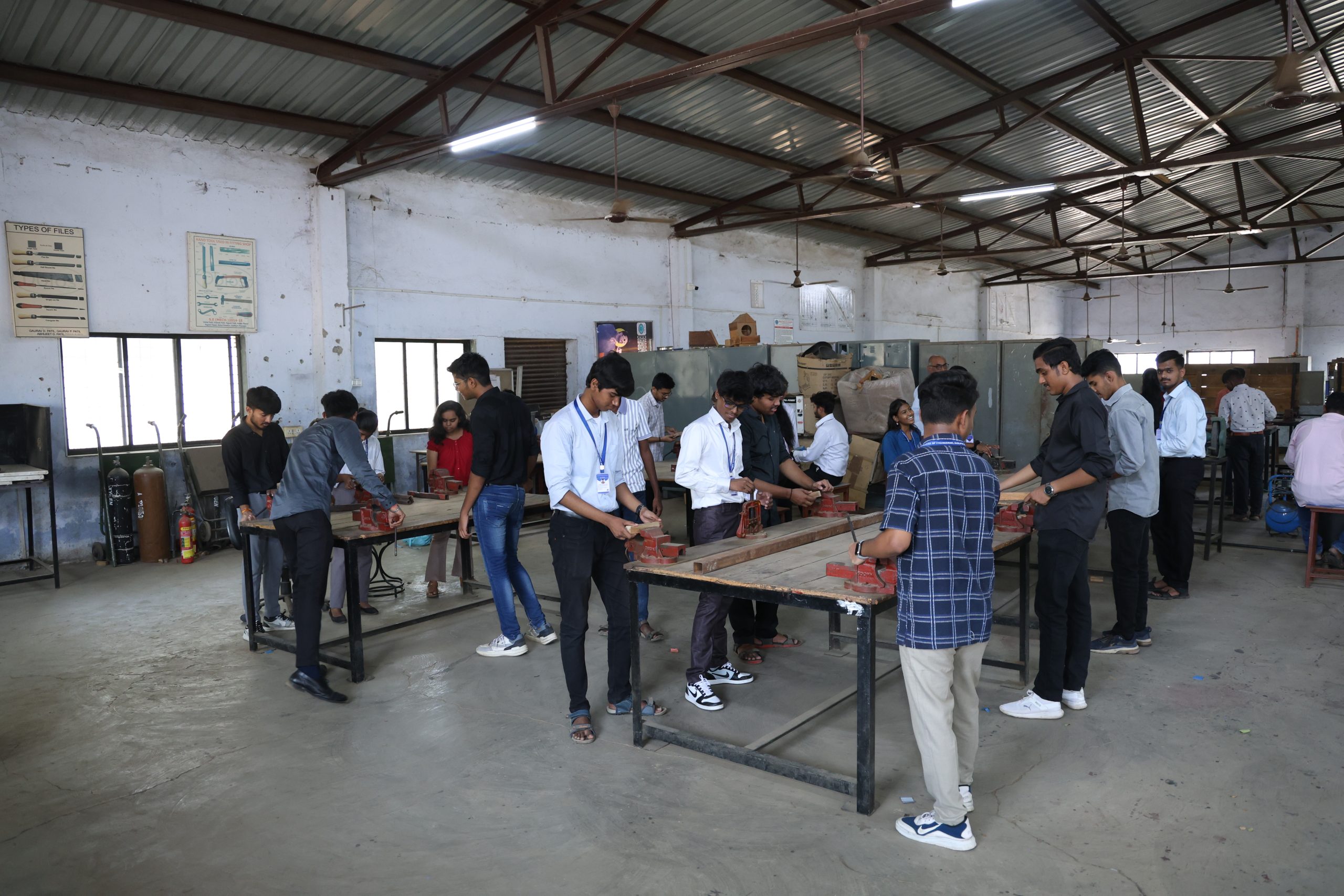
The academic environment encourages research, innovation, and practical exposure. Faculty and students actively contribute to national and international publications, while student projects are often aligned with industry requirements, real-time problem-solving, and societal applications. Strategic collaborations through Memorandums of Understanding (MoUs) with industries further strengthen practical learning and industry exposure.
The department also promotes holistic development through co-curricular and professional activities such as workshops, seminars, guest lectures, and industrial visits. Students are encouraged to pursue online certification programs through platforms like NPTEL, MOOC, and Spoken Tutorial Project, enhancing their technical competencies.
Additionally, the Training and Placement Cell plays a pivotal role in shaping students’ professional readiness by focusing on communication skills, aptitude, ethical values, and personality development through structured training programs, counseling sessions, and entrepreneurship awareness initiatives. The department, through its comprehensive approach, strives to create competent professionals capable of contributing effectively to the AI and ML ecosystem.