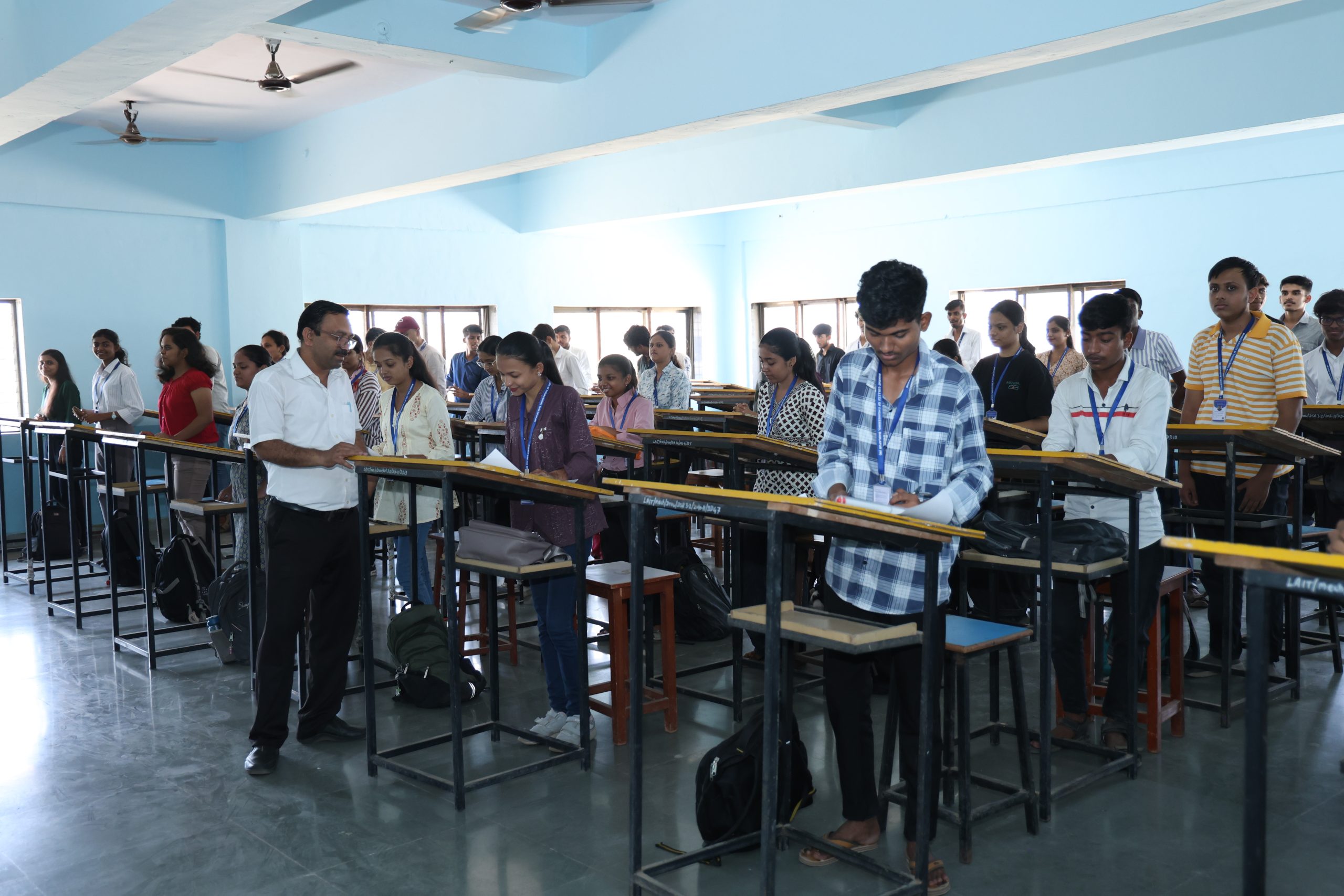
At Bharat College of Engineering, the Department of Science and Humanities plays a vital role in strengthening the academic foundation of engineering education. The department is dedicated to imparting fundamental knowledge in core disciplines such as Mathematics, Physics, Chemistry, Communication Skills, and Life Skills, which form the backbone of technical learning for first-year engineering and diploma students.
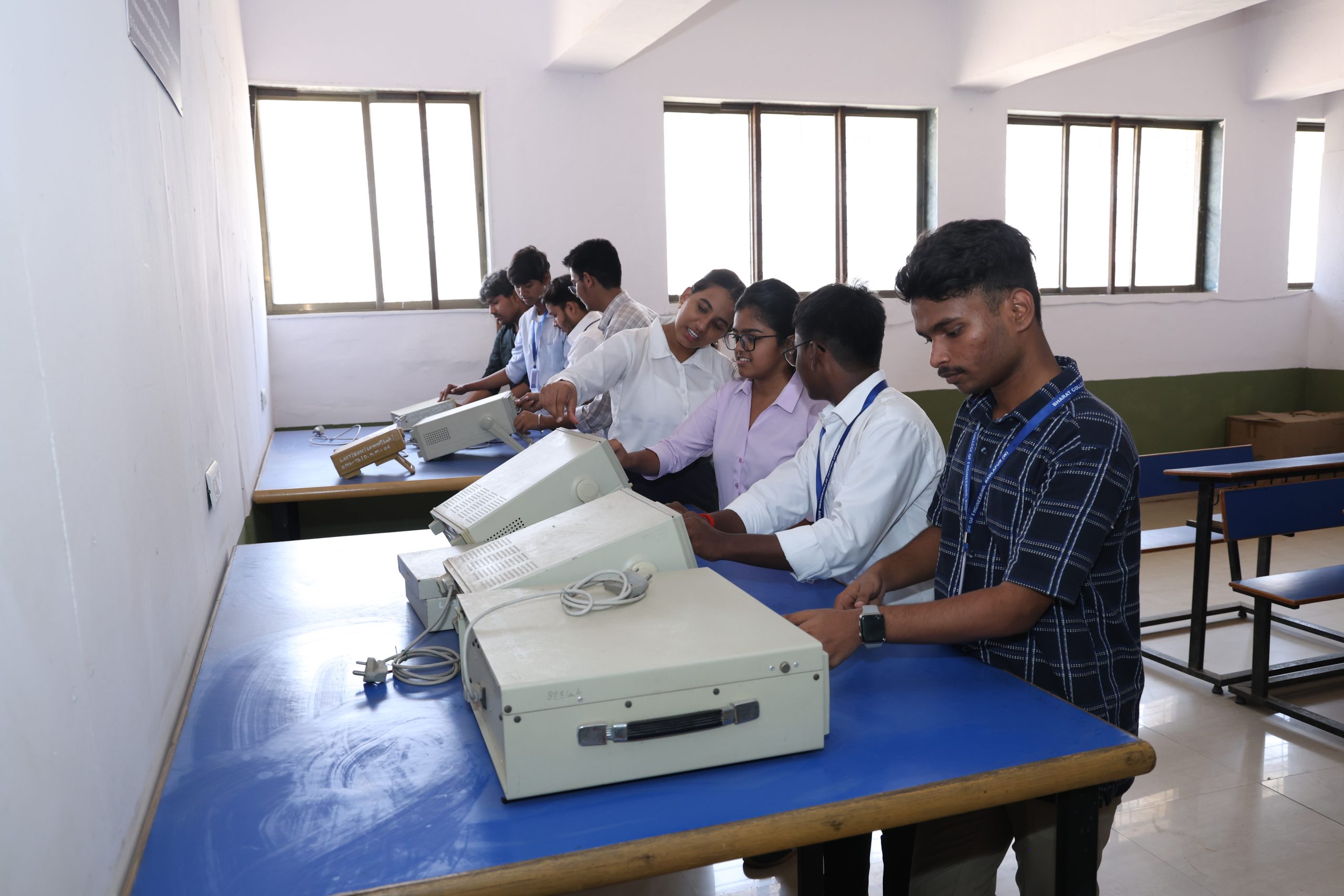
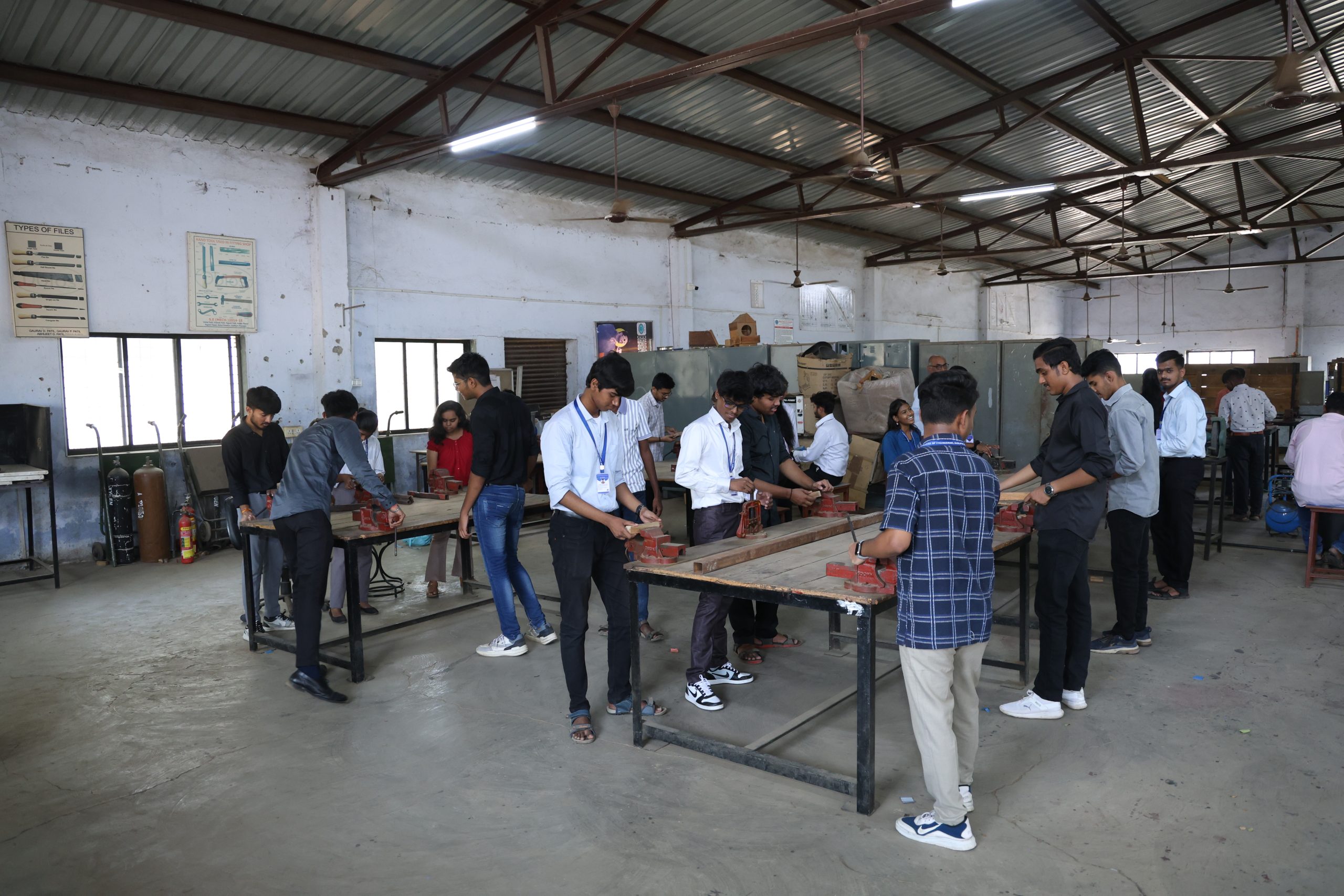
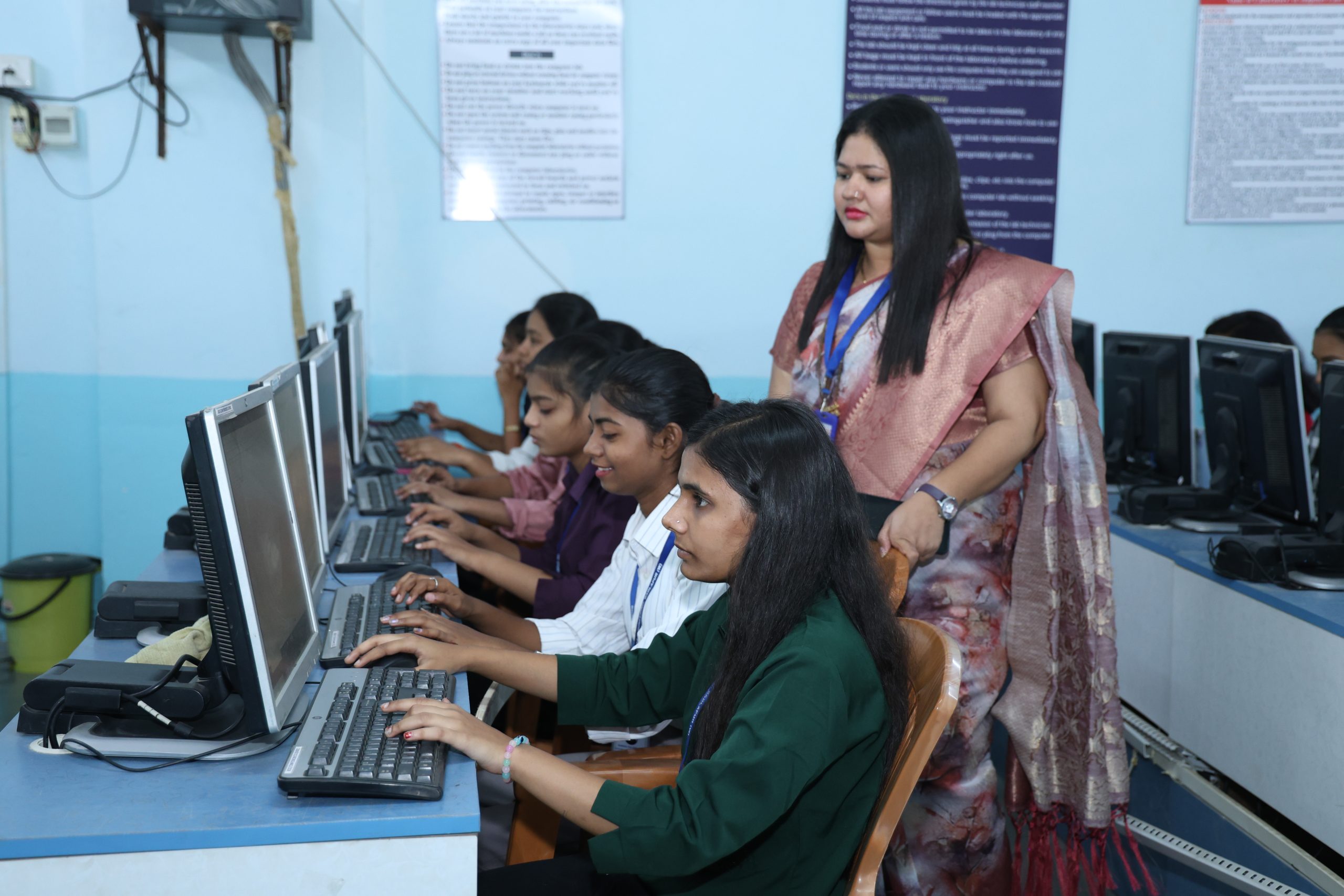
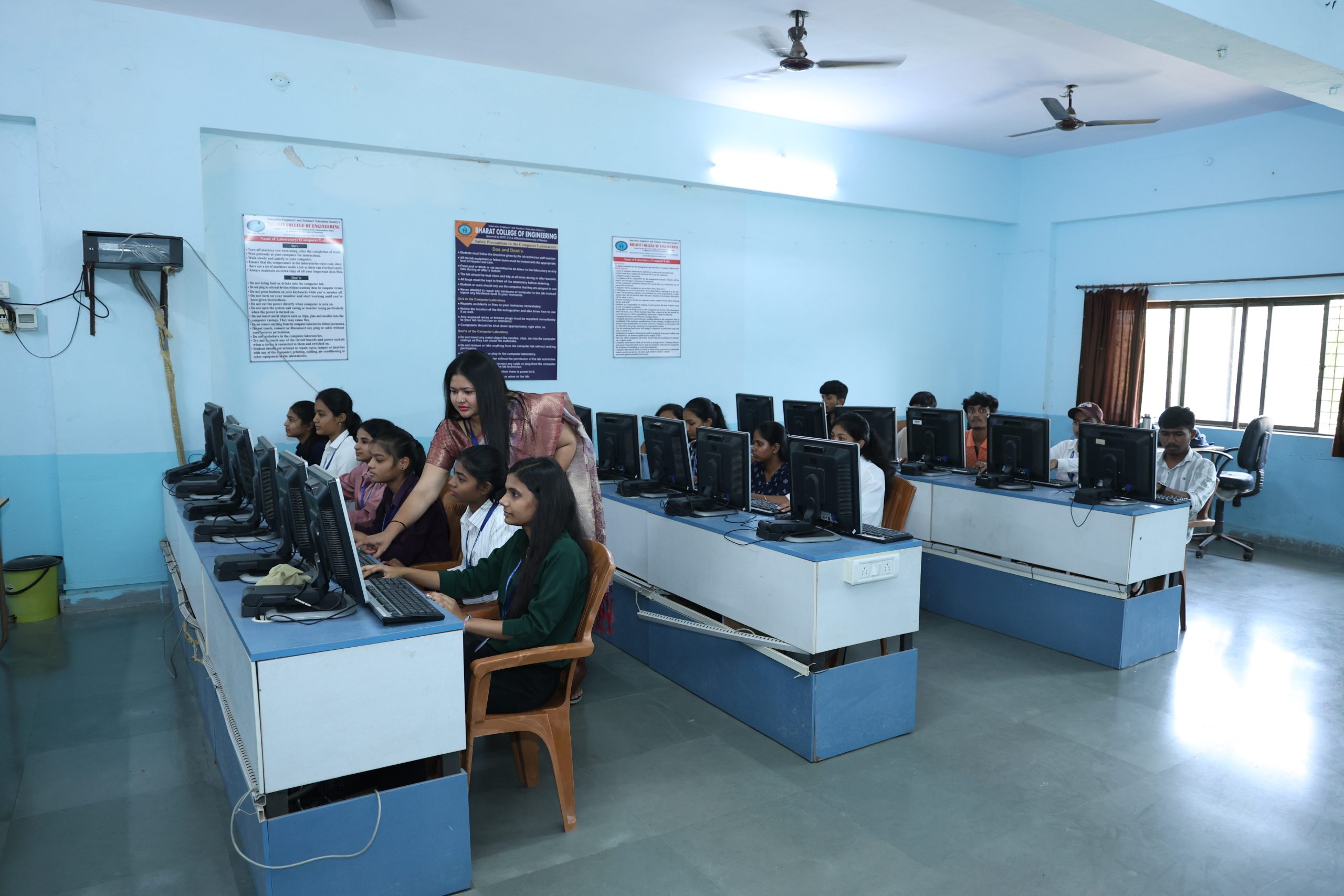
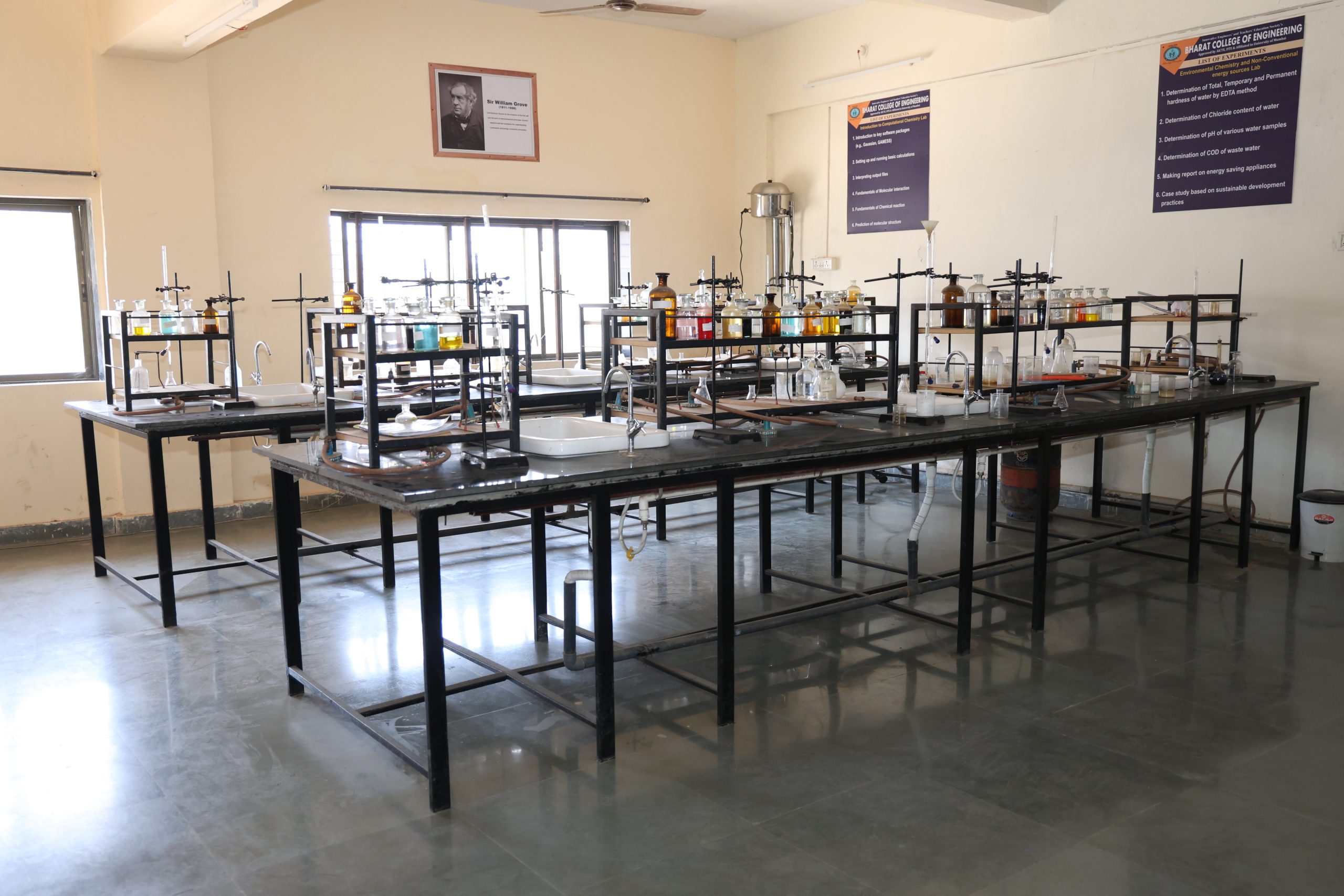
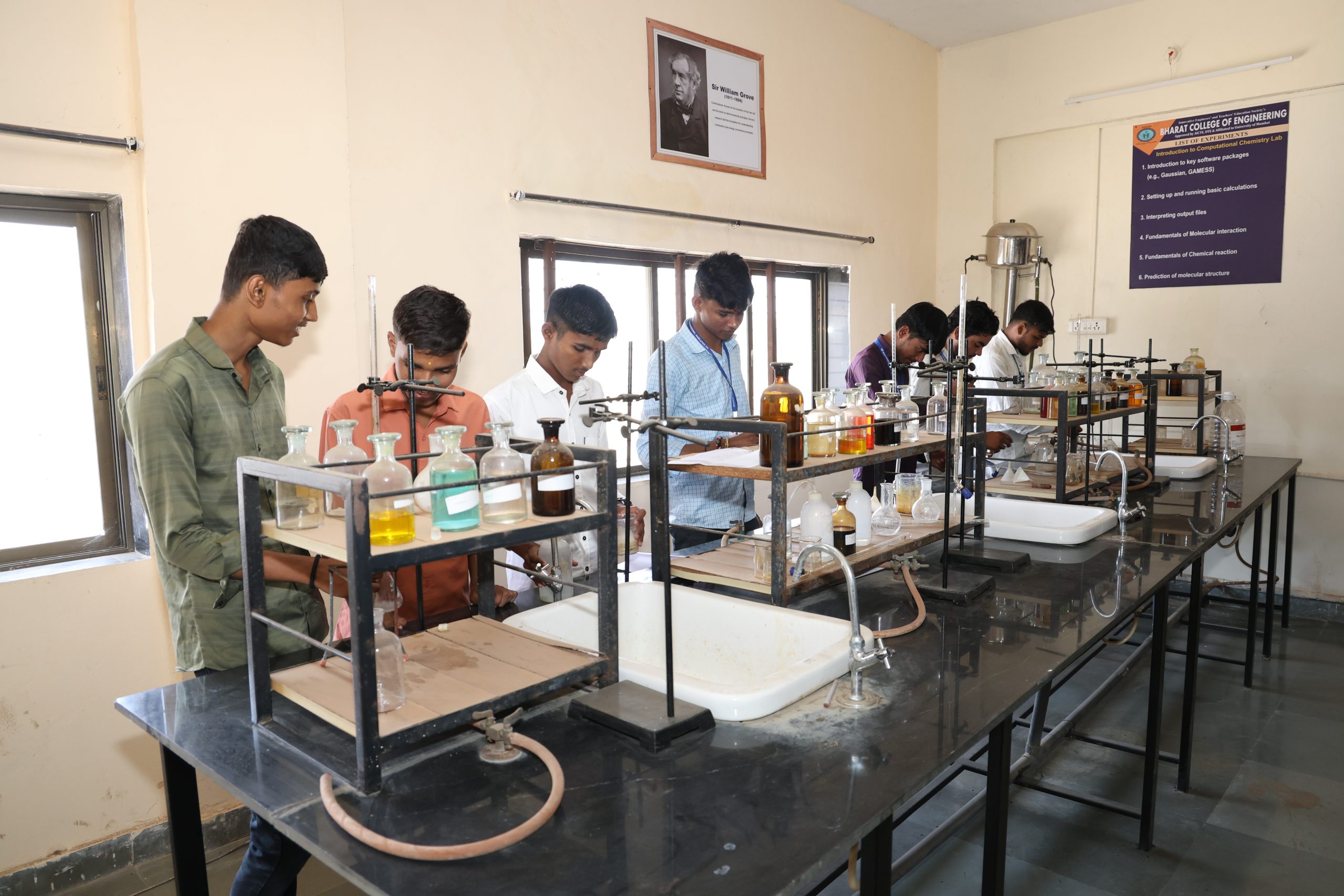
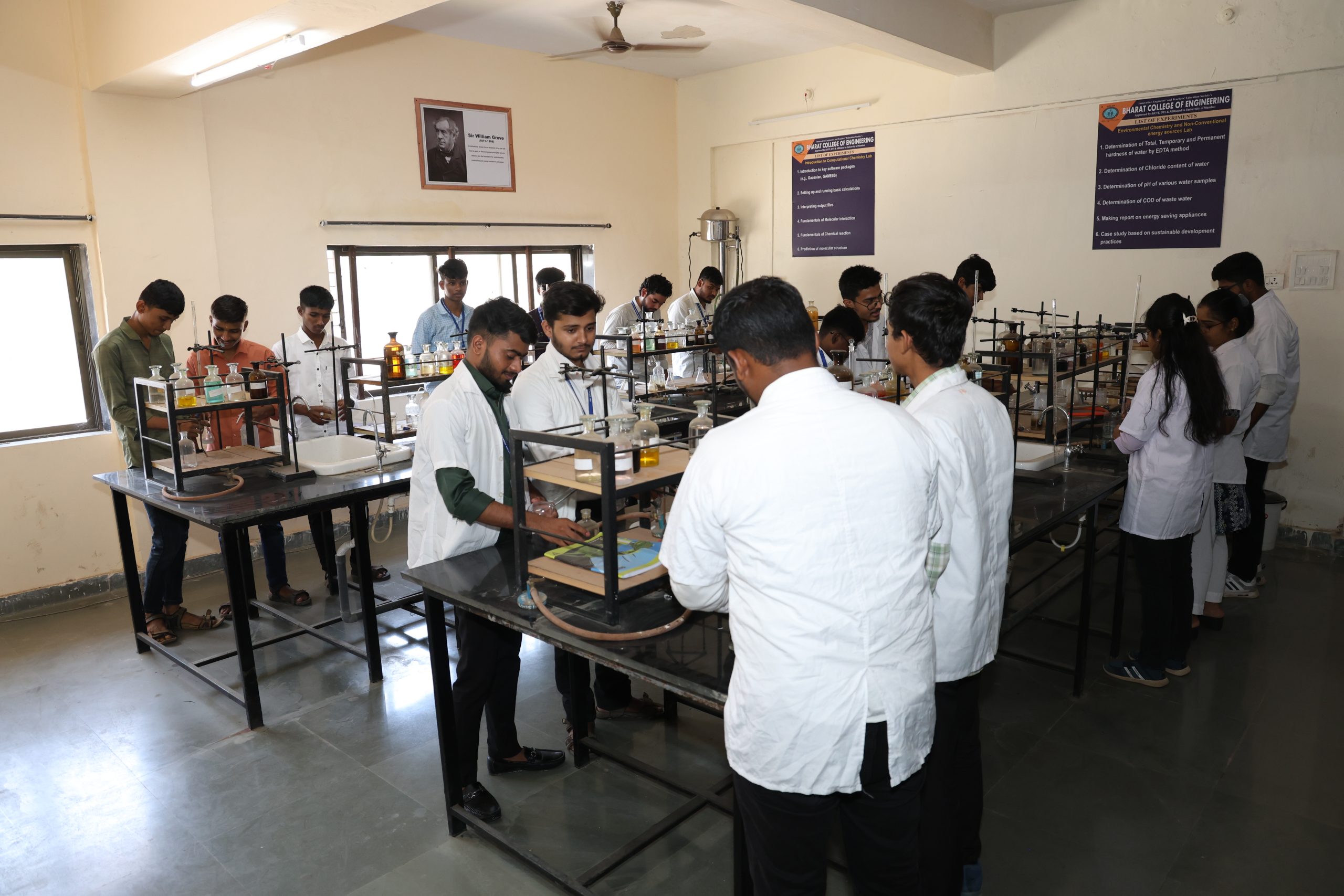
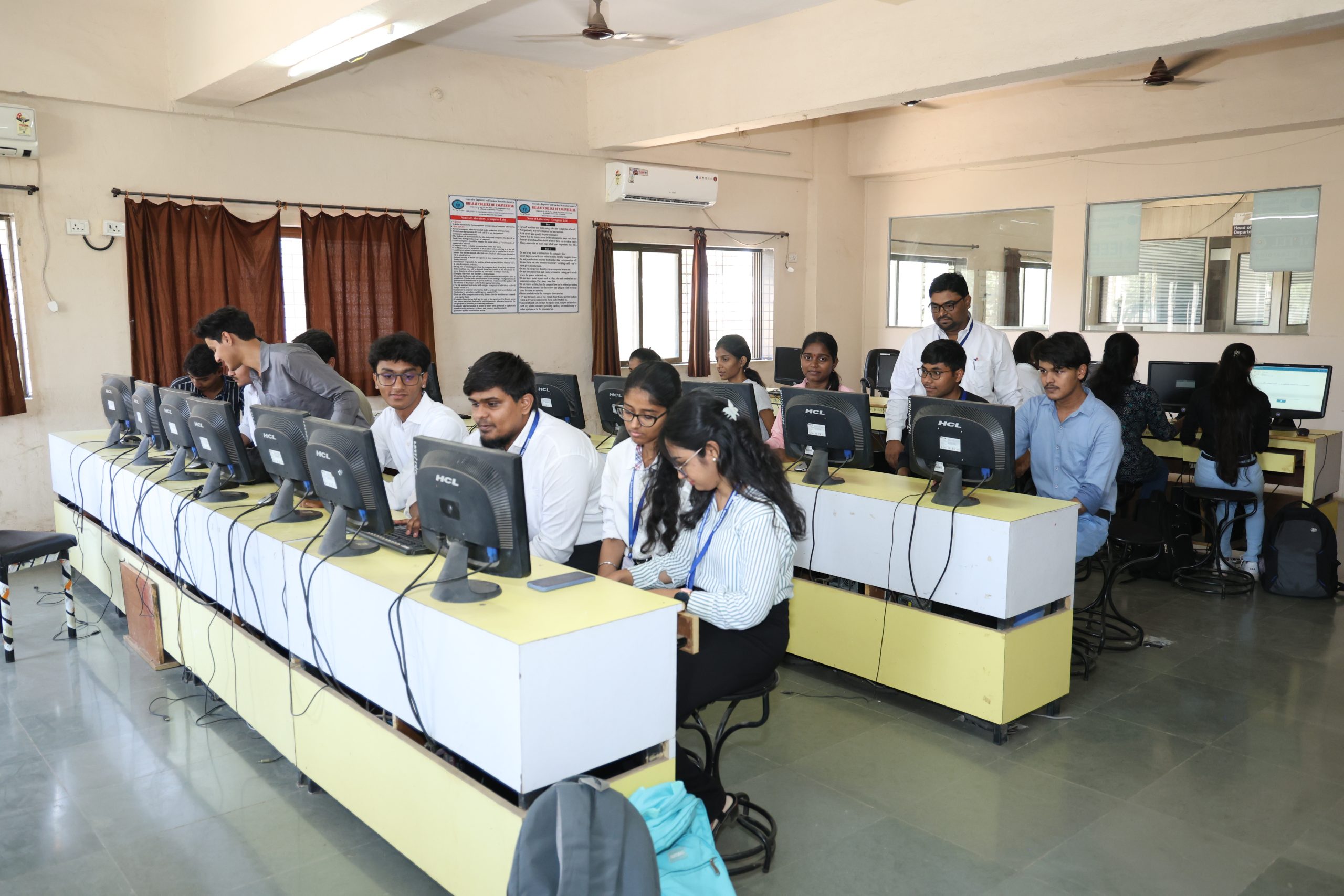
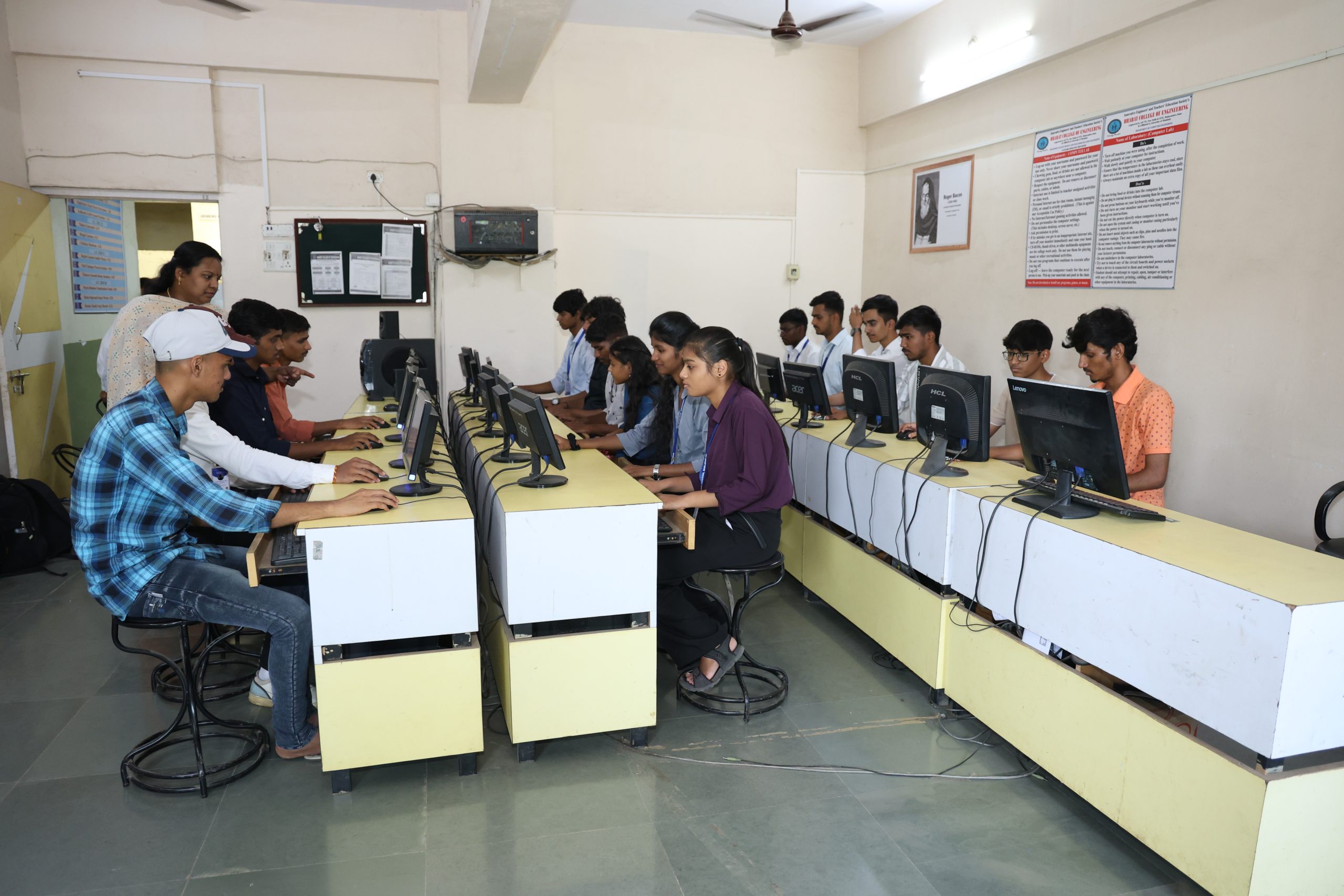
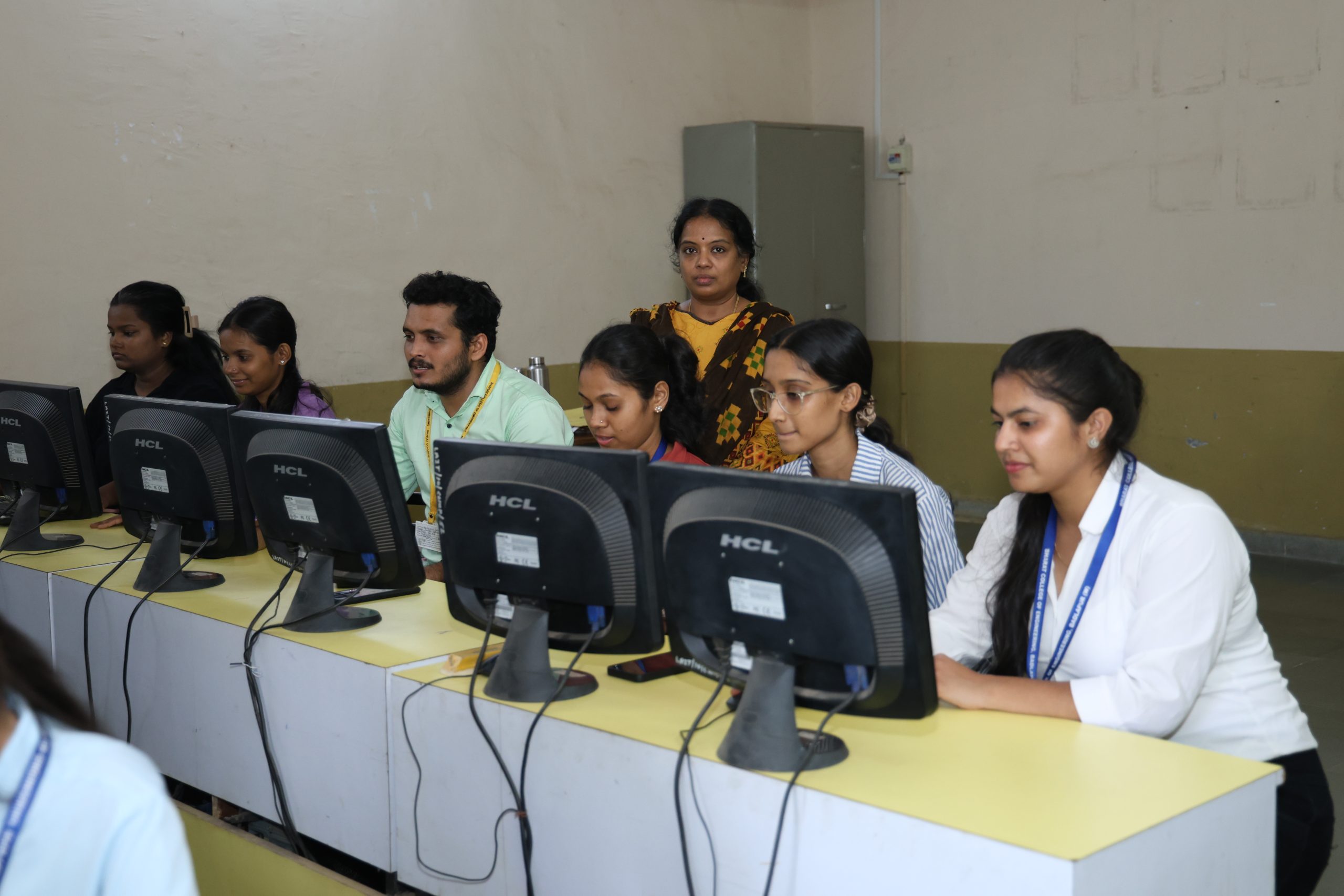
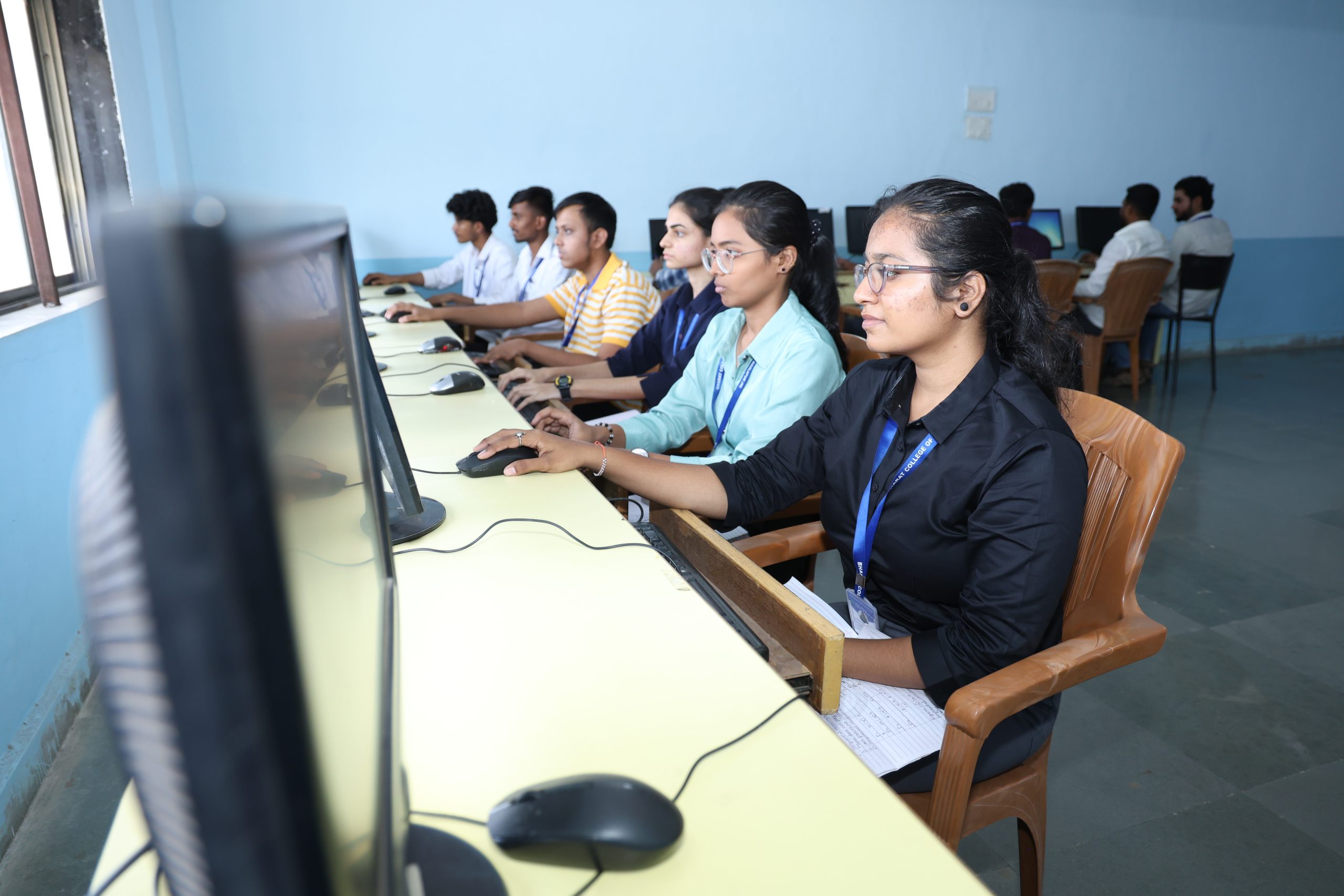
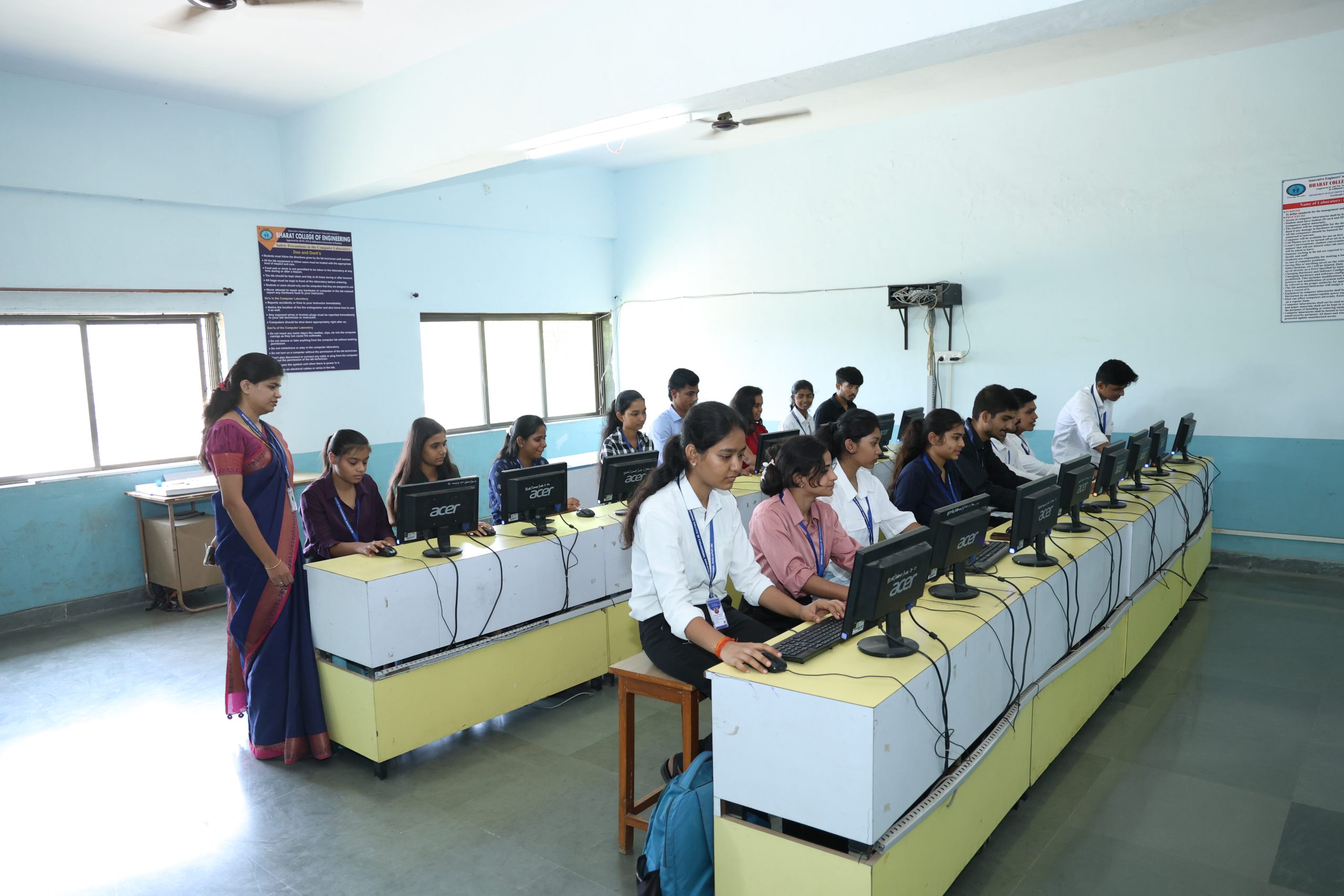
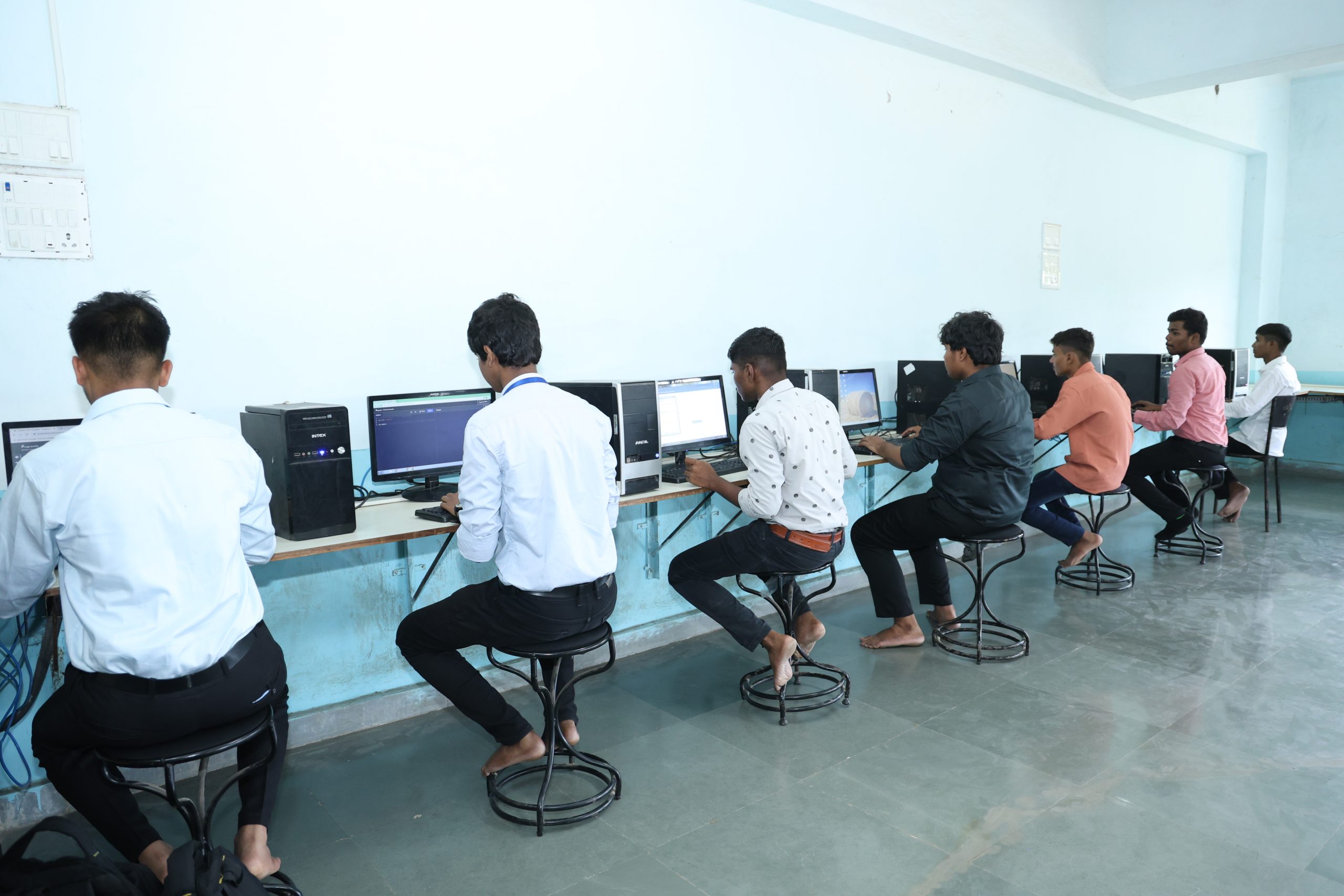
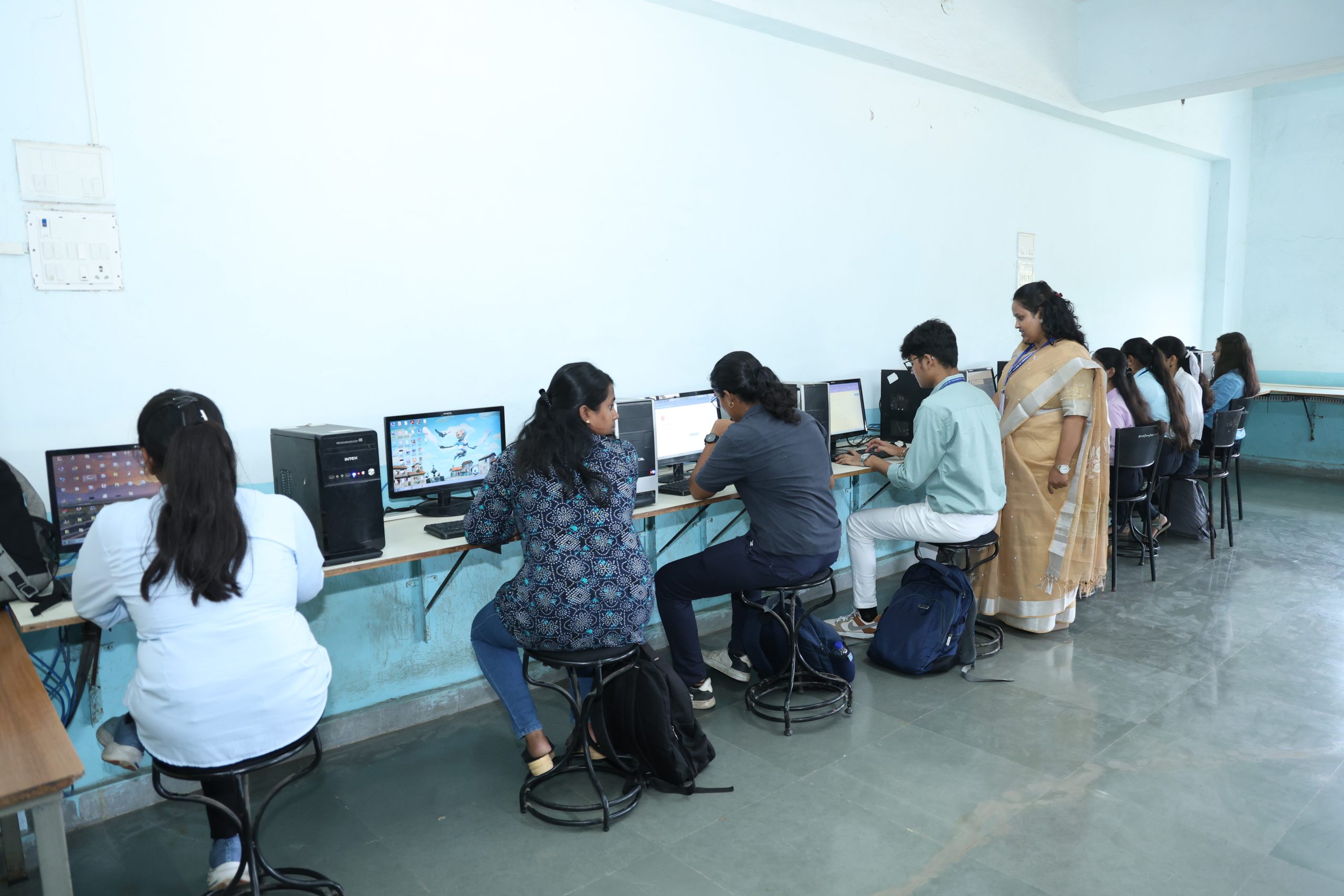
The department is supported by state-of-the-art infrastructure and well-equipped laboratories developed in accordance with the standards prescribed by the All India Council for Technical Education and the Maharashtra State Board of Technical Education. Modern laboratories for Physics, Chemistry, and Communication Skills provide students with practical exposure and experiential learning opportunities using advanced equipment, apparatus, and software resources.
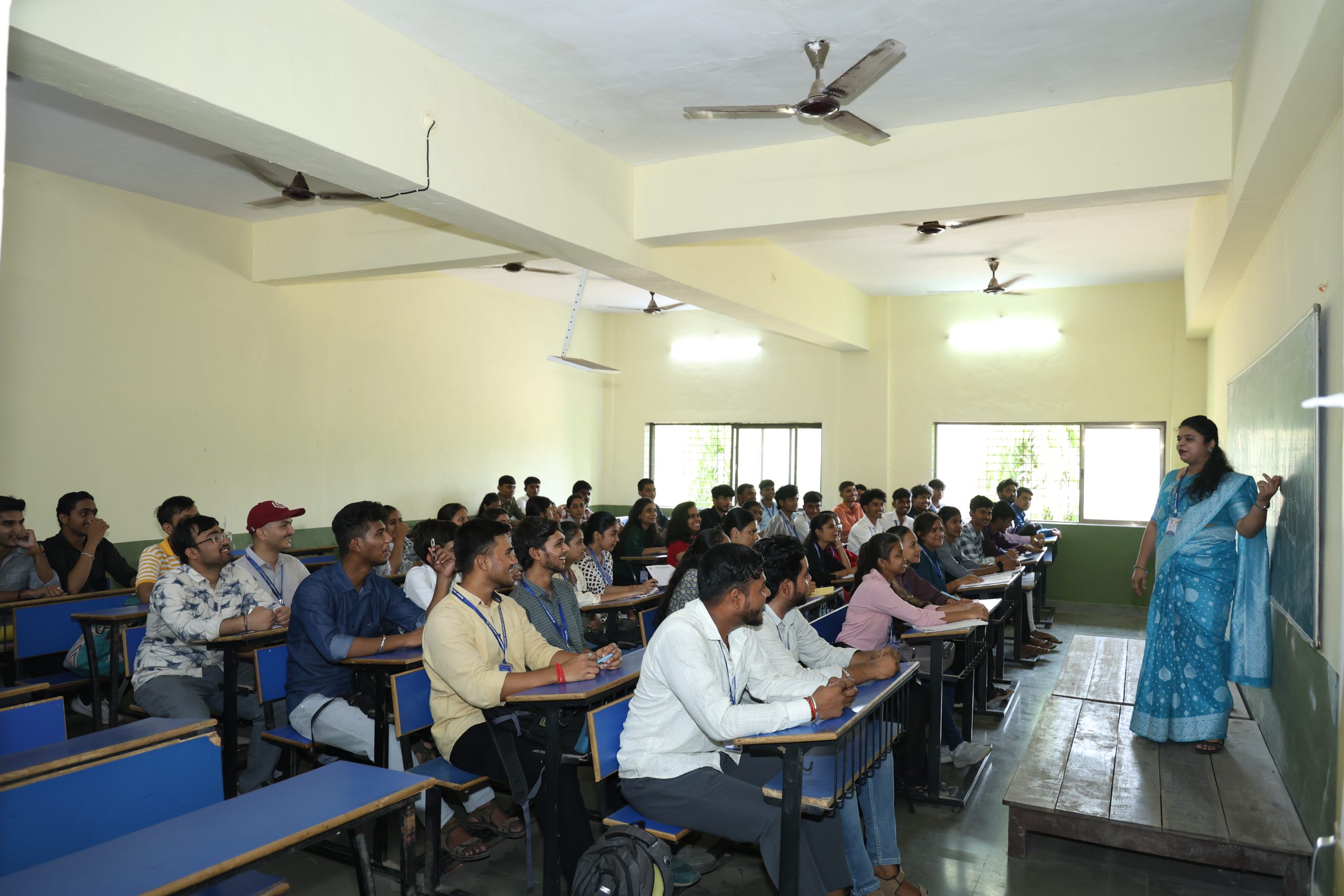
Guided by highly qualified, experienced, and dedicated faculty members, the department serves as a strong academic support system for all engineering disciplines. Beyond foundational sciences, the department emphasizes the broader applications of scientific and analytical concepts across diverse domains including industry, healthcare, management, economics, environmental studies, and technology-driven sectors.
The department actively contributes to the advancement of science, technology, and education through research-oriented initiatives, academic enrichment activities, and extracurricular engagement. Faculty members continuously work towards enhancing teaching methodologies and integrating modern technological practices into the learning environment.
Recognizing the importance of effective communication in today’s global professional landscape, the department also focuses on developing English language proficiency, communication abilities, interpersonal skills, and professional confidence among students. Through this holistic approach, the Department of Science and Humanities aims to nurture technically competent, ethically grounded, and professionally prepared individuals.