Empowering the next generation of technologists through innovative research, practical learning, and strong industry collaborations.
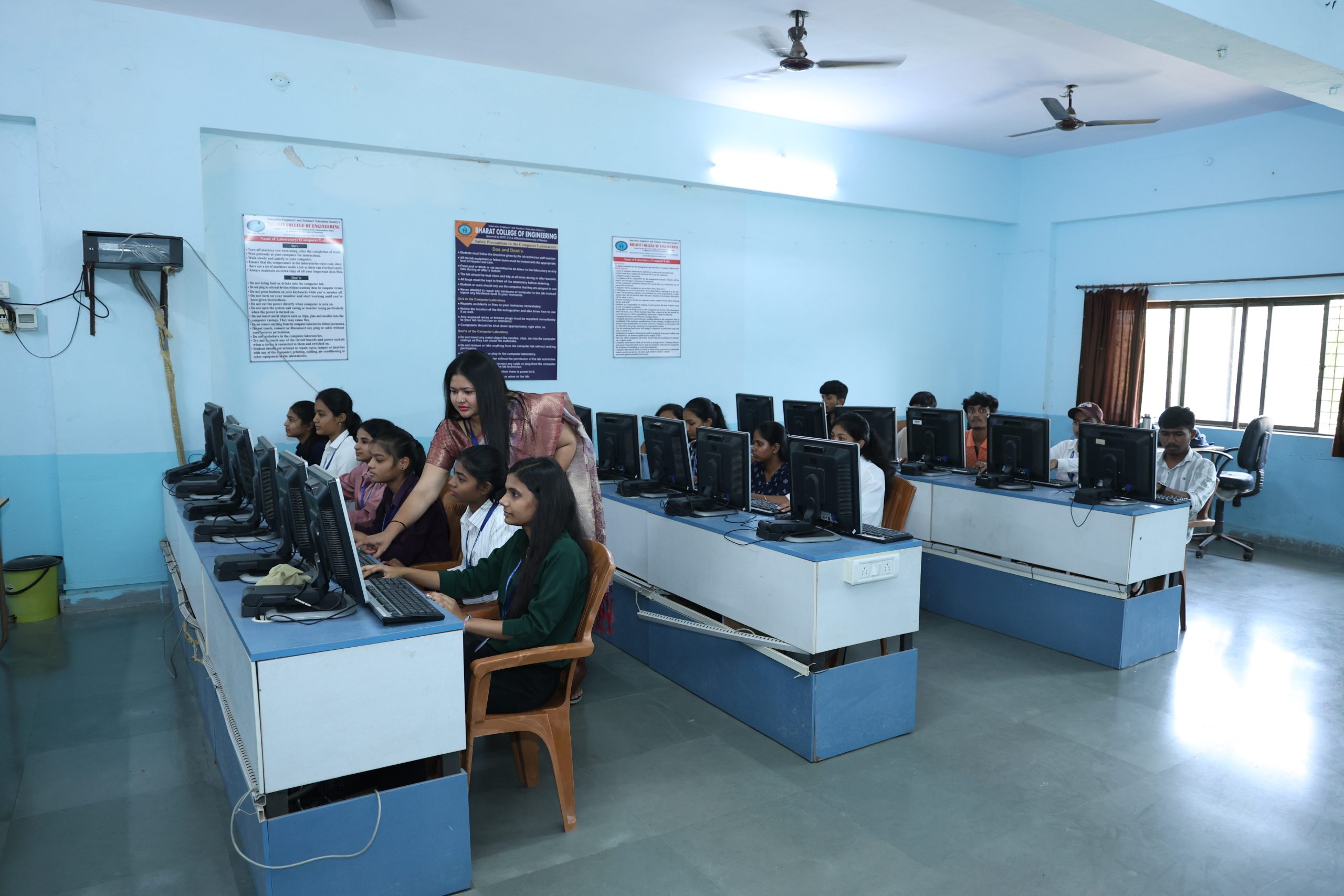
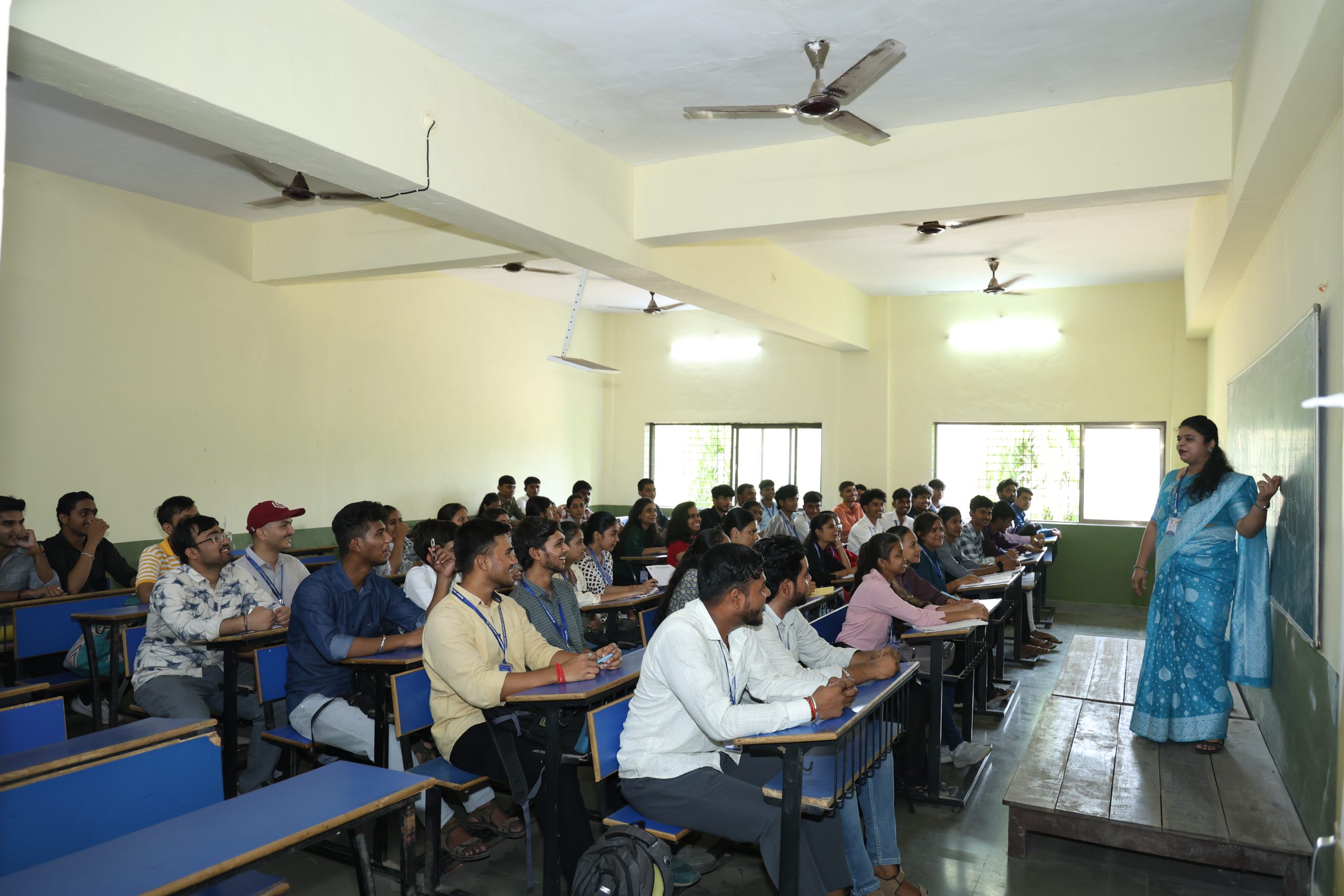
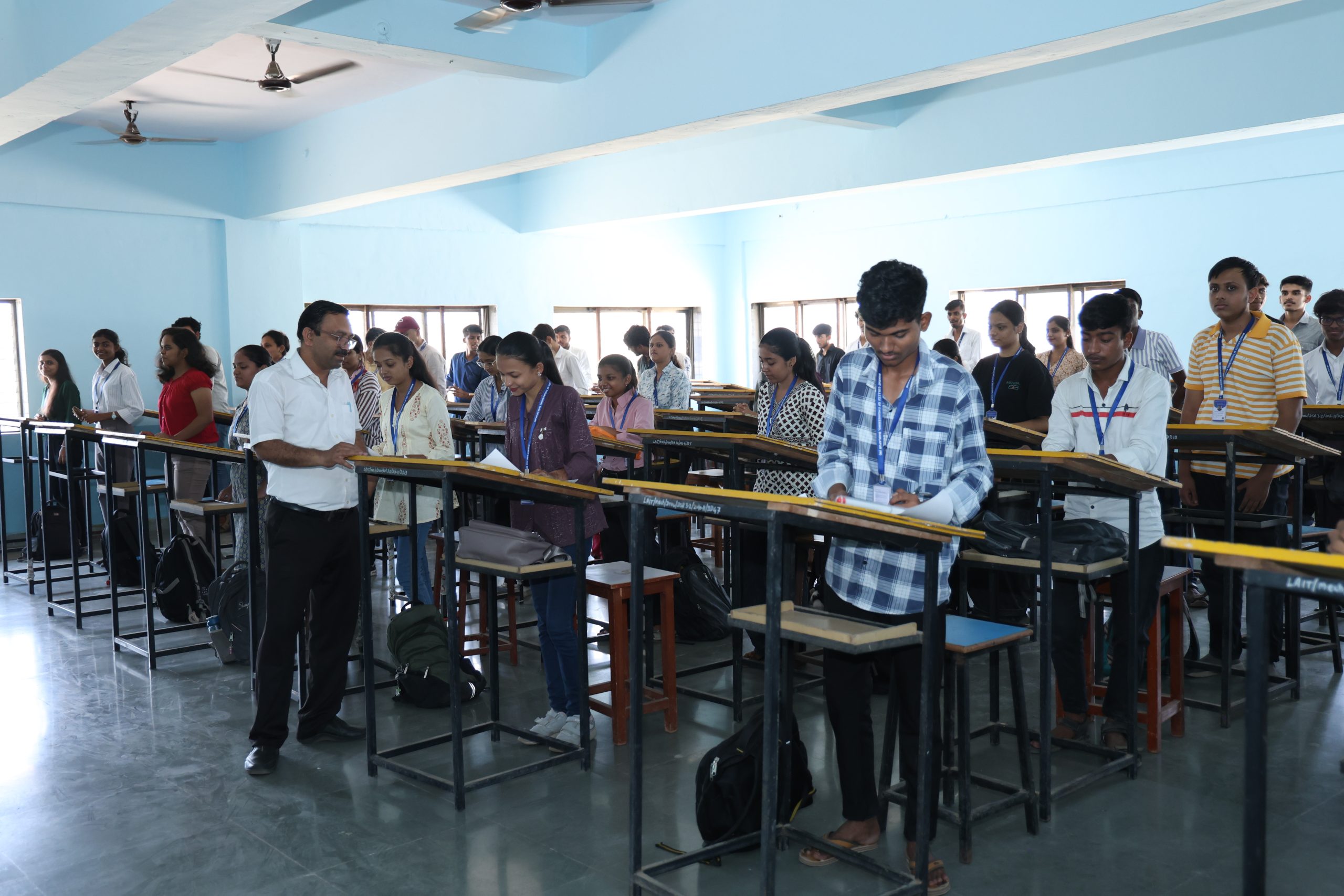
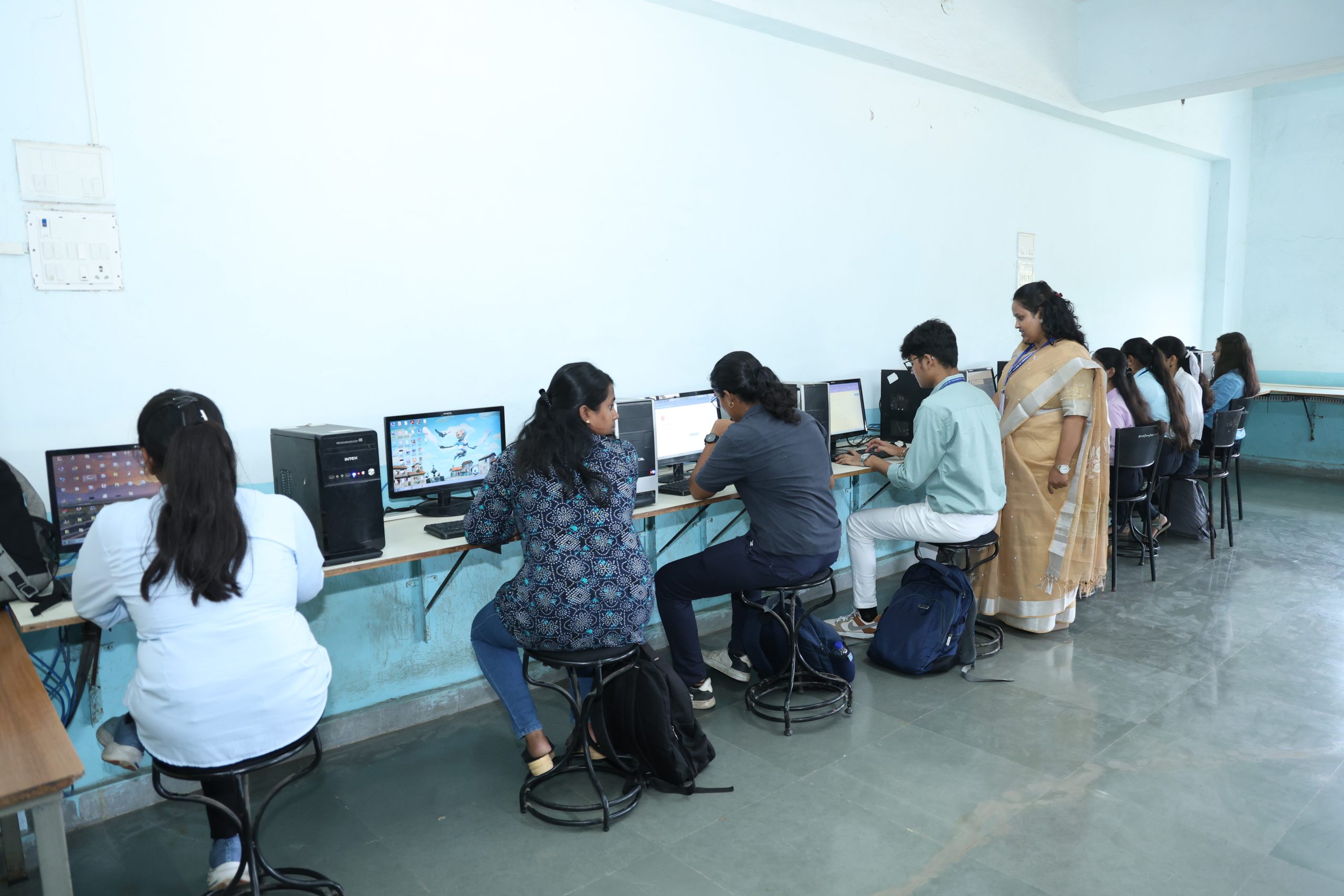
At Bharat College of Engineering, the Computer Engineering program is thoughtfully designed to align with the rapid advancements in technology and the evolving demands of the digital ecosystem. The course provides a strong foundation in core computing principles while integrating essential engineering concepts, ensuring that learners are equipped with both theoretical insight and practical competence.
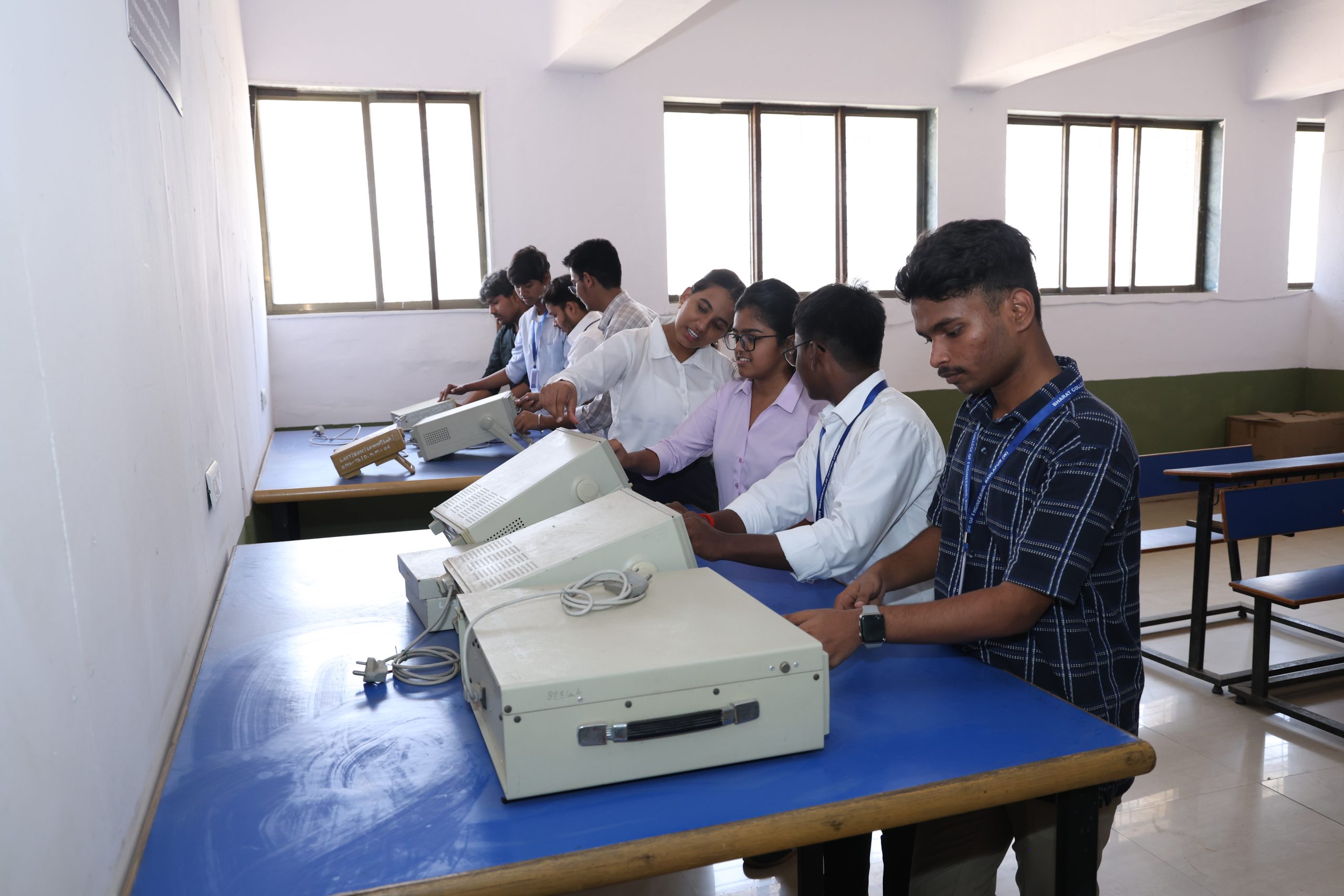
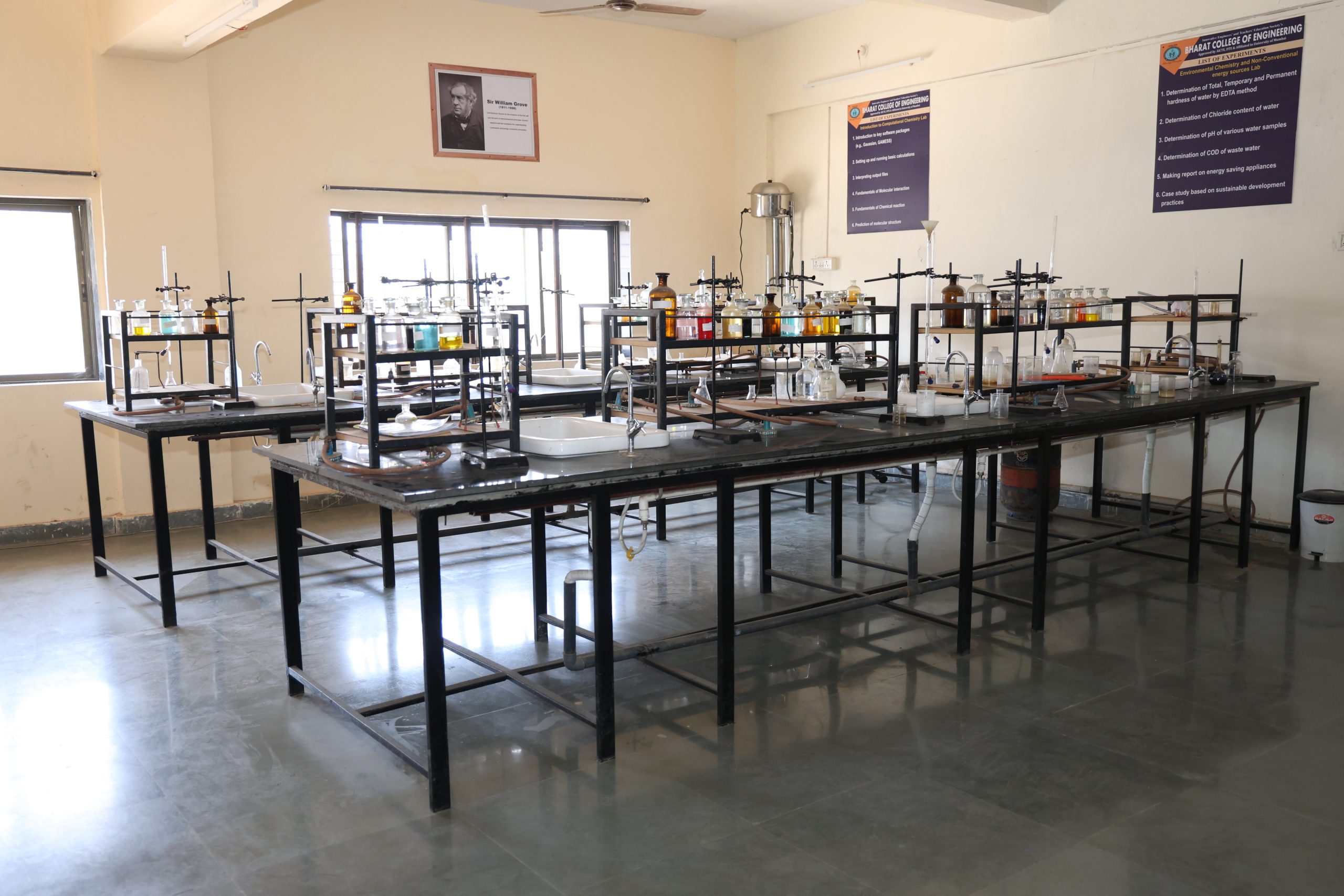
Students gain comprehensive exposure to the design and development of digital hardware and software systems, including modern communication technologies and computing architectures. The curriculum enables learners to engage with diverse areas of computing—from microprocessor design and personal computing systems to advanced computing environments and circuit-level innovation—preparing them to contribute effectively in both industry and research domains.
This structured academic offering reflects the institution’s commitment to nurturing technically proficient and industry-ready professionals capable of adapting to emerging technological landscapes.
To empower students with strong domain knowledge in Computer Engineering, complemented by essential interpersonal skills, enabling them to effectively address evolving industrial and societal needs.
To develop robust technical competencies by fostering a clear understanding of fundamental concepts and their practical relevance. To nurture interpersonal and ethical values, preparing students to contribute meaningfully to society.
Program Outcomes (POs):
| PO | Description |
|---|---|
| PO 1 | Basic and Discipline specific knowledge- Apply knowledge of basic mathematics, science and engineering fundamentals and engineering specialization to solve the engineering problems. |
| PO 2 | Problem analysis: Identify and analyze well-defined engineering problems using codified standard methods. |
| PO 3 | Design/development of solutions- Design solutions for well-defined technical problems and assist with the design of systems components or processes to meet specified needs. |
| PO 4 | Engineering Tools, Experimentation and Testing- Apply modern engineering tools and appropriate technique to conduct standard tests and measurements. |
| PO 5 | Engineering practices for society, sustainability and environment- Apply appropriate technology in context of society, sustainability, environment and ethical practices. |
| PO 6 | Project Management- Use engineering management principles individually, as a team member or a leader to manage projects and effectively communicate about well-defined engineering activities. |
| PO 7 | Life-long learning- Ability to analyse individual needs and engage in updating in the context of technological changes. |
Program Specific Outcomes:
| PSO | Description |
|---|---|
| PSO 1 | Computer Software and Hardware Usage: Use state-of-the-art technologies for operation and application of computer software and hardware. |
| PSO 2 | Computer Engineering Maintenance: Maintain computer engineering related software and hardware systems. |
Program Educational Objectives:
| PEO | Description |
|---|---|
| PEO 1 | Provide socially responsible, environment friendly solutions to Computer engineering related broad-based problems adapting professional ethics. |
| PEO 2 | Adapt state-of-the-art Computer engineering broad-based technologies to work in multi-disciplinary work environments. |
| PEO 3 | Solve broad-based problems individually and as a team member communicating effectively in the world of work. |
© 2025 BCOE. All rights reserved.
Designed and Developed by APASTRON