Empowering the next generation of technologists through innovative research, practical learning, and strong industry collaborations.
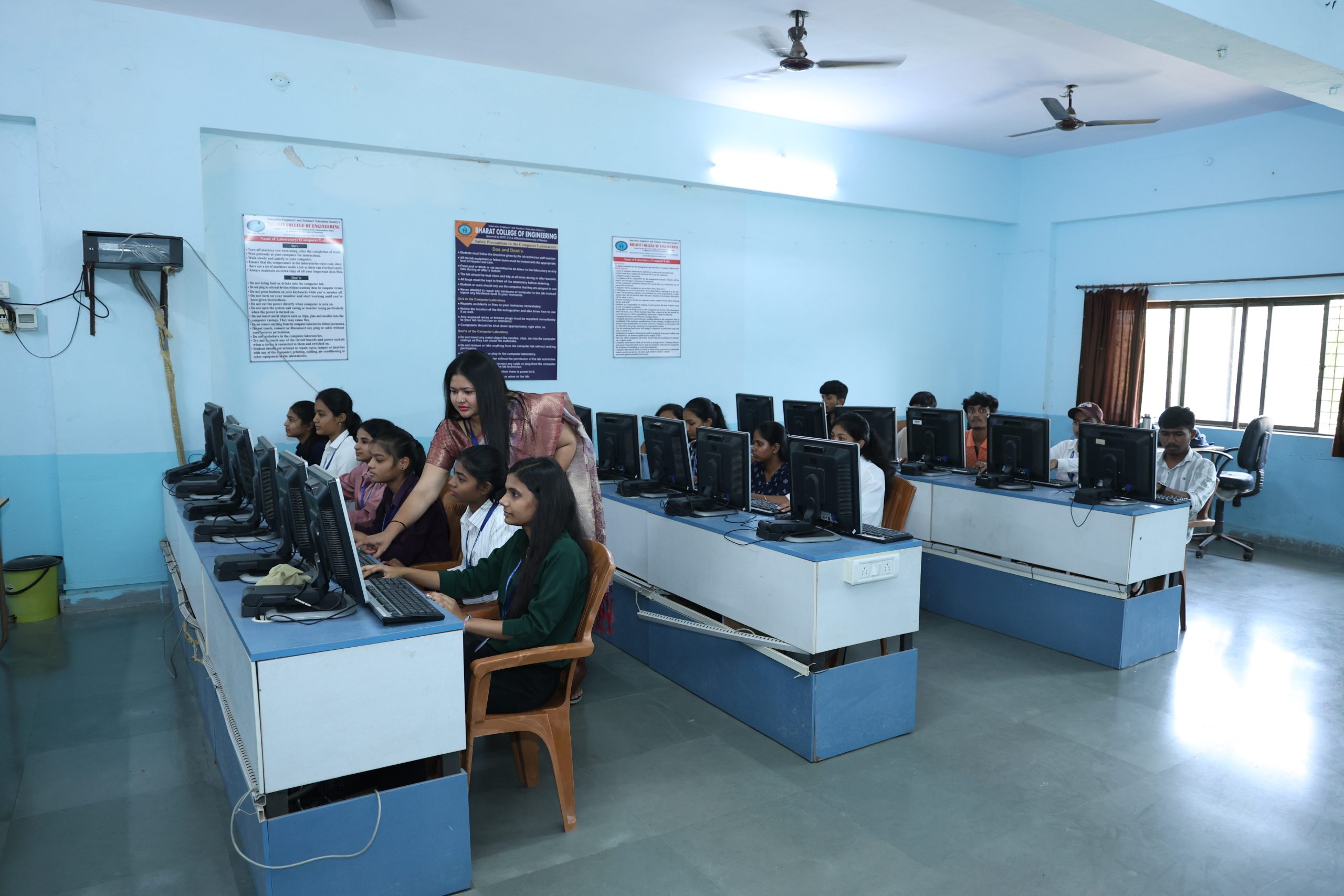
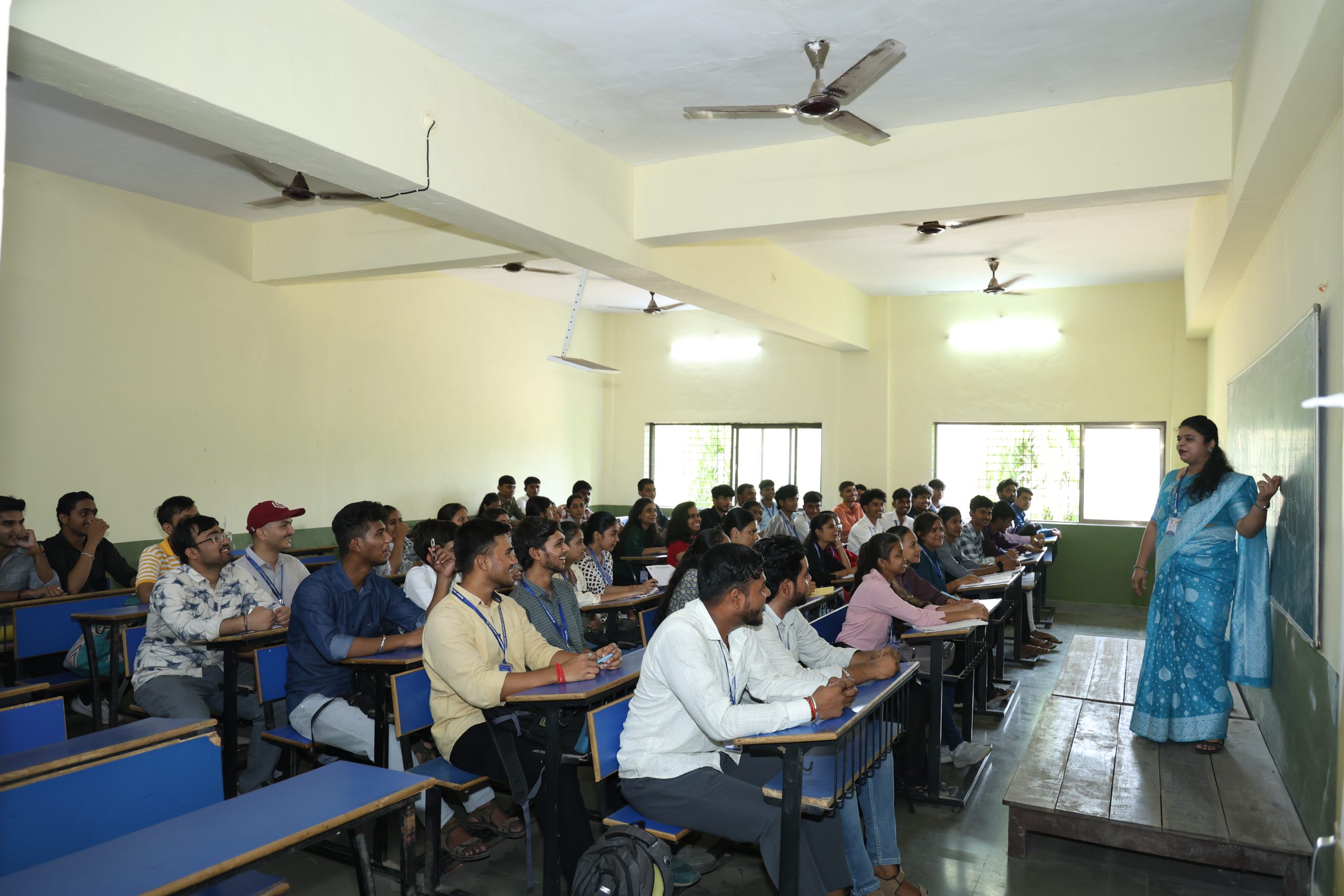
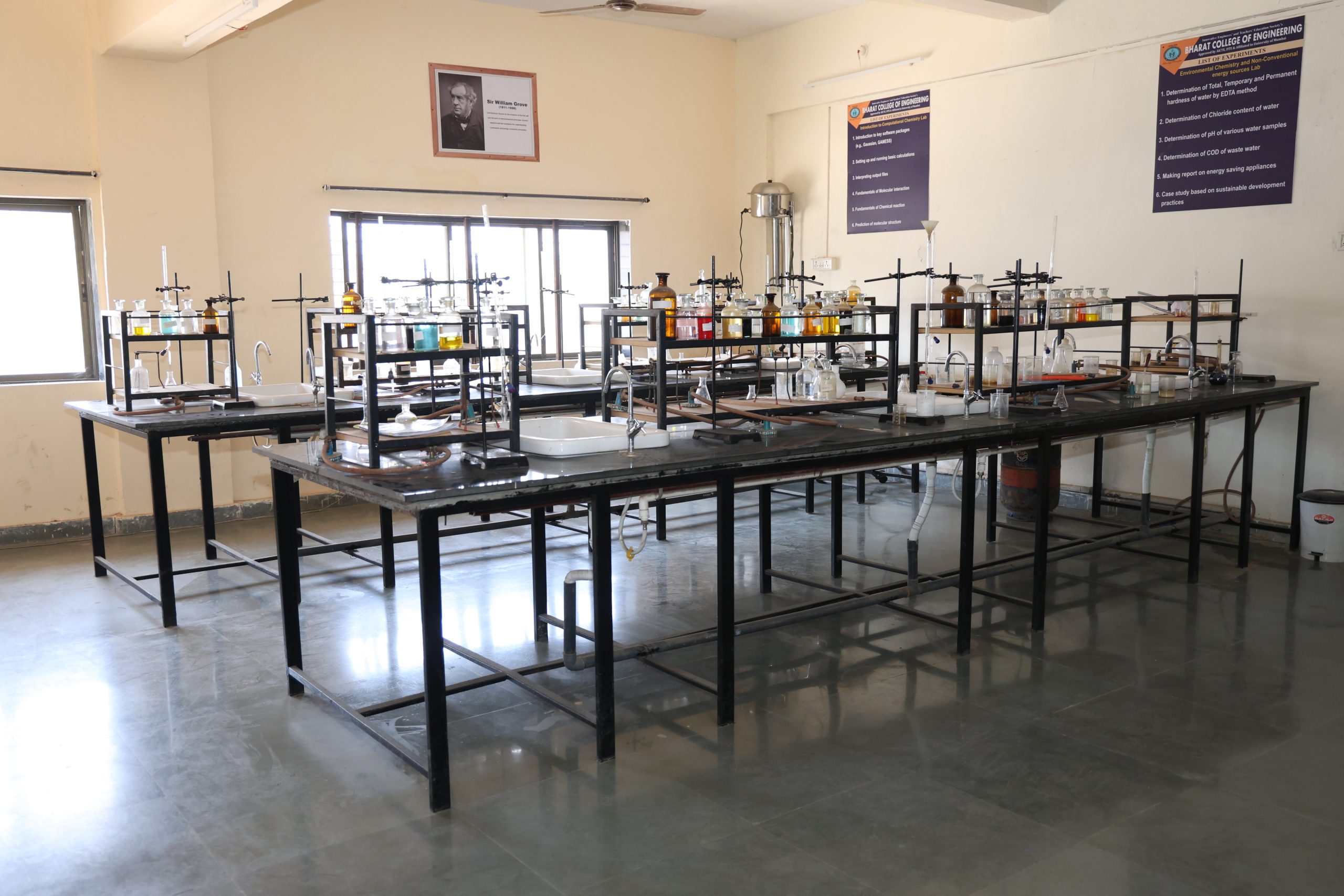
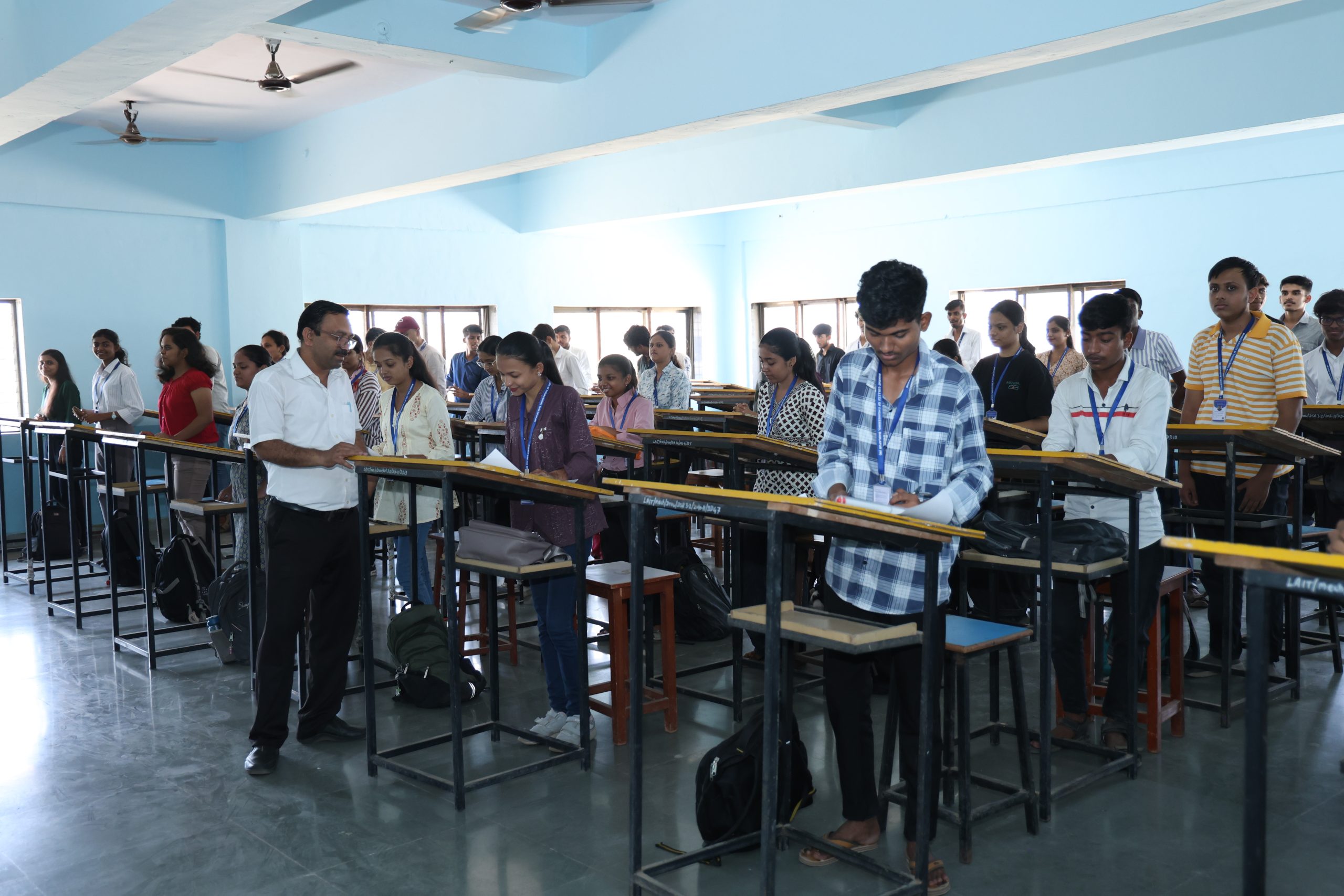
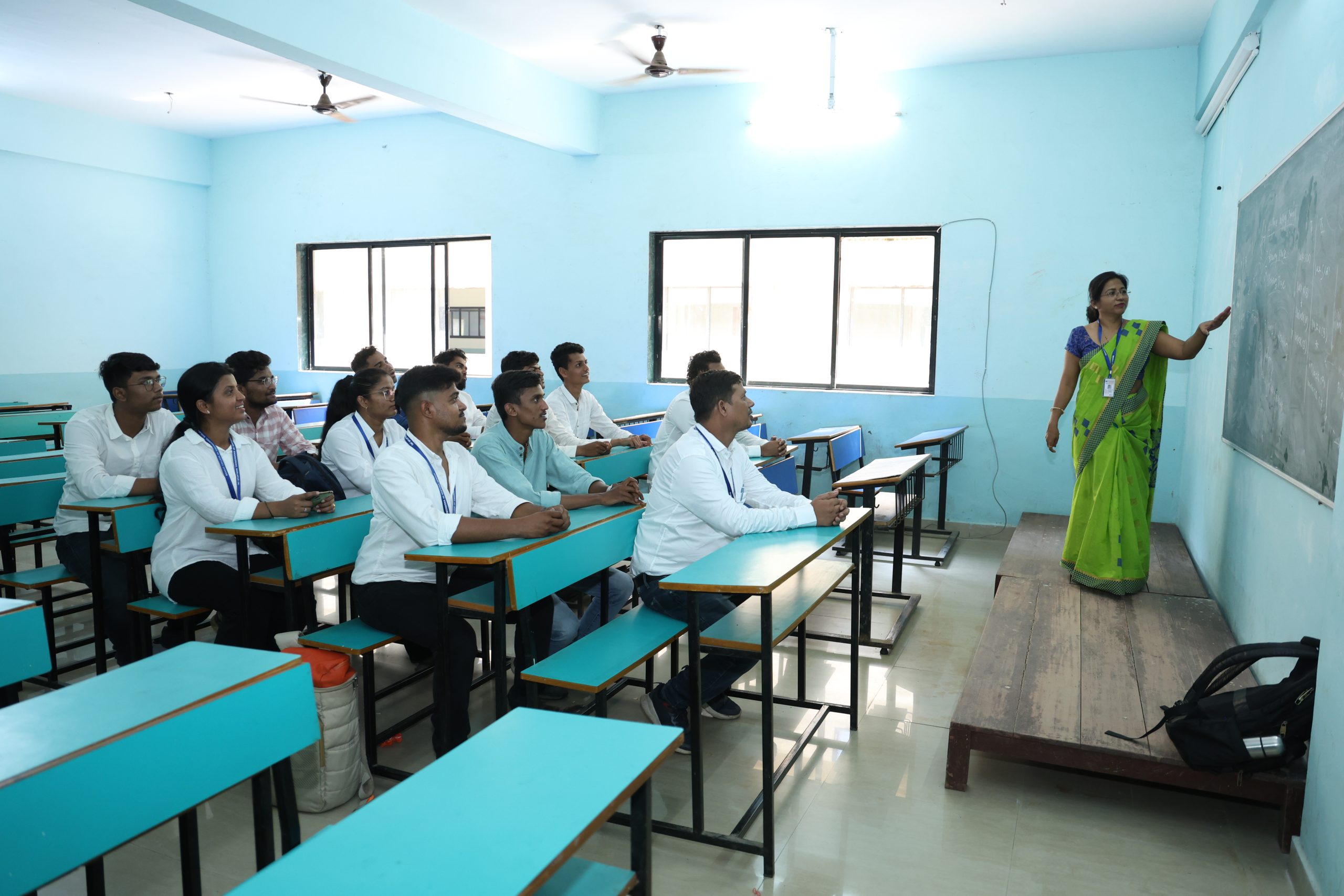
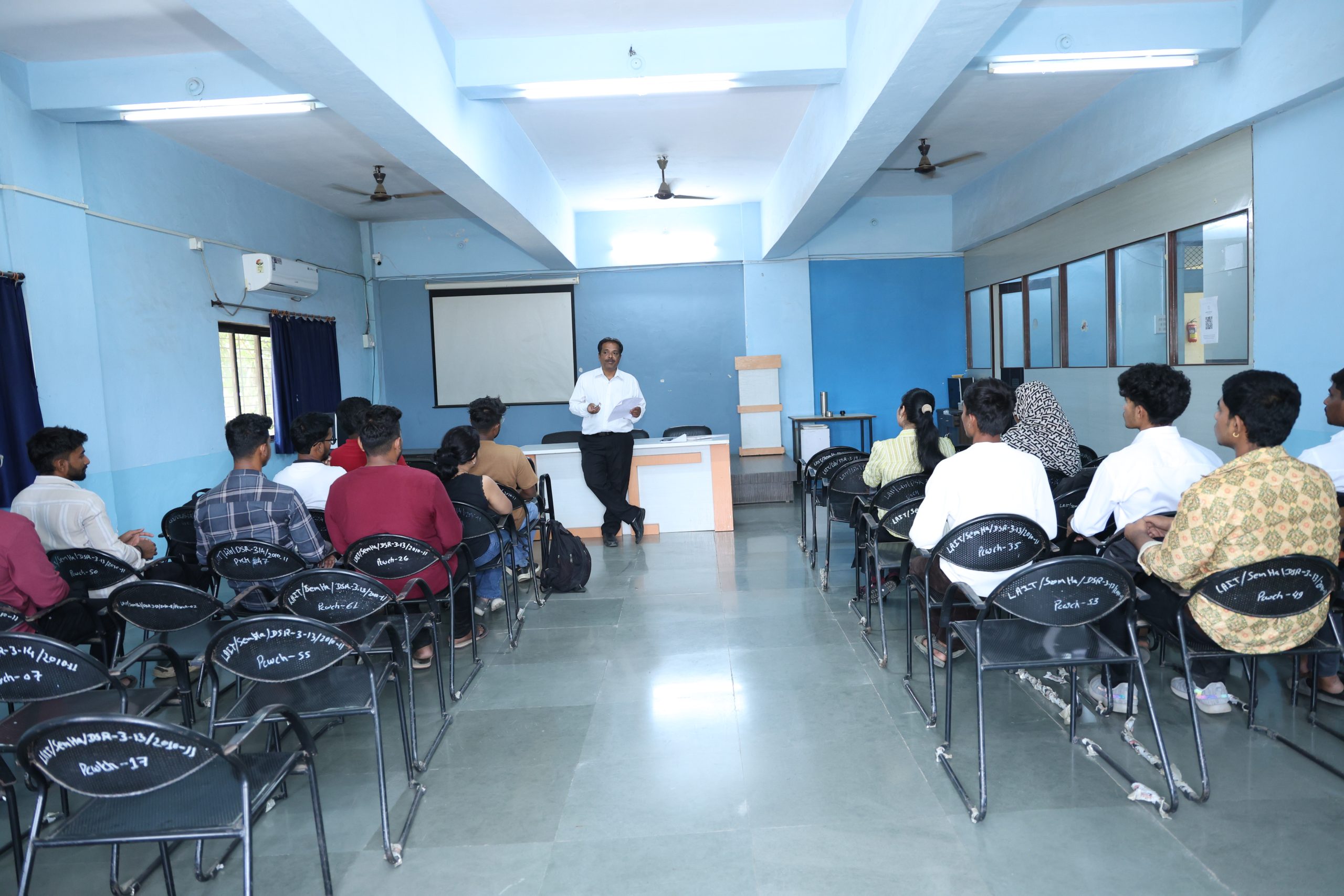
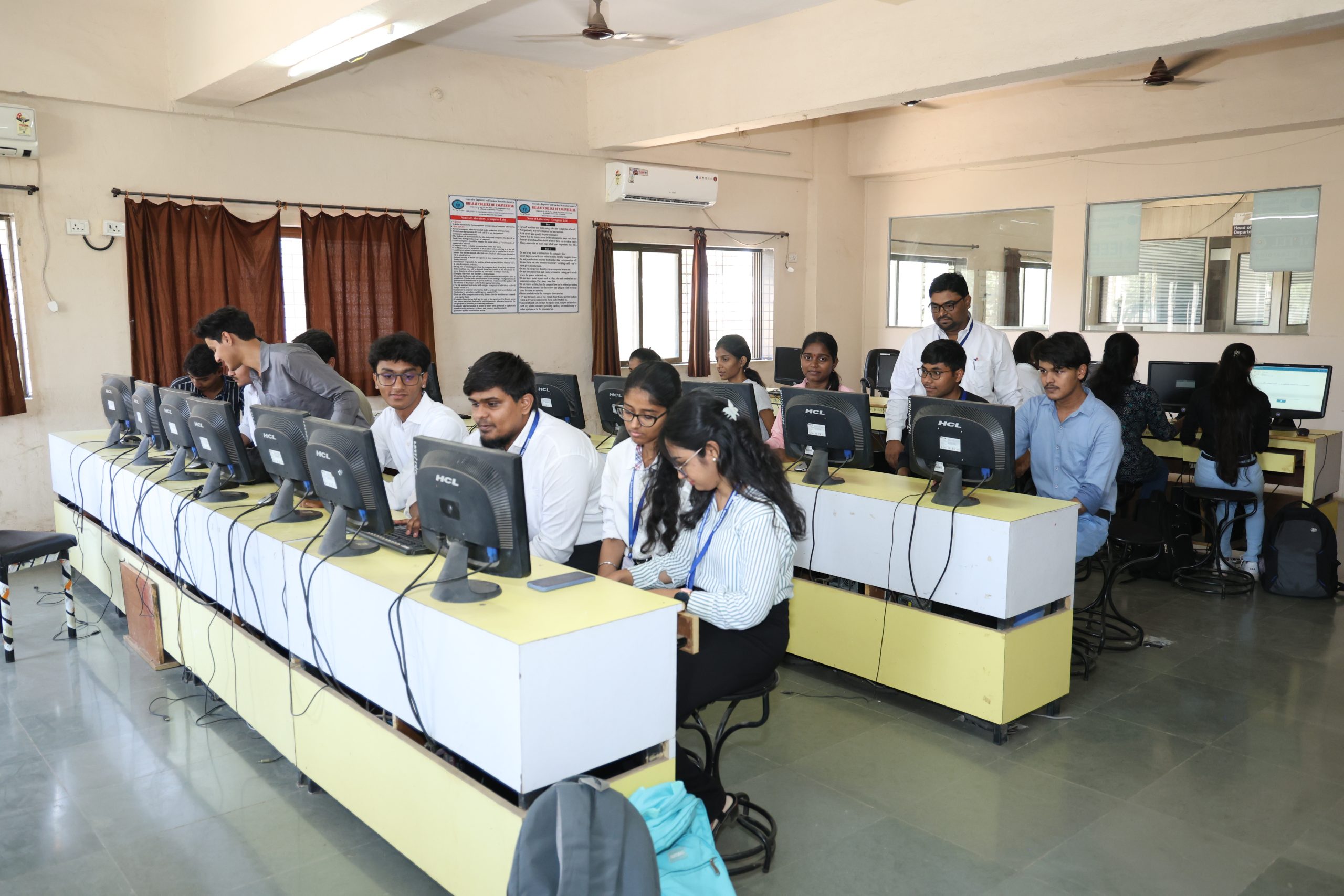
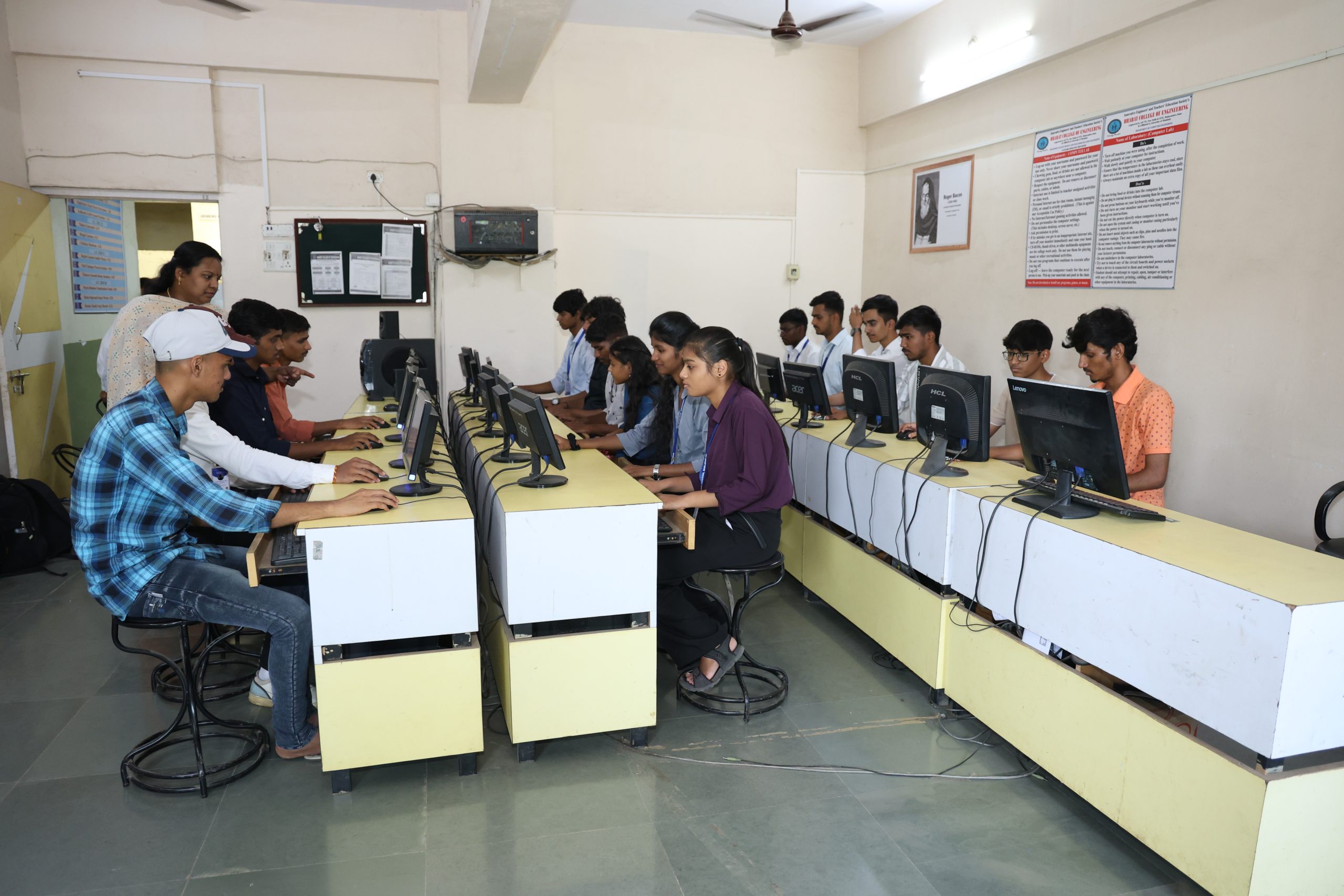
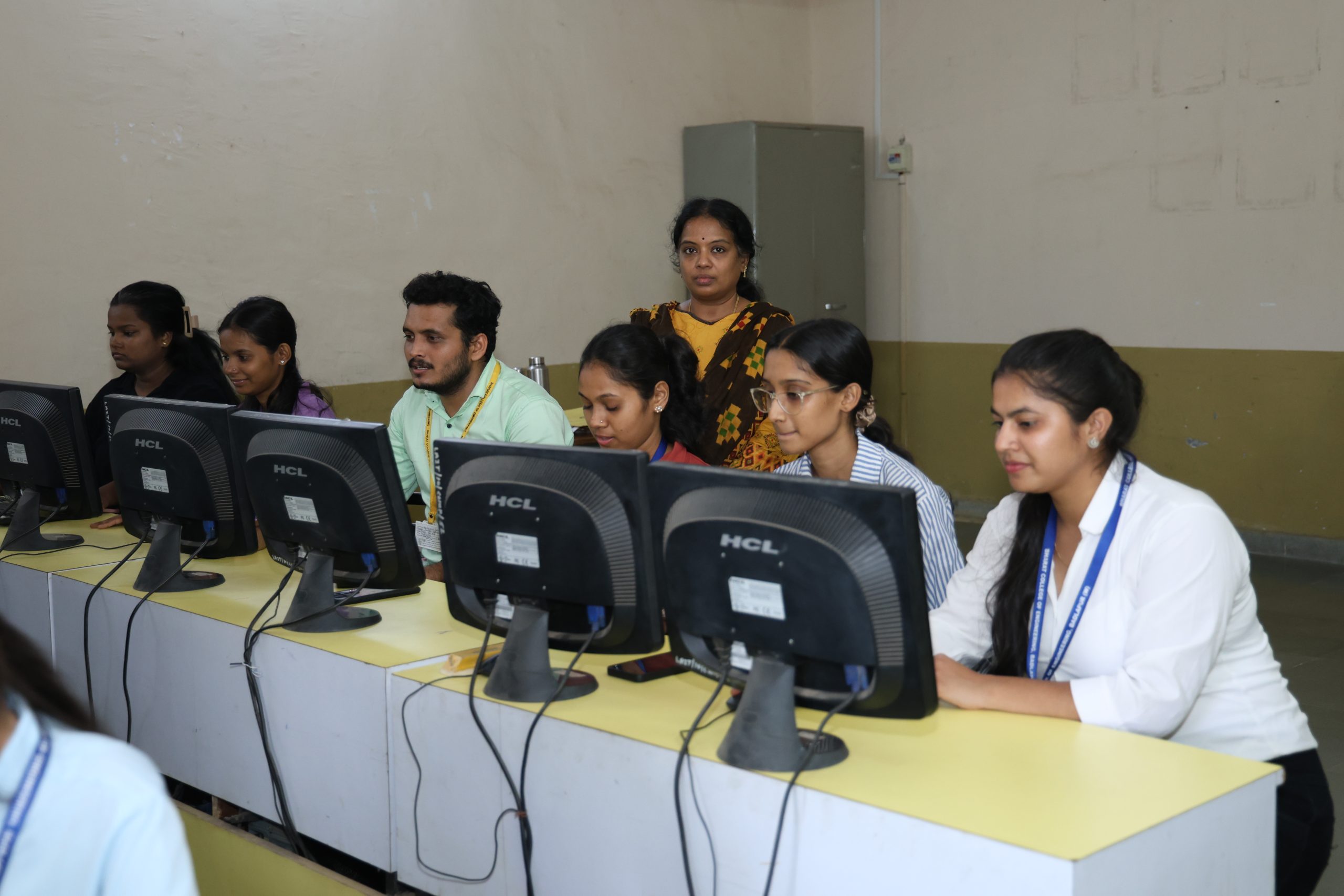
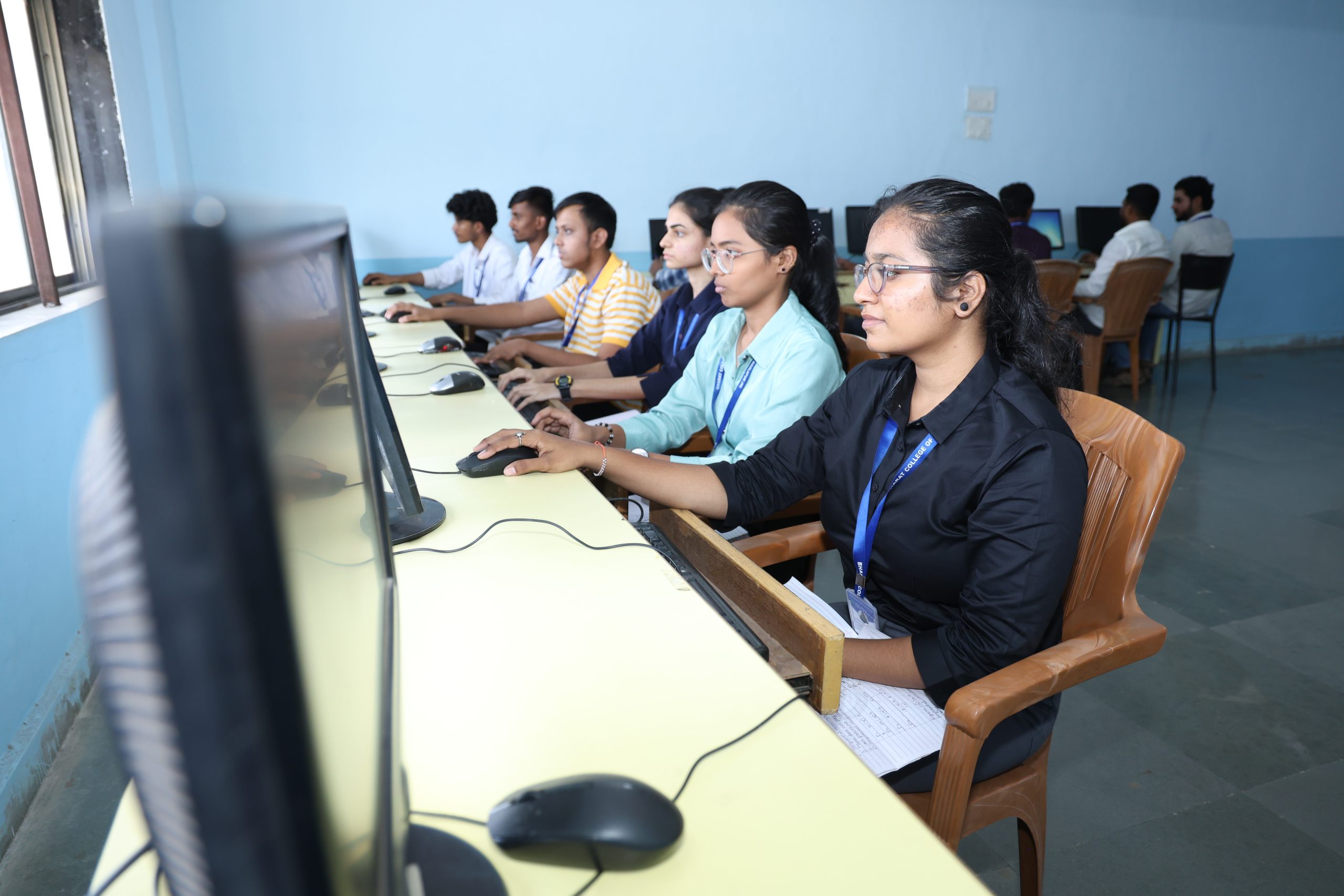
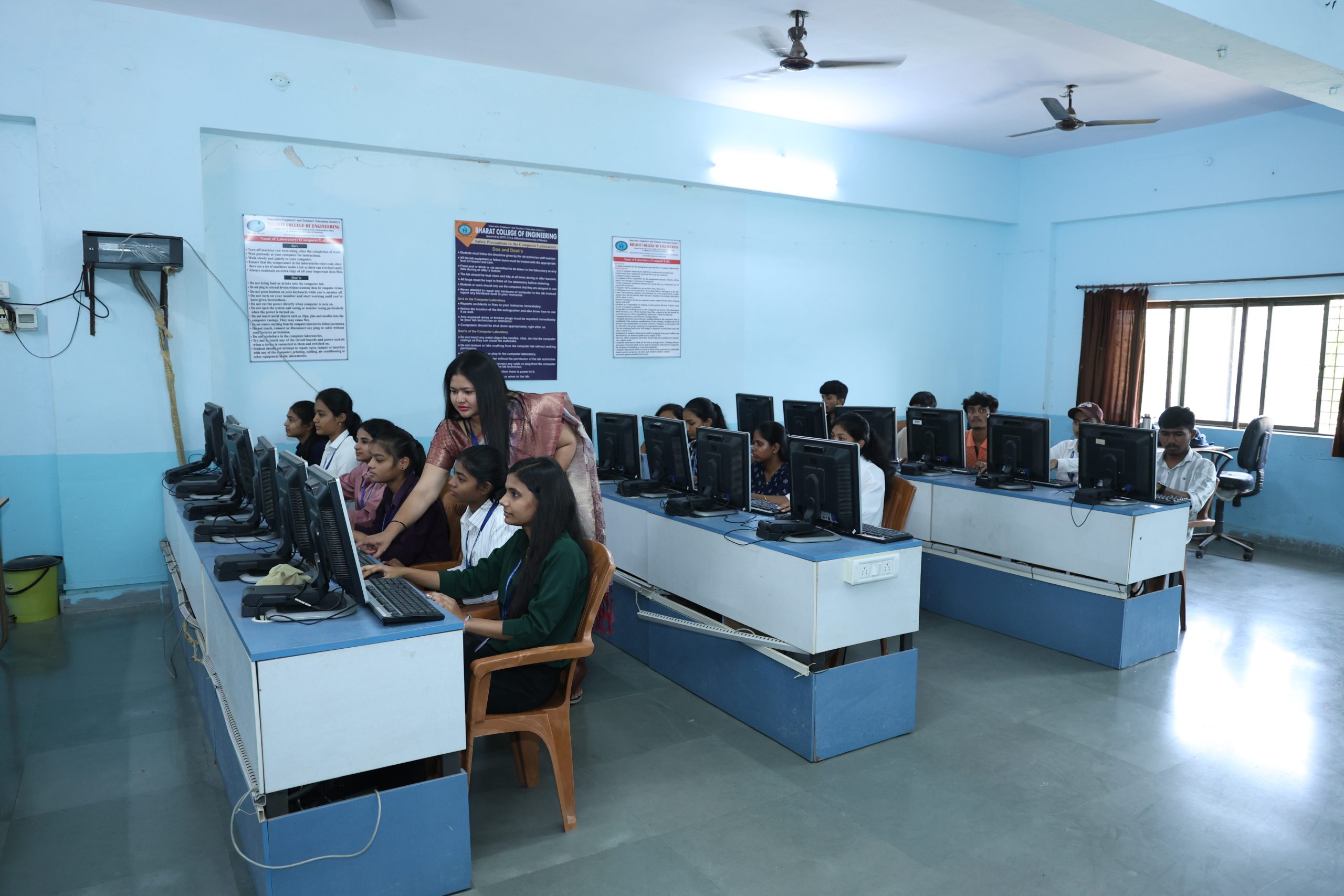
The Department of Computer Science & Engineering – Artificial Intelligence & Machine Learning was established in the academic year 2020–21. It is approved by AICTE–New Delhi and affiliated with Mumbai University. The department offers a Bachelor of Engineering (B.E.) undergraduate program with an annual intake capacity of 60 students. The curriculum, meticulously developed by experienced faculty members, follows an Outcome-Based Education (OBE) framework and integrates both foundational theories and hands-on technical skills essential to the AI and ML domain.
Students gain interdisciplinary expertise across areas including statistics, computer science, logical reasoning, and data-driven decision-making. Career prospects for graduates span diverse sectors such as healthcare, finance, e-commerce, social media, climatology, biotechnology, and genetics. The curriculum also covers essential AI fundamentals like state-space representation, search algorithms, and machine learning techniques, while encouraging ethical considerations in the application of AI and data science. Emphasis is placed on practical exposure, innovative thinking, and problem-solving capabilities, preparing students for a seamless transition from academic settings to professional environments.
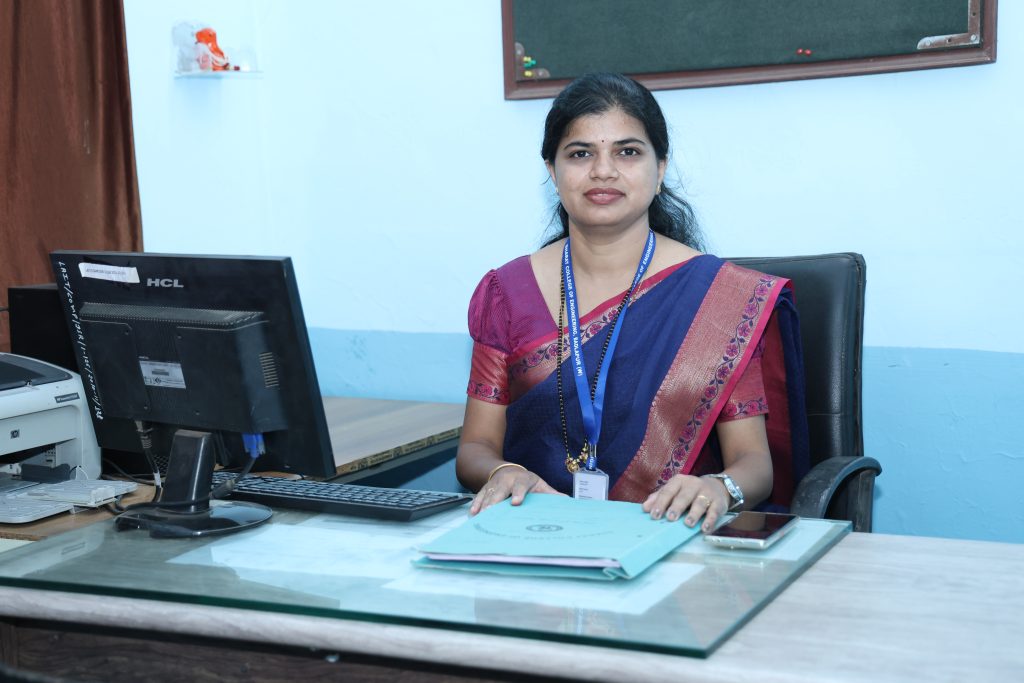
Head of the CSE (AI &ML) Engineering Department
"Welcome to the Department of Artificial Intelligence ...."
Head of the CSE (AI &ML) Engineering Department
To nurture students with sound engineering knowledge through the effective use of modern tools with a focus on local and global employability as an AI & ML professional by imbibing leadership qualities, ethical attitude, lifelong and social sensitivity.
To foster technical excellence by imparting strong foundational knowledge in Artificial Intelligence, Data Mining, and Data Modelling, complemented by advanced learning in Machine Learning and Big Data Analytics, preparing students to innovate, lead, and excel in industry and research.
PROGRAM OUTCOMES (PO’s):
| Sr.No | PO Code | Program Outcomes |
|---|---|---|
| 1 | PO.1 | Engineering knowledge: Apply the knowledge of mathematics, science, engineering fundamentals, and an engineering specialization to the solution of complex engineering problems. |
| 2 | PO.2 | Problem analysis: Identify, formulate, review research literature, and analyze complex engineering problems reaching substantiated conclusions using first principles of mathematics, natural sciences, and engineering sciences. |
| 3 | PO.3 | Design/development of solutions: Design solutions for complex engineering problems and design system components or processes that meet the specified needs with appropriate consideration for the public health and safety, and the cultural, societal, and environmental considerations. |
| 4 | PO.4 | Conduct investigations of complex problems: Use research-based knowledge and research methods including design of experiments, analysis and interpretation of data, and synthesis of the information to provide valid conclusions. |
| 5 | PO.5 | Modern tool usage: Create, select, and apply appropriate techniques, resources, and modern engineering and IT tools including prediction and modeling to complex engineering activities with an understanding of the limitations. |
| 6 | PO.6 | The engineer and society: Apply reasoning informed by the contextual knowledge to assess societal, health, safety, legal and cultural issues and the consequent responsibilities relevant to the professional engineering practice. |
| 7 | PO.7 | Environment and sustainability: Understand the impact of the professional engineering solutions in societal and environmental contexts, and demonstrate the knowledge of, and need for sustainable development. |
| 8 | PO.8 | Ethics: Apply ethical principles and commit to professional ethics and responsibilities and norms of the engineering practice. |
| 9 | PO.9 | Individual and team work: Function effectively as an individual, and as a member or leader in diverse teams, and in multidisciplinary settings. |
| 10 | PO.10 | Communication: Communicate effectively on complex engineering activities with the engineering community and with society at large, such as, being able to comprehend and write effective reports and design documentation, make effective presentations, and give and receive clear instructions. |
| 11 | PO.11 | Project management and finance: Demonstrate knowledge and understanding of the engineering and management principles and apply these to one’s own work, as a member and leader in a team, to manage projects and in multidisciplinary environments. |
| 12 | PO.12 | Life-long learning: Recognize the need for, and have the preparation and ability to engage in independent and life-long learning in the broadest context of technological change. |
PROGRAM SPECIFIC OUTCOMES (PSO’s):
| Sr.No | PSO Code | Program Specific Outcomes |
|---|---|---|
| 1 | PSO.1 | Ability to identify interdisciplinary problems related to various sectors in order to evolve novel and sustainable solutions by using research techniques and concepts of Internet Of Thing. |
| 2 | PSO.2 | Ability to apply practices of artificial intelligence and machine learning by appropriate selection of tools and technologies for different use cases to build new-age products and services for society. |
PROGRAM EDUCATIONAL OBJECTIVES (PEO’s):
| Sr.No | PEO Code | Program Educational Objectives |
|---|---|---|
| 1 | PEO.1 | Graduates would be proficient with strong fundamentals in engineering, science, and technology to establish a successful career path in their life. |
| 2 | PEO.2 | Graduate would be knowledge to plan, analyze, design, develop and test AI and ML based solutions for real world problems. |
| 3 | PEO.3 | Graduates would be able to apply best practices in project building and exhibit leadership qualities with strong personality. |
| 4 | PEO.4 | Graduates would possess the capability to become an entrepreneur or to pursue higher studies. |
| 5 | PEO.5 | Graduates would adhere to professional ethics and become socially responsible humans. |
© 2025 BCOE. All rights reserved.
Designed and Developed by APASTRON